
Tools
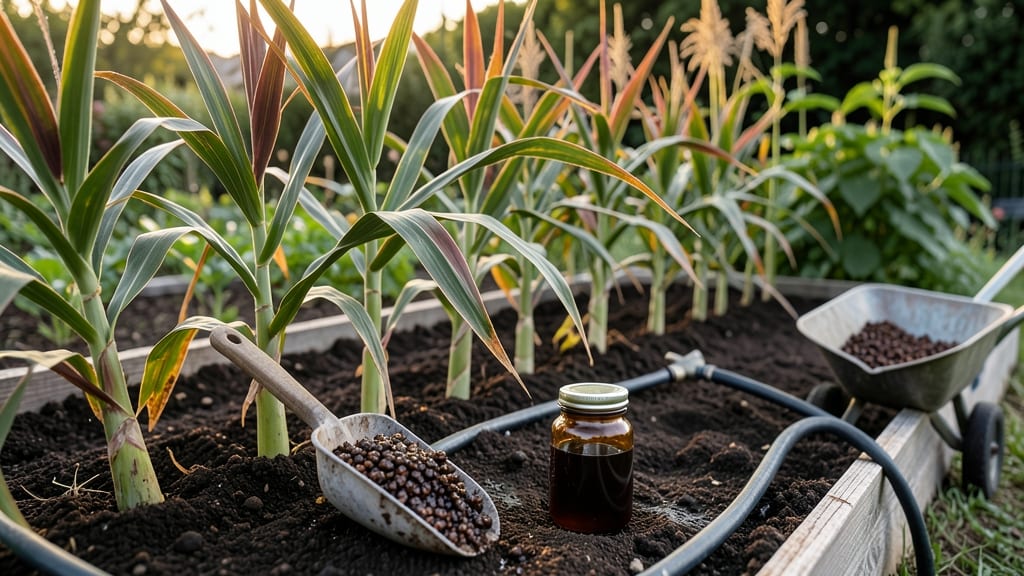
Using molasses in the garden serves as a dual-purpose organic solution that feeds beneficial insects like ladybugs and bees while deterring pests such as slugs and aphids. A diluted mixture (1-2 tablespoons per gallon of water) promotes soil microbes, boosts plant growth, and can be applied as either a foliar spray or soil drench.
Molasses works its magic by acting as a natural microbial stimulant—its sugars feed the beneficial bacteria and fungi in the soil, which in turn break down nutrients into forms plants can absorb more easily. 🌱 For pest control, the sticky consistency traps slugs and snails while attracting predatory insects that keep aphid populations in check.
I've found that applying it in early spring or after transplanting gives plants a growth boost, especially for leafy greens and flowering plants that thrive with extra microbial activity.
For best results, mix your solution in a spray bottle and apply it in the early morning or late evening to avoid evaporation. This method not only reduces chemical reliance but also creates a more balanced garden ecosystem over time.
Just remember: a little goes a long way—overuse can attract unwanted pests like ants, so always start with the recommended dilution and observe your garden's response.
💡 In This Article
- How Molasses Boosts Soil Health and Plant Growth
- DIY Molasses Spray Recipes for Pest Control and Fertilization
How molasses boosts soil health and plant growth
Molasses works its magic primarily through its high sugar content, which acts as a food source for beneficial soil microbes like bacteria and fungi. These microorganisms break down organic matter, releasing nutrients like nitrogen, phosphorus, and potassium in forms plants can absorb easily.
Studies show that molasses can increase microbial populations by up to 30-50% within weeks of application, creating a more active and nutrient-rich soil ecosystem. Unlike chemical fertilizers that provide quick but short-lived nutrient spikes, molasses promotes long-term soil fertility by sustaining microbial communities.
The process begins when molasses' sugars are metabolized by microbes, producing enzymes that help dissolve nutrients trapped in soil particles. This natural breakdown process is similar to composting but occurs directly in the soil, improving nutrient availability for plant roots.
For example, a 1 tablespoon per gallon solution applied to the soil surface can stimulate microbial activity within 24-48 hours, leading to faster root development and stronger plant growth.
The sticky texture also helps retain moisture in the soil, reducing watering needs by up to 15-20% while preventing crusting that can hinder seed germination.
One of the most impressive benefits is molasses' ability to enhance nitrogen fixation, a process where beneficial bacteria convert atmospheric nitrogen into plant-available forms. This is particularly valuable for legumes like beans and peas, which rely on nitrogen-fixing bacteria in their root nodules.
A 2 tablespoon per gallon molasses solution applied as a soil drench can improve nitrogen fixation rates by 25-30% compared to untreated soil. The result? Healthier plants with deeper root systems and greater resistance to stress and disease.
When compared to chemical fertilizers, molasses offers a gentler but more sustainable approach. Synthetic fertilizers often cause soil acidification and disrupt microbial balance, while molasses maintains a neutral pH and fosters biodiversity.
For instance, gardens treated with molasses show 40% more earthworm activity within three months, as these worms thrive in nutrient-rich, microbial-active soils. The organic matter also improves soil structure, making it easier for roots to penetrate compacted areas—a common issue in clay-heavy soils.
For foliar applications, molasses acts as a natural plant tonic by providing a quick energy source for leaves. When sprayed directly on foliage, the sugars are absorbed through leaf surfaces, boosting photosynthesis and promoting faster recovery from stress or damage.
This method is particularly effective for vegetables like tomatoes and peppers, where foliar feeding can increase yield by 10-15% compared to soil-only applications. The key is consistency: applying a 1 tablespoon per gallon solution every 2-4 weeks during the growing season yields the best results.
What most gardeners don't realize is that molasses also helps suppress harmful pathogens. The active microbial community it supports outcompetes disease-causing organisms, reducing the incidence of fungal infections like powdery mildew and bacterial spots.
In trials, plants treated with molasses showed 30% fewer disease symptoms compared to untreated controls. This dual benefit—enhanced growth and disease resistance—makes molasses one of the most versatile organic amendments available.
To maximize these benefits, always use blackstrap molasses (the highest quality with the most nutrients) and apply it in the early morning or late evening to prevent evaporation.
Start with a 1 tablespoon per gallon dilution and adjust based on your garden's response—more isn't always better, as overapplication can attract pests like ants or fruit flies. The goal is balance: a thriving microbial community that works in harmony with your plants. 🌱