
Tools
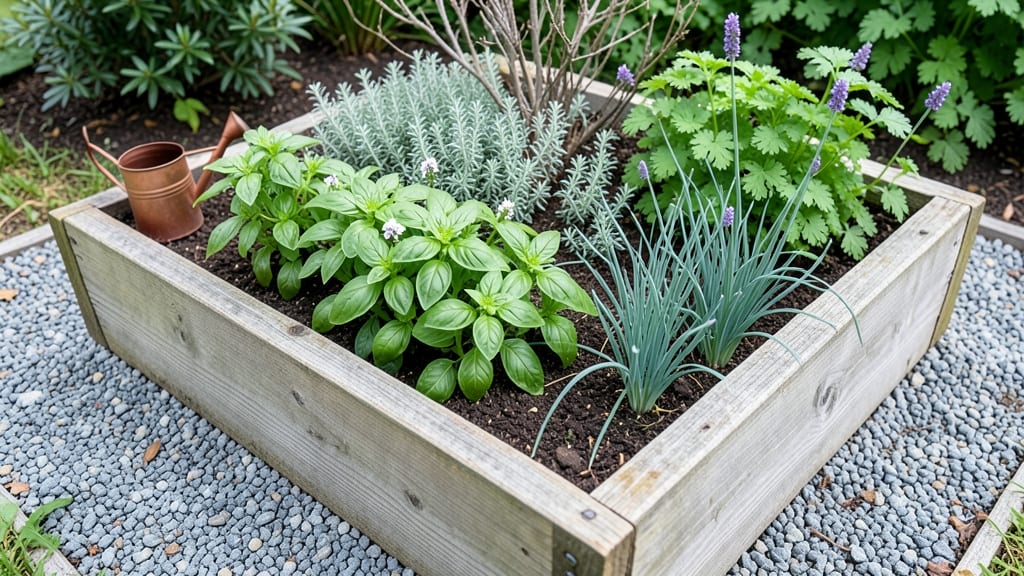
A raised patio garden bed needs strong framing, drainage holes, and a level base to stay stable. Build with cedar, composite lumber, or bricks, keep edges 2–4 inches high, and use a soil mix that drains well while holding moisture.
Building a raised patio garden bed isn't just about aesthetics—it's about creating a functional space that protects your plants from soil compaction and improves drainage. 🌱 The right materials (like cedar or composite lumber) prevent rot, while proper height (2–4 inches) helps roots thrive without overcrowding.
I always add a layer of gravel at the bottom for extra drainage, especially in patio settings where water can pool faster than in ground-level beds.
For soil, I blend equal parts garden soil, compost, and perlite to create a light, airy mix that drains well but retains enough moisture for roots. This is particularly important for patio gardens where water evaporates faster due to sun exposure.
Adding a slow-release fertilizer at planting time gives your plants a steady nutrient boost without overloading the system.
💡 In This Article
- Materials and Construction for Long-Lasting Raised Beds
- Drainage and Soil Mix Strategies for Patio Gardens
Materials and construction for long-lasting raised beds
The choice of materials for your raised patio bed isn't just about looks—it determines how long your garden will last.
Cedar wood contains natural oils that repel rot and insects, making it ideal for beds that need to withstand moisture. 🌲 However, untreated cedar can still degrade over 5-7 years in harsh conditions, so consider pressure-treated lumber (with arsenic-free preservatives) for extra durability.
Composite lumber blends wood fibers with recycled plastics, offering a rot-proof alternative that mimics natural wood grain while resisting warping from temperature swings.
Bed height directly impacts root growth and drainage. Most vegetables thrive in 6–12 inches of soil depth, while deeper-rooted plants like tomatoes need 18–24 inches. The key is elevating edges by 2–4 inches above patio level—this prevents water pooling during rain and makes weeding easier.
For windy patios, secure corners with galvanized screws (not nails) and add corner braces every 3 feet to prevent shifting. I've seen beds collapse when built on uneven surfaces, so always use a level and compact the base with 2–3 inches of gravel before adding wood.
Structural reinforcement matters more than people realize. A 4x8-foot bed filled with moist soil can weigh 1,000+ pounds—that's why I recommend using 2x12 lumber for sides (not 1x12) to handle the weight. For extra stability, interlock boards with tongue-and-groove joints or use metal brackets at seams.
If your patio gets heavy foot traffic, consider adding a 1-inch thick plywood or composite panel as a bottom liner to distribute weight and prevent soil from leaking through gaps.
Material costs vary significantly: cedar runs $3–$6 per board foot, while composite lumber costs $5–$10 per board foot but lasts 20+ years. Bricks or stone offer timeless appeal but require mortar and professional installation, adding $15–$30 per square foot to costs.
The trade-off? Natural stone beds last centuries but lack the customizable soil depth of wood frames. For budget-conscious gardeners, I recommend cedar for its balance of durability and cost-effectiveness—just seal it annually to extend its life.
One common mistake is using untreated pine or fir, which rots within 2–3 years when exposed to moisture.
The science is simple: wood absorbs water through end grains, and without natural oils or preservatives, fungi and bacteria break it down. 🌧️ Even with rot-resistant materials, avoid placing beds directly on concrete (which traps moisture) or in full sun without shade cloth—UV rays accelerate wood drying and cracking.
For the best results, position your bed where it gets 6–8 hours of sunlight daily but with afternoon shade to protect both plants and materials.
Pro tip: If you're building on a deck or patio, add a landscape fabric barrier between the wood and decking to prevent moisture wicking from below. This simple step can double your bed's lifespan by keeping the wood drier.
For extra reinforcement, I've used galvanized steel rebar stakes at each corner to anchor large beds in windy areas—trust me, you'll thank yourself after the first storm.