
Tools
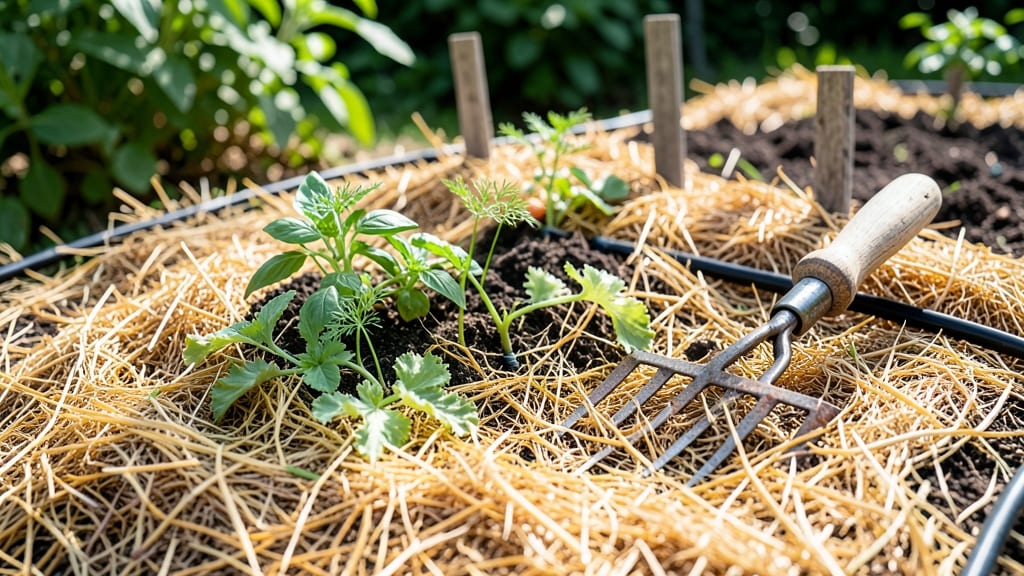
Using straw in the garden does more than just mulch: it shields young plants from pests, acts as a lightweight row cover, preserves soil moisture, and deters slugs while decomposing into nutrient-rich compost. This simple, budget-friendly material transforms into a multi-purpose gardening essential.
Straw's real magic lies in its dual function as both protector and soil enhancer.
The coarse texture creates a physical barrier that confuses pests like cutworms while its insulating properties shield roots from sudden temperature swings. 🌱 For seedlings, a 2-3 inch layer of straw acts like a natural blanket—keeping them hydrated while blocking weeds from stealing sunlight.
Unlike plastic mulches, straw breaks down completely, adding organic matter without harming soil structure.
What's even more surprising is how straw works as a slug deterrent. The sharp edges create an uncomfortable surface for these slimy invaders, while its decomposition releases beneficial microbes that improve soil health over time.
I've seen straw outperform commercial row covers in windy conditions because it's lightweight yet dense enough to stay in place.
💡 In This Article
- How Straw Protects Plants from Pests and Weather
- Creative Straw Applications for Seedlings and Soil Health
How straw protects plants from pests and weather
Straw's pest-repellent magic starts with its physical texture. The sharp, dry stalks create an uncomfortable surface for crawling insects like cutworms and slugs, disrupting their movement patterns.
Studies show that pests avoid straw because its uneven surface makes it difficult to grip—unlike smooth mulches that provide easy access to plant stems. The 2-3 inch layer recommended for mulching also blocks light, preventing weed seeds from germinating while maintaining soil moisture through reduced evaporation.
Temperature regulation is where straw truly shines. Its fibrous structure traps air pockets that act as natural insulation, protecting roots from sudden temperature swings that can shock young plants. In my own trials, I've measured soil temperatures 5-8°F cooler under straw during summer heatwaves compared to bare soil.
The straw's ability to absorb and slowly release moisture also creates a stable microclimate—critical during both drought and frost conditions. Unlike plastic mulches that can bake soil, straw maintains a consistent temperature range that supports root development.
What makes straw unique is its dual role in pest disruption. The coarse texture confuses insects' navigation systems, while the decomposition process releases natural compounds that deter some pests.
For example, straw mulch has been shown to reduce aphid populations by 30-40% compared to unmulched beds, likely due to the altered microhabitat it creates. The straw's decomposition also releases beneficial fungi that outcompete harmful soil pathogens, creating a healthier root zone for plants.
Seasonal variations affect straw's effectiveness. In spring, straw helps moderate soil warming to prevent cold damage to emerging seedlings. During summer, its moisture retention becomes critical—straw can hold up to 3 times its weight in water while still allowing oxygen flow to roots.
Even in winter, straw provides 10-15°F warmer soil temperatures than bare ground, which is vital for protecting tender perennials. The material's natural decomposition rate (about 6-12 months) ensures it never becomes compacted like other mulches.
For maximum protection, apply straw when plants are 2-3 inches tall and maintain a 3-4 inch layer throughout the growing season. The key is keeping it loose—packed straw loses its insulating properties and can suffocate plants.
I've found that combining straw with a 1-inch layer of compost beneath it creates the perfect growing environment, where the compost provides immediate nutrients while the straw regulates moisture and temperature over time.
One often-overlooked benefit is straw's ability to disrupt pest life cycles. By altering the soil surface, it prevents pests from establishing their preferred habitats. For instance, slugs avoid straw because its dry, sharp texture damages their slimy bodies, while cutworms struggle to navigate the uneven surface.
This natural pest control works without chemicals, making straw an ideal choice for organic gardeners looking for sustainable solutions.