
Size
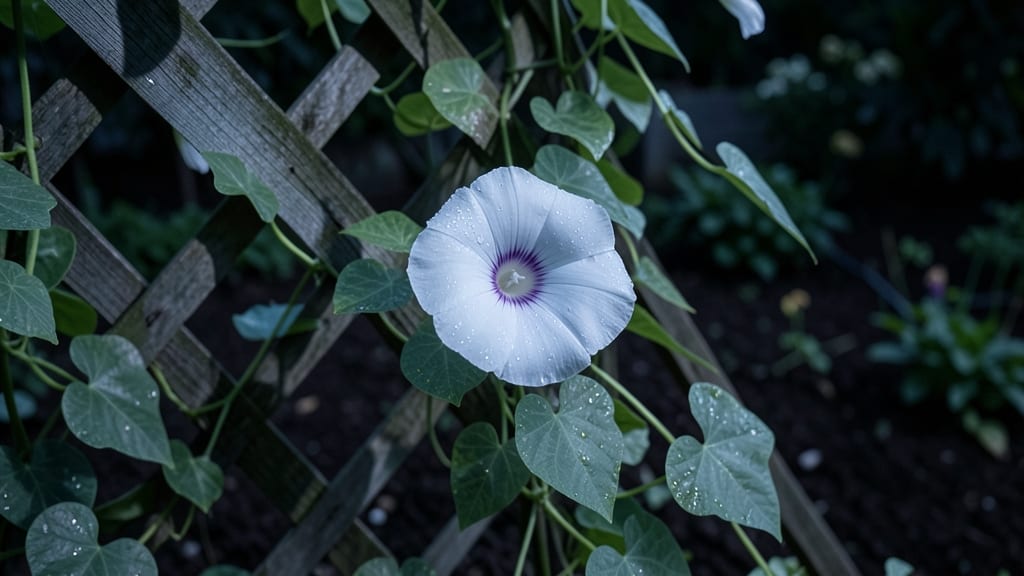
A night owl can grow a garden full of lush, vibrant plants by choosing shade-tolerant varieties that flourish in low-light conditions. Ferns, hostas, and cast iron plants thrive under indirect sunlight or dappled shade, producing stunning foliage and flowers without requiring full sun exposure.
A night owl's garden thrives on plants that adapt beautifully to lower light levels, often found in late afternoon or morning shade. 🌿 These varieties grow more slowly but develop deeper root systems, making them resilient against drought and perfect for evening watering routines.
The key is selecting plants that match your space's natural light patterns—whether it's the filtered light through trees or the softer glow of artificial lighting after dark.
What makes this approach work so well is how these plants leverage humidity and cooler temperatures common in evening settings. Many shade-loving varieties actually prefer these conditions over the intense midday sun, which can scorch leaves.
I've found that ferns and hostas, in particular, reward nighttime gardeners with year-round interest, while impatiens and calatheas deliver seasonal bursts of color that brighten up any space.
💡 In This Article
- Why Low-Light Plants Thrive for Nighttime Gardeners
- Best Nighttime-Friendly Garden Plants for Shade Lovers
Why low-light plants thrive for nighttime gardeners
Shade-tolerant plants have evolved remarkable adaptations that make them perfect for night owls. Unlike sun-loving varieties, these plants develop larger, thinner leaves that maximize light absorption in low-light conditions. Their growth rate naturally slows down, allowing them to conserve energy while still producing vibrant foliage.
For example, hostas can grow beautifully with just 2-4 hours of indirect light daily, while ferns thrive in less than 2 hours of filtered sunlight.
The science behind their success lies in their efficient photosynthesis process. These plants use a slower metabolic rate that reduces water loss through transpiration, making them more drought-resistant.
Their deeper root systems also extend further underground to access moisture and nutrients, which is particularly advantageous when watering schedules align with evening routines. The cooler temperatures at night further reduce stress on these plants, as they're better equipped to handle temperature fluctuations than sun-dependent species.
Nighttime humidity plays a crucial role too. Many shade plants actually prefer the 60-80% humidity levels often found in evening air, which helps prevent leaf desiccation. This moisture-rich environment also encourages lush, glossy foliage—something you'll notice immediately when comparing a healthy hosta leaf to one struggling in dry, hot conditions.
The trade-off is slower growth, but this means less frequent pruning and maintenance, perfect for gardeners who prefer working after dark when temperatures are milder.
What sets these plants apart is their ability to store energy efficiently. While sun plants need constant high-energy input to produce flowers, shade plants allocate their resources toward leaf development first.
This is why you'll often see stunning foliage even when flowers are minimal—a characteristic that makes them ideal for decorative gardens where leaf texture and color matter most. For instance, the Japanese painted fern produces delicate, lacy fronds that remain vibrant with just morning sun or artificial grow lights.
Consider the light spectrum these plants utilize: they make better use of the blue and green wavelengths found in indirect light, while sun plants rely more on the red wavelengths that dominate direct sunlight.
This spectral efficiency means they can grow successfully under LED grow lights or even near windows with northern exposure, where direct sunlight never reaches. The result? A garden that stays lush and productive even when you're most active after sunset.
One fascinating adaptation is how these plants regulate their stomata (leaf pores) differently. While sun plants keep their stomata open during the day to maximize photosynthesis, shade plants often open theirs at night when humidity is highest.
This nocturnal activity helps them absorb moisture and cool down, preparing them for the next day's low-light conditions. It's a beautiful example of how plants have evolved to thrive in specific environmental niches—making them perfect partners for nighttime gardeners.
For those wondering about flowering, don't assume shade plants can't bloom. Many varieties produce stunning flowers when given the right conditions. Impatiens, for example, thrive in shade and reward gardeners with bright pink, red, or white blooms from spring through fall.
The key is selecting varieties bred for low-light conditions—these have been cultivated specifically to maximize flowering potential without requiring full sun exposure. This means you can enjoy both foliage and flowers without the midday sun's intensity.