
Tools
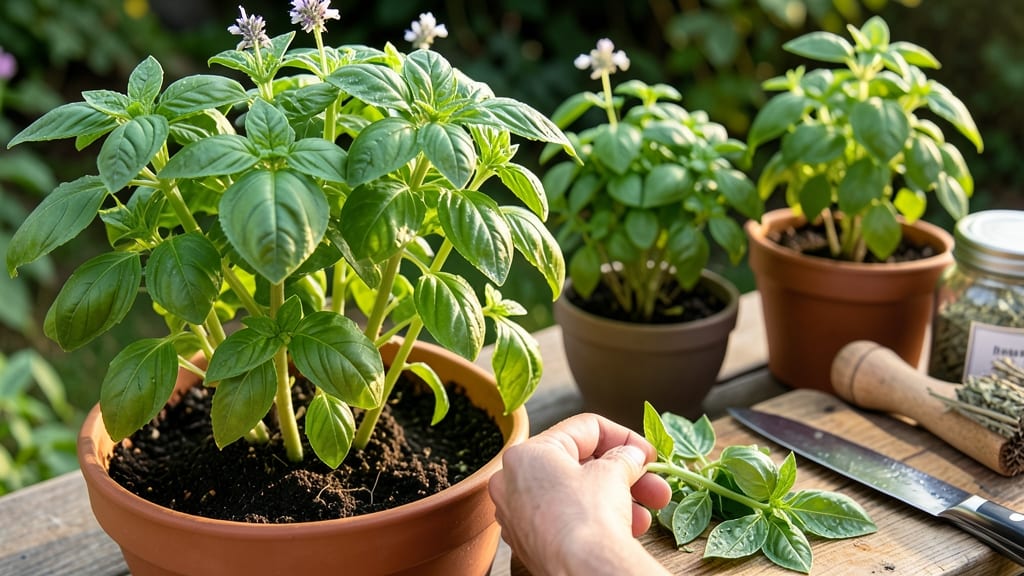
When you harvest fresh basil from your garden, use it immediately in pesto, salads, or sauces, or preserve through drying, freezing, or oil infusion. Always harvest before flowering for peak flavor and store properly to maintain freshness for weeks.
Your garden basil is a culinary powerhouse that deserves more than just pesto. 🌿 The secret to preserving its vibrant flavor lies in proper harvesting—always pinch leaves just above a pair of new leaves to encourage growth, and avoid cutting stems when possible.
For storage, wrap stems in a damp paper towel and place in a plastic bag in the fridge for up to a week, or try the water immersion trick by placing stems in a glass of water on your counter like a bouquet.
Beyond the kitchen, basil transforms into unexpected delights. Infuse olive oil with fresh leaves for a fragrant cooking oil, or blend it into homemade vinegar for a tangy twist.
Dried basil keeps its aroma for months, perfect for soups and stews, while freezing leaves in ice cube trays lets you add fresh flavor directly to dishes without thawing. The possibilities are endless when you think beyond the obvious!
💡 In This Article
- Harvesting and Storing Fresh Basil for Maximum Flavor
- 10 Creative Ways to Use Garden Basil Beyond Pesto
Harvesting and storing fresh basil for maximum flavor
The key to unlocking basil's full flavor potential starts with when and how you harvest. Basil leaves develop their most intense, sweet aroma when harvested before flowering—typically 6-8 weeks after planting. Once flowers appear, the leaves become bitter and lose their signature anise-like notes.
The science behind this is simple: flowering triggers the plant to shift energy from leaf production to seed creation, reducing the volatile oils that give basil its signature scent.
When harvesting, always use the "pinch method"—gently grasp a leaf between your thumb and forefinger and pinch it off just above a pair of new leaves. This encourages bushier growth and prevents the plant from becoming leggy.
Avoid cutting stems with scissors, as this can damage the plant's vascular system and lead to rot. For a single-use harvest, you can snip one-third of the plant at a time, but always leave at least 6-8 leaves per stem to maintain photosynthesis.
Storage methods dramatically affect basil's shelf life and flavor retention. At room temperature, wrap stems in a damp paper towel and place in a plastic bag with a few holes for airflow—this mimics the plant's natural humidity.
For longer storage (7-10 days), submerge stems in a glass of water on your counter like a bouquet, changing the water every 2 days. The fridge extends life to 2 weeks, but wrap stems tightly in plastic to prevent wilting from cold air.
Freezing is another option: chop leaves, spread on a tray, and freeze before transferring to a bag for up to 6 months of flavor.
What most gardeners don't realize is that light exposure during storage matters too. Basil stored in the fridge loses flavor faster because ethylene gas builds up, accelerating spoilage. To combat this, place basil in a paper bag with an apple (which absorbs ethylene) or use a ventilated container.
For maximum freshness, harvest in the morning when volatile oils are at their peak concentration—this ensures your basil retains its bright, aromatic profile for as long as possible.
Preserving basil through drying or oil infusion is where the real magic happens. For drying, bundle stems and hang upside down in a dark, dry place for 1-2 weeks—the slow oxidation process concentrates flavors.
To make basil oil, simply layer fresh leaves in a clean jar with olive oil, seal, and let sit for 2 weeks in sunlight. The chlorophyll in the leaves will create a vibrant green oil packed with flavor.
Both methods transform fresh basil into shelf-stable ingredients that elevate dishes year-round.
Here's a pro tip: If your basil starts to wilt but you haven't used it yet, try the "revival trick". Place stems in ice water for 30 minutes—the cold shock rehydrates cells and can restore up to 70% of freshness.
This works because cold water reduces cellular respiration, slowing down the breakdown of chlorophyll and volatile oils that cause wilting.
Remember, the goal is to preserve that fresh-picked brightness. Whether you're storing, drying, or freezing, always work with basil at its peak—right after harvest and before flowering. This ensures every bite, whether in pesto or preserved oil, carries that garden-fresh intensity. 🌿