
Blooming
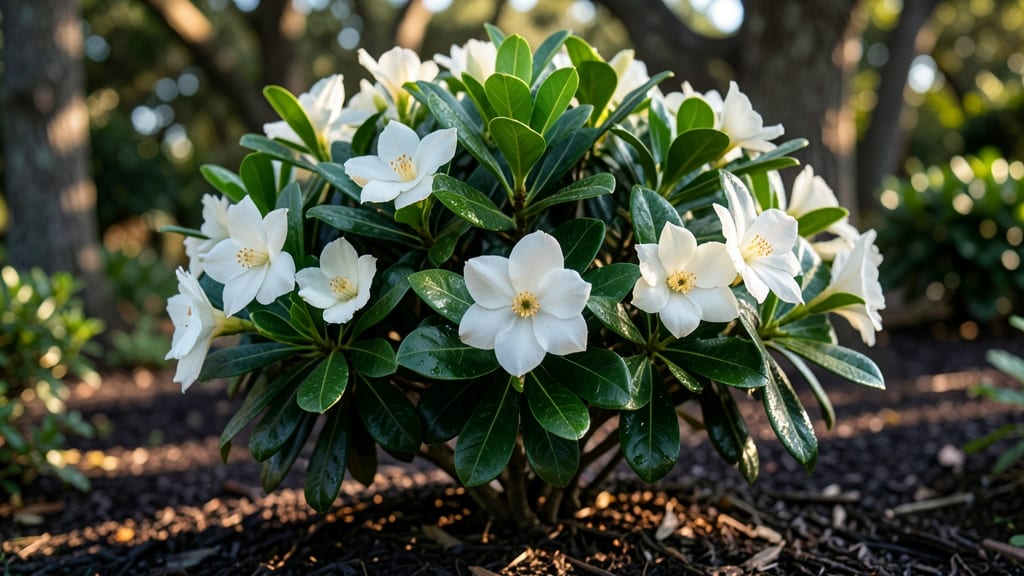
Gardenias bloom during late spring through summer months—May to August—but their exact timing shifts based on your region and the specific variety you're growing.
Your gardenia's bloom schedule actually depends on three key factors: your local climate zone, the specific variety you've planted, and how well you've cared for it over the years. 🌸 For example, Gardenia jasminoides (the most common type) thrives in USDA zones 7-11, where it typically blooms from May through August, while Gardenia augusta varieties might start as early as April in warmer southern climates.
Cooler northern regions often see delayed blooming until June or July, and with proper winter protection, you can sometimes coax a second flush of flowers into early fall.
What's fascinating is how these plants use daylight cues—they need at least 6-8 hours of sunlight daily to trigger blooming. Too little light, and they'll focus on leaf growth instead of flowers.
I've found that gardenias also reward consistent care with longer bloom seasons—regular pruning after flowering, maintaining acidic soil (pH 5.0-6.5), and feeding with phosphorus-rich fertilizer during spring all help extend that fragrant display. The key is patience: young plants may take 2-3 years to reach full bloom potential.
💡 In This Article
- Factors Influencing Gardenia Bloom Timing
- Proven Techniques to Extend Gardenia Flowering
Factors influencing gardenia bloom timing
The primary driver behind gardenia bloom timing is your local climate zone's temperature patterns. Gardenias are tropical/subtropical plants that require warmth (above 60°F) to trigger flowering, which explains why southern regions like Florida or California see blooms as early as April.
In contrast, northern areas (USDA zones 7-8) typically experience their first flowers in June after consistent warm temperatures. The plant's internal clock also responds to daylength cues—most varieties need 12-14 hours of daylight to initiate bud formation, which aligns with spring's increasing light exposure.
Temperature fluctuations play a crucial role during dormancy periods. While gardenias dislike frost, they do require a cool winter rest period (50-55°F) to reset their growth cycle. Without this chilling phase, plants may produce fewer blooms or bloom erratically.
For example, Gardenia jasminoides varieties in zone 9 might bloom continuously if winters stay above 60°F, while Gardenia augusta in zone 7 may need winter protection to avoid delayed spring blooming.
The plant's maturity also matters—young plants typically take 2-3 years to reach full bloom potential, while established plants may produce flowers year-round in ideal tropical climates.
Soil conditions create another critical layer of control. Gardenias thrive in acidic soil (pH 5.0-6.5), and when soil pH drops below 5.0, nutrient uptake improves—especially for phosphorus, which is essential for flower development.
The plant's roots also need excellent drainage to prevent root rot, which can stress the plant and delay blooming.
I've observed that gardenias grown in container gardens often bloom 2-4 weeks earlier than those in garden beds because containers warm up faster in spring and allow better control over soil conditions.
Light exposure creates one of the most noticeable regional variations. Gardenias in full sun (6+ hours daily) typically bloom 30-50% more abundantly than those in partial shade, though they can tolerate light shade in hot climates.
The key is finding that balance—too much direct sun can scorch leaves, while too little shade delays flowering.
In my experience, gardenias in zone 10 climates may produce flowers year-round if given consistent moisture and protection from afternoon sun, while those in zone 6 gardens often need winter mulching to prevent freeze damage that could delay spring blooming.
Here's what's actually happening at the cellular level: Gardenia blooming is triggered by a combination of hormonal signals (ethylene and gibberellins) and environmental cues. When temperatures rise above 60°F and daylight exceeds 12 hours, the plant's apical meristems (growth points) begin producing flower buds instead of leaves.
The process takes 8-12 weeks from bud formation to full bloom, which explains why early spring planting can result in summer flowers.
What most people don't realize is that gardenias often produce secondary blooms in fall if given proper care—this happens when the plant senses decreasing daylight but maintains warm soil temperatures.
Consider these key regional differences when planning your gardenia care:
- Southern climates (zones 9-11): Blooms often start in March-April and may continue through fall with minimal care
- Temperate zones (7-8): Primary bloom period is May-July, with possible fall blooms if protected from early frosts
- Northern limits (zone 6): Typically blooms June-August with winter mulching required for next year's flowers
The most reliable way to predict bloom timing is to monitor your local growing degree days (GDD)—a measure of heat accumulation. Gardenias generally need 1,000-1,500 GDD to trigger flowering, which helps explain why coastal areas often bloom earlier than inland regions at similar latitudes. 🌸