
Planting
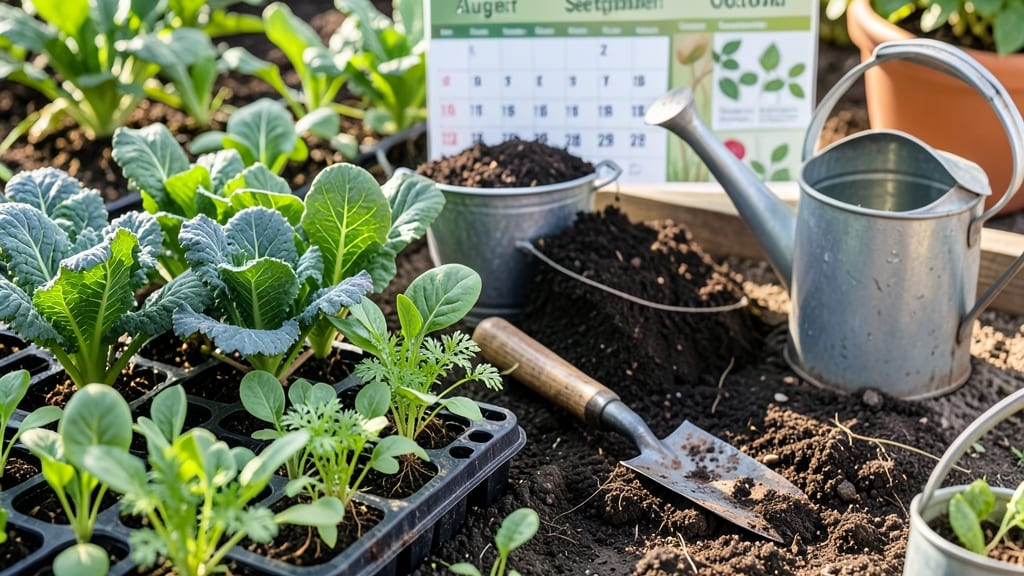
Planting a fall garden in South Texas means starting between late July and early October—before the first frost sneaks in, which is rare but still a risk.
South Texas gardeners know the struggle—scorching summer heat followed by unpredictable frost dates—but timing your 🥬 fall garden right can mean the difference between a bountiful harvest and wasted effort.
With 300+ frost-free days in zones 9a-10a, you’ve got room to experiment, but the key is balancing heat-loving crops like okra and sweet potatoes with cooler-season greens that thrive as temperatures dip.
Here’s how to nail your planting schedule, from soil prep to frost-proofing tips that’ll keep your garden productive through December.
Optimal planting windows for South Texas fall crops by month
South Texas gardeners face a unique challenge: long, hot summers followed by unpredictable frost dates that can arrive as early as mid-December. Unlike northern climates, our USDA Zone 8b-9a allows for extended growing seasons, but timing is everything.
Plant too early, and your cool-season crops bolt in the heat; too late, and frost ruins your harvest.
For San Antonio and Corpus Christi, the average first frost date hovers around December 15, but microclimates can shift this by weeks. The key is to plant heat-tolerant crops in late summer and cool-season crops 4-6 weeks before frost.
Let’s break it down by month to maximize your fall harvest potential.
August is your last chance to plant heat-loving crops like okra and sweet potatoes. These varieties thrive in 90°F+ temperatures and can handle South Texas’ long, dry spells.
For okra, aim for direct sowing by August 1—it matures in 50-60 days, so late plantings may not produce before frost.
By mid-September, shift focus to cool-season crops. Kale and spinach are excellent choices—they tolerate light frosts and actually sweeten up after a cold snap.
Plant these 4-6 weeks before frost, which in San Antonio is roughly November 1. Use shade cloth if daytime temps stay above 85°F.
For Corpus Christi, where coastal breezes delay frost slightly, you can push cool-season crops a bit later. Broccoli and carrots planted in late September will have time to mature before December’s chill. However, avoid planting lettuce after October 15—it bolts quickly in cooler weather.
Pro tip: Extend your harvest by planting fast-maturing varieties. Radishes (ready in 25 days) and bush beans (ready in 50 days) are perfect for succession planting in October. This ensures you have fresh produce even if frost arrives early.
Don’t forget to prepare your soil
Heat-tolerant vs. cool-season crops: what to plant when in South Texas
South Texas gardeners face a unique challenge: transitioning from 100°F summers to cool-season gardening without losing yield. The key lies in understanding heat-tolerant crops that thrive in late summer and cool-season varieties that handle dropping temperatures.
Planting the wrong crop at the wrong time means bolting lettuce or stunted growth—so let's break down your options.
Your fall garden timeline starts in mid-August for heat-lovers like okra and sweet potatoes, while cool-season stars like kale and spinach wait until September-October. The trick? Overlap planting windows to maximize harvests before rare December frosts arrive. Let's compare your best bets side by side.
🌱 Heat-Tolerant Crops (Plant Now)
✅ Thrives in 90°F+
✅ 90 days to harvest
❌ Bolts in cool temps
✅ 120-150 days growth
✅ Stores well for months
❌ Needs warm soil to sprout
✅ Drought-tolerant
✅ 75 days to harvest
❌ Stops producing in cool weather
🥬 Cool-Season Crops (Plant Late)
✅ 30-50 days to harvest
✅ Bolt-resistant varieties available
❌ Bolts in heat (plant after Sept 15)
✅ Sweetens after frost
✅ 60 days to maturity
❌ Needs cool nights (60°F ideal)
✅ 70 days to harvest
✅ Loose soil prevents forking
❌ Stunted in heat (plant after Sept 1)
For a smooth transition, amend your soil in late summer with 2-3 inches of compost to improve drainage and fertility. Heat-tolerant crops need well-draining soil to prevent root rot, while cool-season plants benefit from organic matter to retain moisture during dry spells.
Test your soil's pH—most vegetables prefer 6.0-7.0, but blueberries (if you're adventurous) need 4.5-5.5.
Pro tip: Use shade cloth (30-50%) over young cool-season plants in September to protect them from lingering summer heat while they establish roots. This buys you 2-3 extra weeks of planting time before temperatures drop.
Pair this with drip irrigation to keep roots consistently moist without wetting foliage—critical for disease prevention in humid South Texas air.
Remember, South Texas' frost dates are unpredictable—some years you'll get a light freeze in November, while others stay mild until December. Plan for 4-6 weeks of growth before your local average first frost (check your city's data!).
For extra insurance, choose fast-maturing varieties like 'Black Seeded Simpson' lettuce (30 days) or 'Tendergreen' spinach (35 days) to harvest before cold sets in.
Your fall garden checklist should include: soil amendments, shade protection for young plants, and a