
Planting
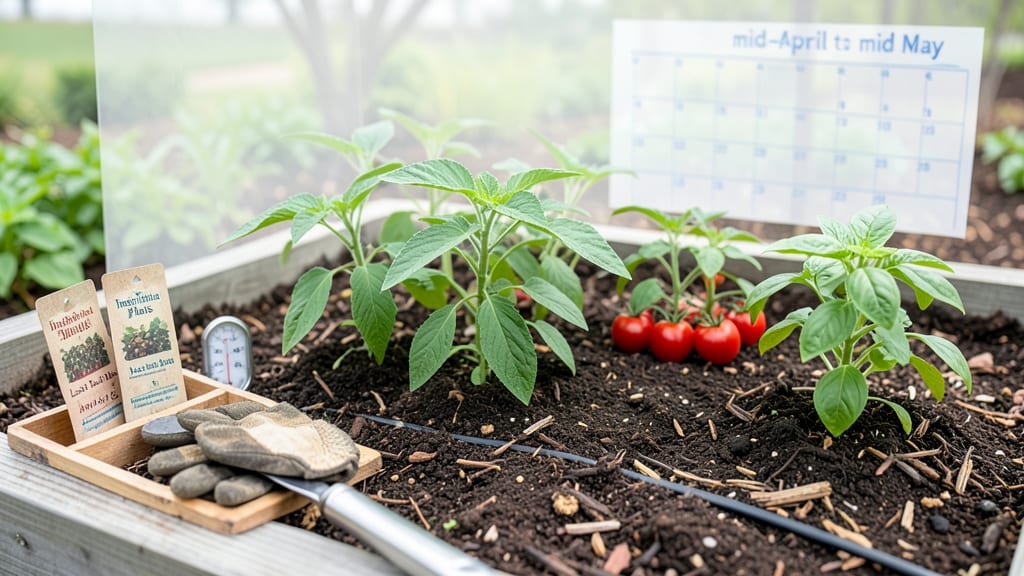
Planting a garden in Indiana at the right time means the difference between a bumper crop and a sad, frost-nipped failure—so timing your General Garden Vegetables & Flowers 🌱 after the last frost is everything.
Indiana’s unpredictable spring weather can turn your gardening dreams into frost-bitten disappointments—unless you know the exact last-frost dates for your county. Planting too early risks damage, while waiting too long means missing peak harvests.
In USDA Zones 5b-6a, most of Indiana’s last frost typically arrives between mid-April and early May, but that window shifts by weeks depending on whether you’re in northern Lake County or southern Gibson County.
Below, I break down the perfect planting windows for cool-season crops (like lettuce and spinach) versus warm-season favorites (tomatoes, peppers, and beans), plus how to adjust for late frosts or early heat waves.
Indiana last-frost dates by county: your planting timeline for vegetables, flowers, and herbs
Indiana’s last-frost dates vary dramatically from north to south, making county-specific planning essential for your garden’s success. In USDA Zones 5b-6a, northern counties like Lake County often see frost until May 10, while southern counties like Vigo can safely plant by April 15.
These differences mean the gap between early and late varieties can be 3-4 weeks, so timing is everything.
For cool-season crops like lettuce and spinach, I recommend starting seeds indoors 4-6 weeks before your county’s average last frost. Meanwhile, warm-season crops such as tomatoes and peppers need to wait until soil temperatures consistently reach 60°F, which typically aligns with two weeks after the last frost date.
Let’s break it down by region to help you avoid frost damage while maximizing your harvest.
Here’s a quick reference for Indiana’s last-frost averages by region, along with ideal planting windows for your favorite crops:
For northern Indiana, where frosts linger into May, I always recommend using row covers or a cold frame to extend the season for heat-loving crops.
In southern Indiana, you can push the envelope by planting early varieties of tomatoes or peppers as soon as April 15, but be prepared to protect them if a late frost hits. My rule of thumb?
When in doubt, wait until May 1 for warm-season crops in uncertain years.
Don’t forget about fall planting—Indiana’s first-frost dates typically arrive between October 10–20, depending on the region. This means you can still sow cool-season crops like kale, radishes, and carrots in late August or early September for a second harvest.
I’ve had great success with spinach planted in late August in central Indiana, yielding tender greens well into November.
Pro tip: Use a soil thermometer to confirm 60°F soil temps before planting warm-season crops. I’ve seen false springs where temps spike in March, only to drop back into the 30s°F in April.
Always plan for two weeks of warm weather after your last frost date to ensure your plants establish roots before summer heat arrives.
If you’re growing herbs like basil or cilantro, timing is equally critical. Basil thrives in warm soil and can’t tolerate frost, so I wait until after May 1 in most of Indiana.
Cilantro, on the other hand, bolts in summer heat, so I plant it in early spring and late summer for a cool-season harvest. These small adjustments make a huge difference in flavor and yield.
For flowers like marigolds or zinnias, which are frost-tolerant, you can start seeds 2-3 weeks before your last frost date. I’ve had marigolds bloom in late May even when planted in early April, adding early color while protecting other plants from pests.
Pair them with cool-season crops like lettuce for a diverse
How to adjust planting dates for Indiana’s microclimates and unpredictable weather
Indiana’s unpredictable frost patterns and microclimate variations can make planting a guessing game. Urban areas like Indianapolis often warm up 1-2 weeks earlier than rural counties, while higher elevations in the north face later last-frost dates.
Even within USDA Zones 5b-6a, your specific location matters more than the average frost date.
To beat Mother Nature, I’ve developed a three-step system for adjusting planting windows: extending seasons with row covers, calculating safe windows using local trends, and adapting to urban vs. rural growing conditions.
These strategies help me plant tomatoes 2 weeks earlier in my south-facing garden while avoiding frost damage in shadier spots.
Indiana’s last frost can vary by 3 weeks from year to year. Use the 5-year average from your local NOAA climate station (not the USDA zone) to calculate your safe planting window. For example, if your county’s last frost is April 15 (±7 days), wait until April 22 to plant tomatoes—but have row covers ready for late surprises.
Start by monitoring soil temperature, not air temperature. Most warm-season crops like peppers and cucumbers need soil at 60°F+ for 2 weeks straight.
I use a soil thermometer to track this—last spring, my northern Indiana garden hit 60°F on May 5, a full week later than the average frost date suggested.
For cool-season crops, plant 4-6 weeks before your last frost date, but use frost cloth if nights dip below 32°F.
Urban gardens often warm up faster due to heat islands, but they also dry out quicker. My downtown Indianapolis plot gets 10°F warmer at night than my rural cousin’s farm, letting me plant beans 7 days earlier.
However, I mulch heavily to retain moisture. In rural areas, wind exposure delays warming—plant near windbreaks or use low tunnels to create microclimates that trap heat.
For fall planting, focus on first-frost dates, which typically arrive between October 10-25. I extend harvests by planting spinach and kale in late August, using black plastic mulch to warm soil and row covers to shield young plants.
Last fall, my broccoli survived until November 15—a full month beyond the average first frost—thanks to these tricks.
When in doubt, start seedlings indoors 4-6 weeks before your last-frost date and harden them off gradually. I’ve successfully transplanted tomato seedlings as early as April 1 in my greenhouse, then moved them outside under floating row covers when nights were still chilly.
This two-week head start gives my plants time to establish before the heat of summer arrives.