
Planting
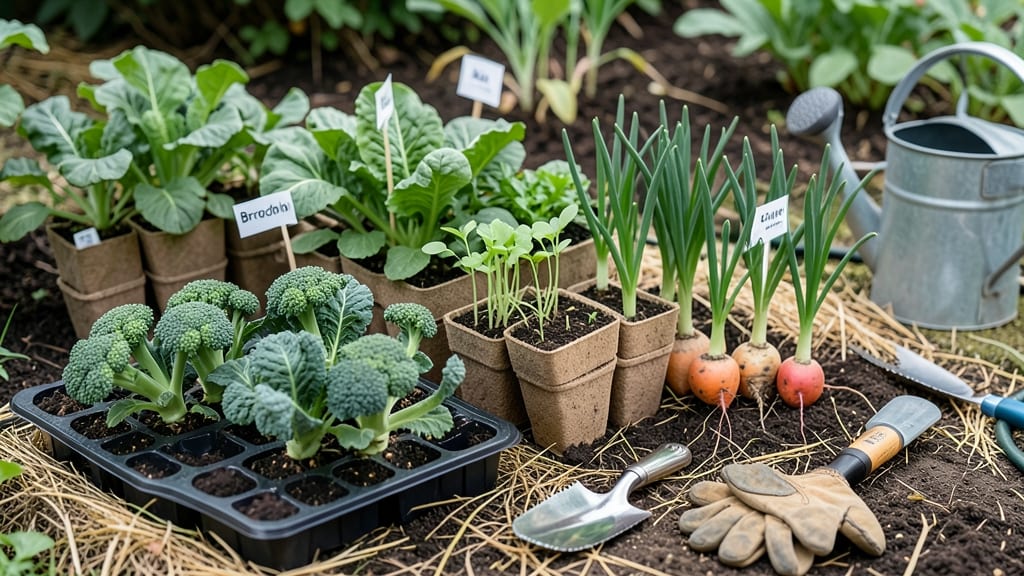
To plant a fall garden in Texas, start 8 to 10 weeks before your first frost—typically mid-July for North Texas and early August for the Gulf Coast.
Texas gardeners know the summer heat can be brutal—but with the right timing, you can still grow a thriving fall garden packed with heat-tolerant crops.
Missing the optimal planting window means struggling with wilting plants or pests, so knowing exactly when to plant is your secret weapon for a bountiful harvest.
Fall gardens in Texas thrive when planted early enough to establish roots before the heat fades, yet late enough to avoid the peak summer scorcher. This balance means choosing crops like okra, sweet potatoes, and malabar spinach that handle the heat while still maturing before winter sets in.
In this guide, I’ll break down the exact planting dates by zone, soil prep tips, and how to extend your growing season—so you can enjoy fresh harvests long after summer’s last blast.
Texas fall planting calendar by Zone 8-10: exact dates for heat-tolerant crops
Texas gardeners in USDA Zones 8-10 can still grow a productive fall garden if you plant at the right time. Unlike cooler climates, our long growing season allows for heat-tolerant crops like okra, sweet potatoes, and malabar spinach to thrive when planted strategically.
The key is understanding your last frost date and soil temperature thresholds—because planting too late means battling pests or stunted growth.
In Zone 8 (North Texas), the last frost typically falls between November 15-30, while Zones 9-10 (South Texas) rarely see frost. This means your planting window shifts later in the year, but you’ll still need to prepare for fall temperature drops and shorter daylight hours.
Let’s break down the exact months and soil conditions for each zone to maximize your harvest.
Pro Tip: Always check your local agricultural extension service for precise frost dates—even within the same zone, microclimates can vary by 10-14 days. For example, Dallas (Zone 8a) may have an earlier last frost than Houston (Zone 9a).
For Zone 8, start sowing okra seeds in late July when soil temperatures hit 70°F.
Transplant seedlings in early August to give them time to mature before the first frost. Sweet potatoes should go in the ground by mid-August—they need 90-120 days to harvest, so don’t wait until September!
In Zones 9-10, you’ve got more flexibility. Malabar spinach and collards can handle light frosts, so you can plant them as late as October. Eggplants and peppers, however, need warmer soil—aim for 75°F+—so stick to August-September plantings.
If you’re in South Texas (Zone 10), you can even plant a winter radish crop in November for a quick harvest.
Soil temperature is more critical than air temperature for fall planting. Use a soil thermometer to check depths of 2-4 inches.
If your soil is cooler than the recommended thresholds, your seeds may rot or fail to germinate. Raised beds warm up faster than in-ground soil, making them ideal for early fall plantings.
Don’t forget to amend your soil before planting. Texas clay soils benefit from compost or aged manure to improve drainage and fertility. Add a 2-3 inch layer of mulch after planting to retain moisture and regulate soil temperature.
This is especially important in Zone 8, where nights can get chilly by October.
Watering shifts in fall, too. While summer calls for deep, infrequent watering, fall crops like leafy greens need consistent moisture. Water in the early morning to reduce fungal risks, and aim for 1 inch of water per week.
Use drip irrigation to target roots directly and avoid wetting foliage.
If you’re in Zone 8 and facing an early frost, protect your plants with floating row covers or a cold frame. For Zones 9-10, focus on succession planting every 2-3 weeks to keep a steady harvest.
And remember: okra and sweet potatoes are your best bets for late-season heat—they’ll keep producing even as temperatures dip.
By following this zone-specific calendar, you’ll avoid the common pitfalls of planting too late or ignoring soil temps. Start now, and you’ll be enjoying homegrown malabar spinach salads and roasted sweet potatoes long after your neighbors’ gardens have gone dormant. Happy planting! 🌱
Top 5 heat-tolerant fall crops for Texas gardens (and how to extend their growing season)
Texas summers don't have to mean the end of your garden dreams. With the right heat-tolerant crops, you can still enjoy a productive garden well into fall. These five resilient plants thrive in Texas's late-season heat and even help extend your growing season before winter sets in.
Choosing the right varieties and using simple season-extending techniques like mulching and shade cloth can protect your plants from late-season heat stress. Let's explore the best crops and how to keep them thriving until the first frost.
Plant in August-September for fall harvests. Thrives in 90°F+ temperatures and produces pods until frost. Use black plastic mulch to retain soil moisture and warmth.
Start slips in late July-August. Their deep roots access water, making them drought-tolerant. Apply straw mulch to prevent soil cracking during heatwaves.
Heat-loving vine that grows well in 95°F+. Plant in August for continuous harvests. Provide drip irrigation to keep leaves lush without wetting foliage.
Fix nitrogen in soil while producing edible pods. Sow in July-August. Use light shade cloth to protect young plants from intense afternoon sun.
Plant in August-September for fall/winter harvests. Choose varieties like 'Vates' that handle 85°F+. Apply organic mulch to cool roots during heat spikes.
For all these crops, deep watering schedules are critical during Texas's fall heat. Water in the early morning to reduce evaporation and fungal risks. Aim for 1-1.5 inches per week, adjusting for rainfall.
Consider adding 30% shade cloth over young plants during the hottest afternoons to prevent heat stress. This simple trick can buy your plants extra time to establish strong roots before winter arrives.
With these heat-tolerant varieties and smart growing techniques, you can enjoy fresh harvests long after most gardens have called it quits. Start planning your fall garden now—your taste buds will thank you!