
Planting
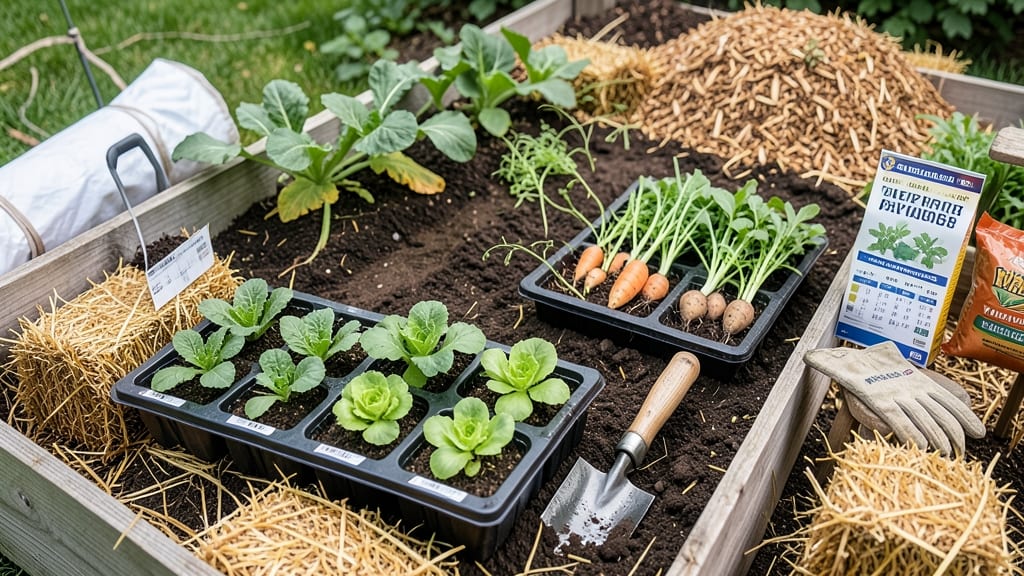
Planting your garden in Maine at the right time means the difference between a lush harvest and a failed experiment—and the key is knowing when to start.
Maine’s unpredictable frost dates can turn a thriving garden into a barren patch if you plant too early—or too late. Whether you’re growing cool-season crops like spinach or warm-season favorites like tomatoes, timing your garden correctly is your secret weapon for success.
With USDA zones 3 through 5, Maine’s growing season is short but productive when you follow the right schedule. The average last frost date shifts from late May in the north to early May in the south, meaning your planting window must adapt to your zone.
In this guide, I’ll break down the best times to plant by crop, share strategies for extending your season, and help you avoid common mistakes that even experienced gardeners make.
Maine’s frost dates by growing Zone: when to plant cool vs warm season crops
Maine’s USDA zones 3-6 create a diverse gardening landscape, where last frost dates can vary by 2-3 weeks between northern and southern regions.
Knowing your zone-specific frost dates ensures you plant cool-season crops like spinach and kale at the right time, while protecting warm-season crops like tomatoes and peppers from late frosts.
In Zone 3 (northern Maine), the average last frost date is around May 20-30, while Zone 6 (southern Maine) typically sees its last frost by May 10-15.
These differences mean warm-season crops in Zone 3 need extra protection or earlier starts indoors, while Zone 6 gardeners can plant directly outdoors sooner.
For cool-season crops, start planting as early as early April in Zone 6, while Zone 3 gardeners should wait until late April to early May to avoid frost damage.
These hardy crops thrive in cooler temperatures and can even handle light frosts, making them ideal for Maine’s early spring.
Warm-season crops require soil temperatures above 60°F and should only be planted after the last frost date. In Zone 3, this means waiting until late May to early June, while Zone 6 gardeners can plant as early as mid-May.
Always use frost cloths or row covers for added protection in cooler zones.
| USDA Zone | Last Frost Date | First Frost Date | Cool-Season Planting | Warm-Season Planting |
|---|---|---|---|---|
| Zone 3 (Northern ME) | May 20-30 | Sep 15-25 | Early April - Late May | Late May - Early June |
| Zone 4 (Central ME) | May 10-20 | Sep 20-30 | Mid-April - Early June | Mid-May - Late May |
| Zone 5 (Southern ME) | May 1-10 | Oct 1-10 | Late March - Late May | Early May - Mid-May |
| Zone 6 (Coastal ME) | April 25 - May 5 | Oct 15-25 | Late March - Early June | Mid-April - Early May |
*Adjust planting dates based on your local microclimate and historical frost records.
Extending your growing season in Maine’s short summers is all about timing. For late fall planting, focus on hardy crops like kale, spinach, and garlic, which can survive light frosts and even improve in flavor after exposure.
In Zone 3, these crops can be planted as late as early September, while Zone 6 gardeners can extend planting until mid-October.
Warm-season crops like tomatoes, peppers, and cucumbers need consistent warmth to thrive. In Zone 3, start these indoors in March and transplant after June 1, using row covers for protection.
In Zone 6, you can plant directly outdoors by mid-May, but always monitor soil temperatures to avoid stunted growth.
Don’t forget about microclimates—southern exposures, urban heat islands, and bodies of water can create warmer pockets in your garden. These areas may allow you to plant warm-season crops 1-2 weeks earlier or extend your fall harvests. Pay attention to local frost records and adjust your planting schedule accordingly.
For early spring planting, use <
How to adjust planting times for Maine’s unpredictable weather patterns
Maine’s short growing season and sudden frost can leave even experienced gardeners scrambling. The key to success lies in flexibility—adjusting your planting schedule based on real-time weather patterns rather than relying solely on average frost dates.
I’ve learned that extending the season with protective tools and strategic seed starting can add weeks, if not months, to your harvest.
First, monitor local weather forecasts from trusted sources like the National Weather Service or your county extension office. These provide real-time updates on frost warnings and temperature swings that printed charts can’t predict.
For example, a late May frost in northern Maine (Zone 3) can wipe out tender seedlings overnight, while southern Maine (Zone 6) might see a mild spring with earlier planting opportunities.
To mitigate risks, I always have frost cloths, cold frames, and row covers on hand. These tools can push back frost dates by 2-4 weeks, giving delicate plants like tomatoes and peppers a head start.
A cold frame raised just 2 inches off the ground can add 10-15°F of protection, while frost cloth (a lightweight, breathable fabric) works for lighter frosts down to 28°F. For extreme cold snaps, combine both for layered protection.
⚠️ callout warning
Starting seeds indoors 6-8 weeks before the last frost date gives you a buffer. For Zone 3, this means beginning tomato and pepper seeds in early March, while Zone 6 gardeners can wait until mid-April.
Use grow lights to supplement Maine’s weak early spring sunlight, which can stretch seedlings into leggy, weak plants. Harden off seedlings for 7-10 days before transplanting to avoid shock from temperature swings.
Another trick I swear by is succession planting. Instead of sowing all your lettuce or radishes at once, stagger plantings every 2 weeks. This ensures a continuous harvest even if early crops fail to the frost.
For example, plant radishes in late April, early May, and mid-May—some will mature before the first frost, while others will overwinter under straw mulch for spring harvests.
Finally, pay attention to microclimates in your yard. South-facing slopes warm up faster and hold heat longer, making them ideal for early plantings of spinach or peas. Conversely, low-lying areas or north-facing beds may need extra protection or later planting.
By observing these nuances, I’ve successfully grown zucchini in Zone 4 by planting near a sunny brick wall that radiates heat.