
Planting
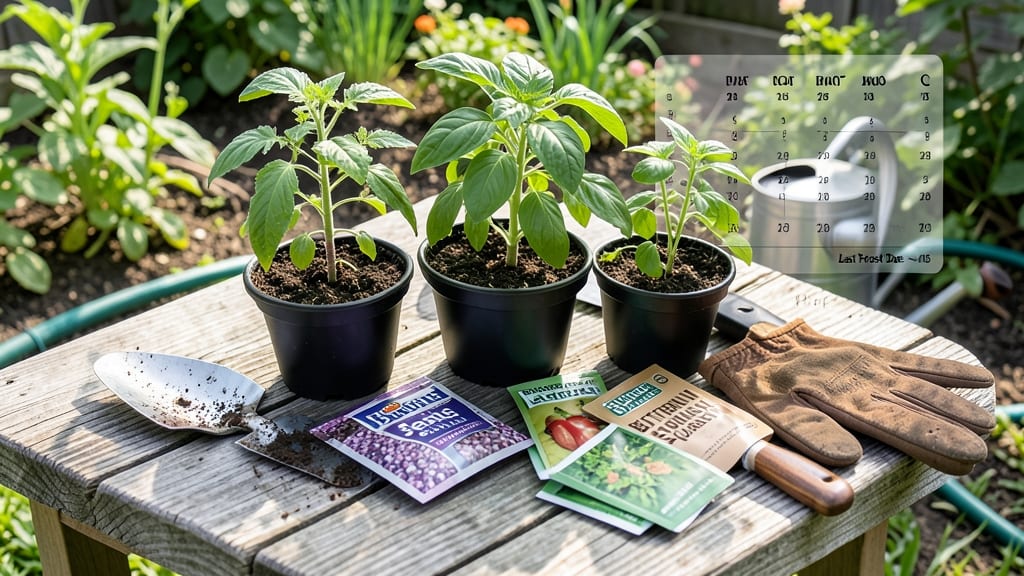
Planting a garden in Missouri means timing is everything—get it wrong, and your hard work could vanish overnight with a late frost.
Missouri’s diverse climate—from humid summers to harsh winters—means planting your garden at the wrong time can mean the difference between a bountiful harvest and wasted seeds. But with the right frost-free deadlines and plant-specific timing, you can maximize your yields in Missouri’s unique growing zones.
In USDA Zones 5b-6a, the last spring frost typically hits around mid-April, while the first fall frost arrives by mid-October.
That gives you just 165 frost-free days to grow everything from tomatoes to zucchini—so knowing when to start seeds indoors, when to transplant, and which crops thrive in Missouri’s short season is the key.
Below, I break down the exact planting windows for cool-season crops (like lettuce and peas) that love the spring chill, warm-season favorites (tomatoes, peppers) that need the heat, and perennials that can handle Missouri’s unpredictable weather.
You’ll also find tips to extend your season with row covers and cold frames—so you can grow more, even in Zone 5b.
Missouri planting deadlines by USDA hardiness zones (5b, 6a, 7a)
Missouri spans three USDA hardiness zones—5b, 6a, and 7a—each with slightly different frost dates that dictate your planting schedule.
In Zone 5b (northwest Missouri), the last spring frost typically arrives around April 15, while Zone 7a (southern Missouri) enjoys a later frost-free date near April 1. Understanding these deadlines helps you avoid frost damage and maximize your garden's potential.
For cool-season crops like lettuce and peas, start planting 4-6 weeks before your last frost date—meaning early March in Zone 7a but closer to late March in Zone 5b.
Meanwhile, warm-season crops such as tomatoes and peppers need to wait until soil temperatures reach at least 60°F, usually mid-May in northern Missouri and early May in the south.
Fall planting is equally critical: cool-season crops thrive when sown 8-10 weeks before the first frost, which hits October 15 in Zone 5b but can stretch to November 1 in Zone 7a.
Warm-season crops, however, must be planted early enough to mature before frost—typically by mid-August in northern Missouri.
Here’s a quick comparison of key deadlines across Missouri’s zones to help you plan:
Starting seeds indoors is a game-changer for Missouri gardeners. For example, in Zone 5b, begin tomato seeds indoors by March 1 to transplant outdoors by mid-May. In Zone 7a, you can start them as early as February 15 for a head start.
Use grow lights or a sunny windowsill to ensure strong seedlings before transplanting.
Direct sowing outdoors is simpler but requires precise timing. Peas and spinach can handle cooler soils, so plant them as soon as the ground is workable—early March in Zone 7a or late March in Zone 5b.
For beans and cucumbers, wait until soil temperatures hit 65°F, typically late May in northern Missouri.
Missouri’s humid summers and variable fall weather make fall planting tricky. To extend your harvest, opt for fast-maturing varieties like bush beans or radishes, which can be sown as late as mid-September in Zone 7a. In Zone 5b, stick to early September plantings to avoid frost.
Pro tip: Use row covers or cold frames to push your planting windows earlier in spring or later in fall. For instance, a simple floating row cover can protect lettuce or kale from light frosts, allowing you to plant 2-3 weeks earlier than the official deadlines.
Always check your local Missouri climatological data for microclimate variations—urban areas may warm up faster than rural spots. Adjust your deadlines accordingly to give your garden the best chance for success.
By aligning your planting schedule with Missouri’s frost-free dates and zone-specific guidelines, you’ll avoid common pitfalls like frost damage or bolting and enjoy a productive garden from spring to fall.
Best planting schedule for Missouri’s top 10 vegetables and herbs
Missouri’s growing season runs from late March to October, but timing is everything. Planting too early risks frost damage, while waiting too long can lead to poor yields.
The key is understanding each plant’s critical windows—when to start seeds indoors, transplant outdoors, and make succession plantings for continuous harvests.
For Missouri gardeners, I’ve broken down the top 10 vegetables and herbs into three planting categories: cool-season crops (like lettuce and peas), warm-season crops (tomatoes and peppers), and herbs (basil and cilantro).
Each has specific deadlines to avoid bolting, stunted growth, or frost damage. Let’s dive into the month-by-month schedule that works for USDA Zones 5b-6a.
🌱 Missouri Planting Schedule by Plant Type
-
Cool-Season Crops (Lettuce, Peas, Spinach, Kale)
Start seeds indoors: March 1-15
Transplant outdoors: March 20-April 15
Succession plant: Every 2 weeks until June 15 -
Warm-Season Crops (Tomatoes, Peppers, Beans, Corn)
Start seeds indoors: March 15-April 1
Transplant outdoors: April 20-May 10
Direct sow outdoors: May 15-June 15 -
Herbs (Basil, Cilantro, Dill, Parsley)
Direct sow outdoors: March 15-April 30
Succession plant basil: June 15-July 1
Avoid planting cilantro after May 15 (bolts quickly) -
Fall Planting (Broccoli, Carrots, Radishes)
Start seeds indoors: July 15-August 1
Transplant outdoors: August 15-September 15
Direct sow outdoors: August 1-September 10
⚠️ Critical Deadlines: Warm-season crops must be in the ground by May 10 to avoid frost. Cool-season crops planted after June 15 risk bolting.
One of the biggest mistakes Missouri gardeners make is planting warm-season crops too early. Soil temperatures below 60°F can stunt growth or even kill seedlings. Use a soil thermometer to check—wait until the ground warms up before transplanting tomatoes or peppers.
For cool-season crops, the opposite is true: planting too late can lead to bitter flavors or premature flowering.
Succession planting is your secret weapon for a continuous harvest. For example, sow lettuce every 2 weeks from March through June, and repeat with bush beans in late June and early August. This ensures you’re never without fresh greens or pods.
Herbs like basil are heat-lovers—plant them after the last frost, but don’t wait past June 15, or they’ll bolt before you can enjoy their flavor.
Soil prep is non-negotiable. Before planting, amend your soil with compost or aged manure to improve drainage and fertility. Missouri’s clay-heavy soil can suffocate roots, so mix in organic matter to create a looser texture.
For herbs like cilantro, which prefer cooler temps, mulch with straw to keep roots cool and retain moisture during our hot summers.
Finally, keep an eye on the forecast. A late frost in April or an early chill in October can derail your plans. Use row covers for early spring plantings and extend your fall harvest with cold frames.
With these strategies, you’ll turn Missouri’s unpredictable climate into an advantage—producing a bountiful, year-round harvest.