
Plants
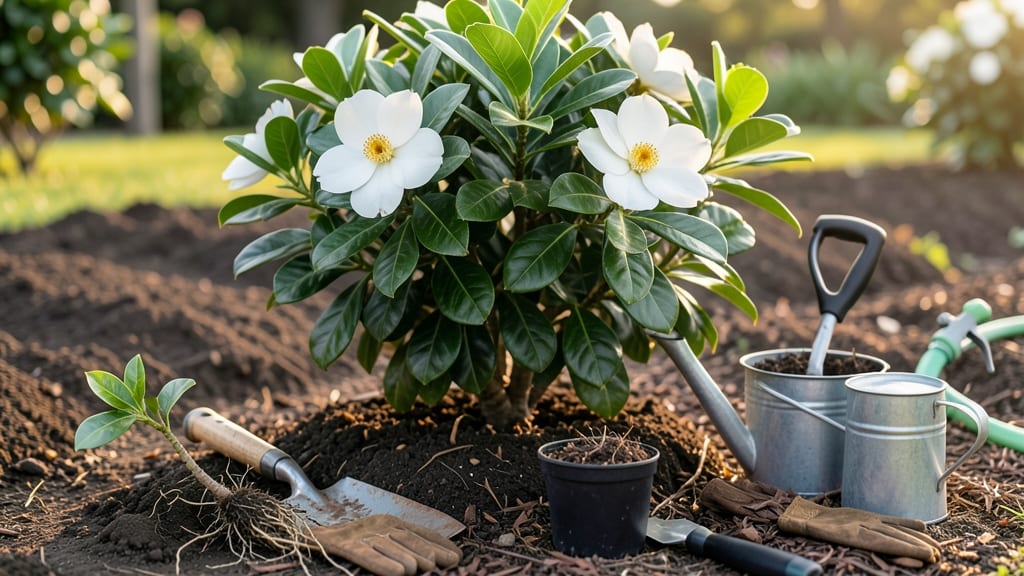
Plant gardenias in North Carolina after your last frost date—typically between mid-March and April—when soil temperatures hover above 60°F.
Miss that window, and your 🌸 could end up stunted or worse, dead from a late freeze. I’ve seen it happen to neighbors who planted too early, only to watch their gardenias wilt under unexpected cold snaps. The key isn’t just the calendar—it’s the soil’s readiness and your microclimate.
North Carolina’s varied zones (7a-8b) mean frost dates shift from the coast to the Piedmont. Coastal areas like Wilmington can plant as early as February, while inland spots near Asheville should wait until late April. The difference? A 2-3 week gap that can make or break your gardenia’s first year.
Below, I’ll walk you through the exact planting window for your region, soil prep secrets to mimic their native acidic conditions, and how to avoid the 3 biggest mistakes that kill gardenias before they even bloom.
Best planting window for gardenias in NC: frost dates & microclimate tips
North Carolina’s USDA zones 7b-8a create the perfect stage for gardenias—but only if you plant them at the right time. These fragrant evergreens despise frost, so timing your spring or fall planting around NC’s last-frost dates is critical.
In most areas, that means March-April for spring planting, with September-October as your fall backup.
Missed the window? Don’t panic—just know that planting too early risks frost damage, while waiting too long can stress young roots before winter. The key is understanding your local microclimate, whether you’re in the coastal humidity of Wilmington or the drier Piedmont of Raleigh.
Urban heat islands can push frost dates back by 1-2 weeks, while rural areas may face earlier freezes.
⚠️ PRO TIP: Use the NC State Climate Office’s frost maps (linked below) to pinpoint your exact last-frost date. For most of NC, that’s mid-March, but mountain regions like Asheville can see frost into April. Planting 2-3 weeks after your local last frost gives roots time to establish before summer’s heat.
Spring planting is my top recommendation because gardenias need 6-8 weeks of warm soil to establish roots before summer’s heat arrives. For fall planting, aim to get them in the ground 6-8 weeks before your first frost—typically by early October in most of NC.
This gives roots time to harden off before winter.
Heatwaves are another NC-specific challenge. If you plant in late April or May, young gardenias can suffer from transplant shock during summer’s 90°F+ days. To mitigate this, mulch heavily (3-4 inches of pine straw) and water deeply at the base—never overhead—to keep roots cool.
I’ve seen gardenias planted in June survive with this care, but blooms may be delayed by a year.
Urban gardeners often ask about container planting for flexibility. If you’re in a rental home or have poor soil, containers work—but they require daily watering in summer and winter protection (move to a sheltered porch or wrap in burlap).
Just remember: containers dry out 3x faster than in-ground plantings, so monitor soil moisture daily during heatwaves.
One common mistake? Planting gardenias too deep. The root collar (where stems meet roots) should sit just above soil level. Burying it too deep causes rot, while planting too high stresses the plant.
After planting, water deeply (1-1.5 gallons per plant) to settle soil and avoid overhead watering for 3 days to prevent fungal diseases like powdery mildew.
For coastal NC, where humidity is high, I recommend adding 1 part perlite to your planting mix to improve drainage. In drier Piedmont regions, blend in composted pine bark to retain moisture. Both amendments help gardenias—native to tropical/subtropical climates—adapt to NC’s variable conditions.
Pro tip: If you’re planting bare-root gardenias, soak the roots in water for 1-2 hours before planting to revive them. For container-grown plants, gently loosen the root ball to encourage outward growth.
After planting, stake tall varieties (like ‘Radicans’) to prevent wind damage during summer storms—a common issue in NC’s Atlantic coast.
Remember: Gardenias reward patience. While they may take
Soil & site prep checklist: why gardenias struggle (and how to fix it)
Gardenias in North Carolina demand perfect soil conditions to thrive. The wrong mix of pH, drainage, and organic matter can cause yellowing leaves, poor blooms, or even plant death. Most NC gardeners face two major hurdles: heavy clay soil and alkaline water, both of which gardenias despise.
Without proper prep, even the hardiest varieties like 'Kleim’s Hardy' will struggle to establish.
First, test your soil’s pH level—gardenias need a range of 5.0 to 6.5. NC’s native soils often skew alkaline (pH 7.0+), which locks out essential nutrients like iron and manganese.
Next, check drainage: waterlogged soil leads to root rot, while sandy soil drains too quickly, stressing the plant. The solution? A custom soil blend tailored to your yard’s natural conditions.
Clay soil holds too much moisture and lacks organic matter, while alkaline water (common in Piedmont NC) raises pH over time. Amend BEFORE planting—gardenias won’t tolerate fixes after the fact. Use sulfur or peat moss to lower pH and sand or perlite to improve drainage. If your water tests above pH 7.0, install a rainwater collection system for irrigation.
For sunlight, gardenias crave morning sun and afternoon shade. In NC’s USDA zones 7b-8a, this means positioning them on the east or north side of your yard. Harsh afternoon sun (especially in summer) causes leaf scorch.
If you must plant in full sun, mulch heavily with 3-4 inches of pine bark or wood chips to protect roots and retain moisture.
Here’s your NC-specific soil amendment guide for heavy clay:
- Test pH (use a soil kit or lab test).
- If pH >6.5, mix in elemental sulfur (1 lb per 100 sq ft) or peat moss.
- For drainage, blend 50% native soil, 30% compost, and 20% sand/perlite.
- Add a slow-release acid fertilizer (like 8-3-9) at planting time.
- Mulch with pine straw to maintain acidity.
Pro tip: Container gardeners have an advantage—they can control soil mix completely. Use a blend of 50% peat moss, 30% pine bark fines, and 20% perlite.
Repot every 2-3 years with fresh potting mix to replenish nutrients. Avoid gardening soil from big-box stores—it’s often too alkaline and lacks organic matter.
Remember, gardenias reward patience. With the right soil prep and site selection, your shrubs will burst into fragrant blooms by midsummer. Start your amendments 6-8 weeks before planting to let the soil settle—and watch your gardenias thrive where others fail. 🌿