
Vegetables
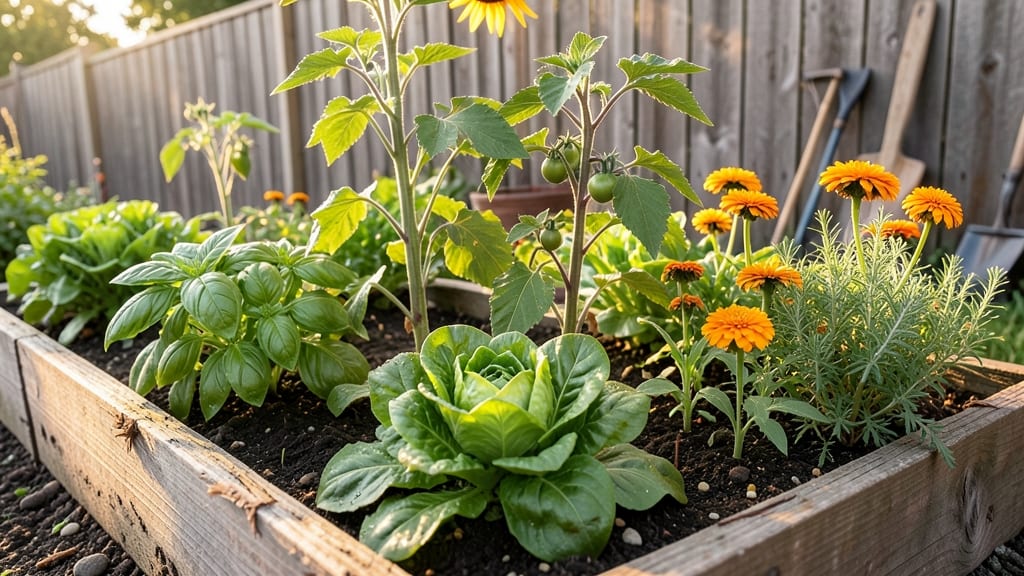
Humans cultivate gardens primarily to ensure food security, maintain cultural heritage, and strengthen community bonds, with roots stretching back to ancient agricultural societies where farming became essential for survival and societal development.
Gardening isn't just about growing plants—it's a centuries-old practice that ties directly to human survival and cultural identity. 🌱 From Mesopotamia's early irrigation systems to today's urban community plots, these green spaces have always served as lifelines, especially during food shortages.
The act of nurturing crops also preserves traditions, like heirloom seed-saving or ceremonial harvests, while modern gardens now double as stress relievers and even local food hubs. What's fascinating is how this practice has adapted: from ancient survival tool to today's wellness trend.
In fact, studies show that community gardens can cut grocery bills by up to 30% while reducing food miles, making them a practical solution for both budget-conscious families and eco-conscious urbanites.
The sensory experience of tending soil also triggers mood-boosting chemicals, proving gardening's dual role as both a practical necessity and a mental health ally.
💡 In This Article
- Ancient Origins of Gardening: Survival and Cultural Evolution
- Modern Gardening Benefits: Food Security and Mental Wellness
Ancient origins of gardening: survival and cultural evolution
Gardening began as a survival strategy when early humans noticed certain plants yielded edible seeds or tubers more reliably than foraging. Around 12,000 years ago, during the Neolithic Revolution, climate shifts forced nomadic groups to settle near fertile river valleys like Mesopotamia.
These areas provided consistent water sources, allowing them to cultivate crops such as wheat and barley—plants that could be stored for months, unlike seasonal berries or game. The shift from hunting-gathering to farming created food surpluses, which supported population growth and specialized labor, like pottery-making or toolcraft.
The process of seed domestication was revolutionary. Wild grains had hard outer shells that required hours of grinding to consume, but farmers selectively bred plants with thinner husks, like einkorn wheat, which could be harvested in 30-40 days instead of months.
This acceleration of growth cycles meant more frequent harvests and less time spent foraging. 🌾 Archaeological evidence from sites like Çatalhöyük (modern-day Turkey) shows early gardens included not just staples but also medicinal herbs like poppy, suggesting cultivation extended beyond sustenance to health and ritual.
Gardening quickly became intertwined with religion and social organization. In ancient Egypt, gardens near temples symbolized divine favor, with priests maintaining plots of flax and papyrus that were offerings to gods like Osiris.
Meanwhile, the Inca Empire used terraced gardens on Andean mountainsides to grow potatoes and quinoa, systems that required communal labor and precise water management. These practices reinforced social hierarchies—leaders controlled access to seeds and irrigation, while festivals celebrated harvests, strengthening cultural identity through shared agricultural experiences.
Trade also played a pivotal role. The Silk Road wasn't just for spices and silk; it transported agricultural knowledge. Citrus fruits, for example, traveled from Southeast Asia to Mediterranean gardens by 200 BCE, introducing new flavors and vitamins to diets.
This exchange of plants and techniques created diverse ecosystems where communities adapted crops to local climates, like the Maya developing drought-resistant maize varieties. The physical act of gardening thus became a bridge between survival, spirituality, and global connection.
What's striking about these ancient gardens is their dual purpose: they were both practical and symbolic. A 1-square-meter plot in Mesopotamia could yield enough barley to feed a family for a week, but it also served as a marker of land ownership and a space for storytelling.
Children learned math by dividing irrigation channels, while elders passed down planting cycles tied to lunar phases. This blend of utility and culture explains why gardening persists today—it's not just about growing food, but preserving stories and skills across generations.