
Planting
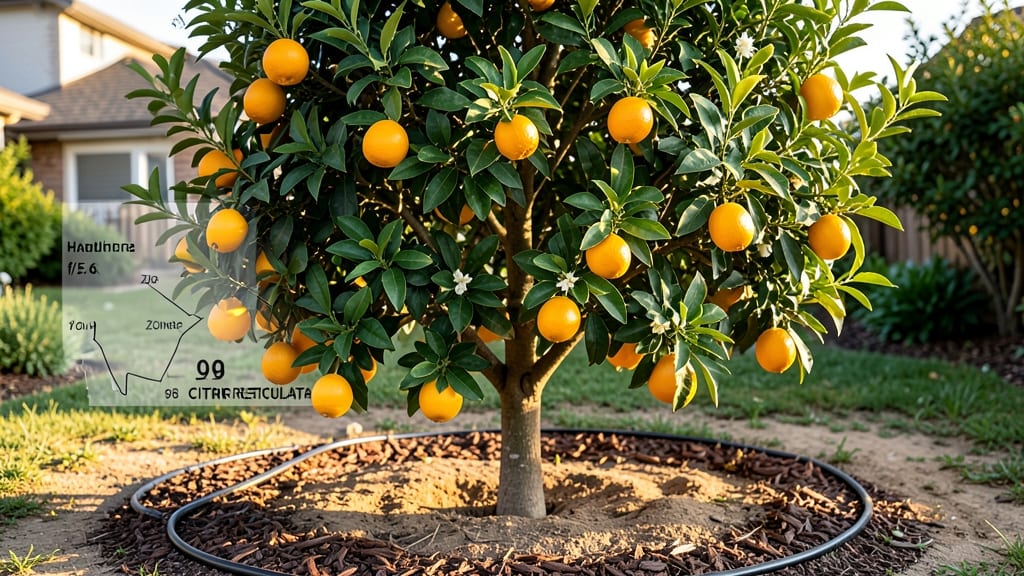
Zone 9 gardening thrives with heat-tolerant plants like bougainvillea, lantana, and okra, while prioritizing deep watering schedules—early morning or late evening—to conserve moisture and prevent fungal growth. Mulching and shade cloths further protect delicate species from extreme sun exposure.
Gardening in Zone 9 presents unique opportunities for growing vibrant, drought-resistant plants that thrive under intense sun. 🔥 The key is selecting species that naturally handle high temperatures, like bougainvillea for dramatic blooms or okra for productive harvests.
Unlike cooler climates, Zone 9 gardens need smart watering—deep soakings twice weekly rather than frequent light sprinkles—to encourage strong root systems. I’ve found that adding 3-4 inches of mulch around plants reduces evaporation and keeps soil temperatures stable, which is especially helpful during sudden heatwaves.
Another game-changer is using shade cloths for young or sensitive plants, like tomatoes or basil, during the hottest afternoon hours. This protects them without stunting growth, while still allowing plenty of sunlight for photosynthesis.
The goal is to mimic natural desert conditions where plants have adapted to survive with minimal water but maximum sun exposure.
💡 In This Article
- Best Heat-Resistant Plants for Zone 9 Gardens
- Zone 9 Watering Strategies to Beat the Heat
Zone 9 watering strategies to beat the heat
Zone 9’s relentless sun and dry air demand a watering approach that mimics natural desert ecosystems—where roots dive deep for moisture while minimizing surface evaporation. The key is deep watering, which means delivering 1-1.5 inches of water per week directly to the root zone rather than light surface sprinkles.
This encourages plants to develop extensive root systems that can access groundwater, reducing their reliance on frequent top-watering. 💧 For example, mature bougainvillea or lantana may only need watering every 7-10 days once established, while vegetables like okra or peppers require 2-3 times per week during peak heat (90°F+).
Timing matters just as much as volume—watering in the early morning (5-8 AM) or late evening (6-8 PM) prevents rapid evaporation and fungal risks. Midday watering wastes up to 30% of water due to heat and wind, while evening water can linger on leaves, promoting diseases like powdery mildew.
I’ve seen firsthand how drip irrigation systems with emitters placed at the base of plants deliver water slowly and efficiently, reducing runoff and keeping foliage dry. Soaker hoses are another excellent option, delivering a steady stream directly to the soil without wetting leaves.
Mulching is your secret weapon against moisture loss—applying 3-4 inches of organic mulch (like wood chips or straw) acts like a protective blanket, keeping soil temperatures 5-10°F cooler and reducing evaporation by up to 70%. This is especially critical during sudden heatwaves where temperatures can spike to 105°F+.
For container gardens, use mulch around the pot’s base and water when the top 1-2 inches of soil feel dry, as containers dry out much faster than in-ground plantings. 💫
Don’t overlook the role of soil composition—amending heavy clay with compost improves drainage and water retention, while sandy soils may require more frequent deep watering. A simple soil test can reveal whether your garden needs organic matter to hold moisture better.
For example, adding 2-3 inches of compost annually can improve water retention by 20-30% over time. Even native plants like desert marigold or agave benefit from occasional deep soakings to encourage deeper root growth, making them more resilient during droughts.
Advanced gardeners often use smart irrigation controllers that adjust watering based on real-time weather data, automatically reducing water during rain or high humidity. These systems can cut water usage by 30-50% while keeping plants thriving.
For a budget-friendly alternative, group plants with similar water needs together (e.g., succulents with other drought-tolerant species) and use a simple timer on your hose. The goal is consistency—better to water deeply and less often than shallowly and frequently. 💦
One common mistake is assuming all Zone 9 plants have the same water needs—while bougainvillea thrives on neglect once established, basil or lettuce will bolt in the heat without consistent moisture. Always check soil moisture 1-2 inches below the surface before watering; if it’s dry, it’s time.
For container gardens, weight is your guide—lift the pot; if it feels light, water immediately. These small adjustments make a world of difference in conserving water while keeping your garden lush and productive. ✨