
Size
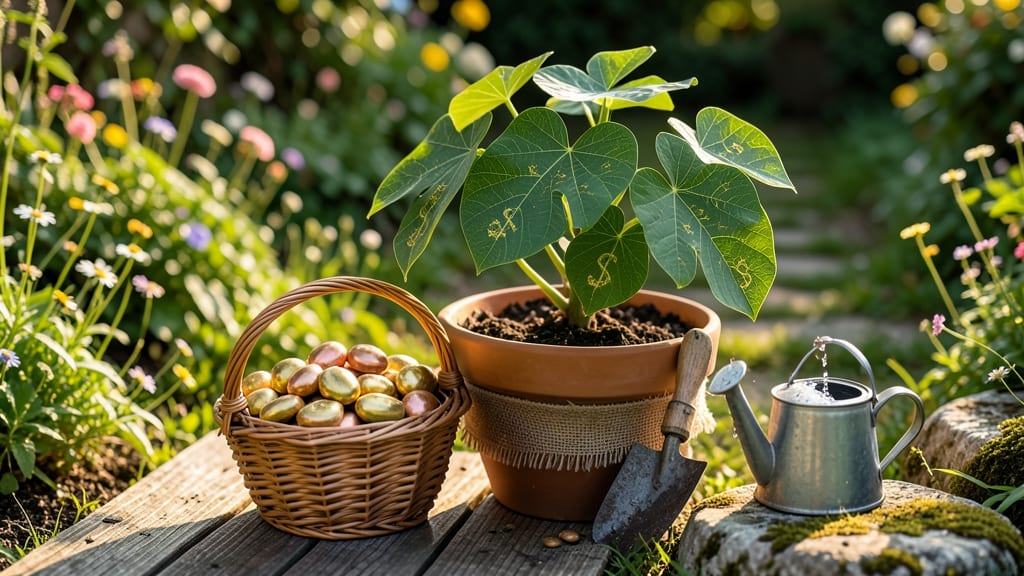
To give people money in a Grow-A-Garden program, use crowdfunding platforms like GoFundMe or Kickstarter, collaborate with local community groups, or apply for grants from gardening nonprofits and agricultural foundations. Set clear project goals and offer donor incentives like naming rights or harvest shares.
Funding community gardening projects is all about leveraging the right channels.
Crowdfunding platforms like GoFundMe or Kickstarter let you reach a broad audience, while local partnerships often provide deeper community engagement. 🌱 Many grants from agricultural foundations require detailed proposals, so I always recommend starting with smaller, more accessible funding options first.
The key is balancing immediate funding needs with long-term sustainability.
For example, GoFundMe works well for urgent needs, while grants can support ongoing operations. Partnering with local food banks or schools can also unlock additional resources. Always highlight the impact of donations—whether it's feeding families or reviving green spaces—to inspire generosity.
💡 In This Article
- Best Crowdfunding Platforms for Gardening Projects
- Grant Opportunities for Community Gardens
Best crowdfunding platforms for gardening projects
Crowdfunding platforms work by connecting your gardening initiative with donors who share your vision. GoFundMe stands out for its simplicity and broad reach, charging only 2.9% + $0.30 per transaction—ideal for urgent needs like buying seeds or tools.
The platform's algorithm also favors projects with strong visual storytelling, so high-quality photos of your garden space or community members working together can significantly boost visibility. 💛
Kickstarter, on the other hand, is better suited for projects with tangible rewards, like offering donors a share of the harvest or naming rights for garden beds. Their 5% fee is slightly higher, but the platform attracts donors who love supporting creative, mission-driven projects.
For example, a community garden that promised donors a "Garden Angel" plaque with their name and a season's worth of fresh produce raised $12,000 in just 30 days using this approach.
The key to success on these platforms lies in clear communication. Break down your funding needs into specific milestones—like $500 for soil amendments or $2,000 for raised garden beds—and explain how each dollar will be used.
Donors respond well to transparency, so include updates with progress photos and gratitude messages. For instance, a 30-second video showing volunteers planting seeds can increase donations by up to 40% compared to text-only campaigns.
For recurring support, Patreon offers a subscription model where donors pledge monthly contributions in exchange for perks like exclusive gardening tips or virtual tours of the garden. This works well for established projects with a loyal following.
Meanwhile, niche platforms like Indiegogo cater to community-driven initiatives with flexible funding options, including "Flexible Funding" where you can keep any funds raised, even if the goal isn't met. 🌱
Consider your audience when choosing a platform. GoFundMe excels for grassroots efforts, while Kickstarter attracts donors who enjoy backing innovative projects. Always test different approaches—like running a 1-week crowdfunding challenge—to see what resonates best with your community.
The right platform can turn a small seed of funding into a thriving garden of support.