
Blooming
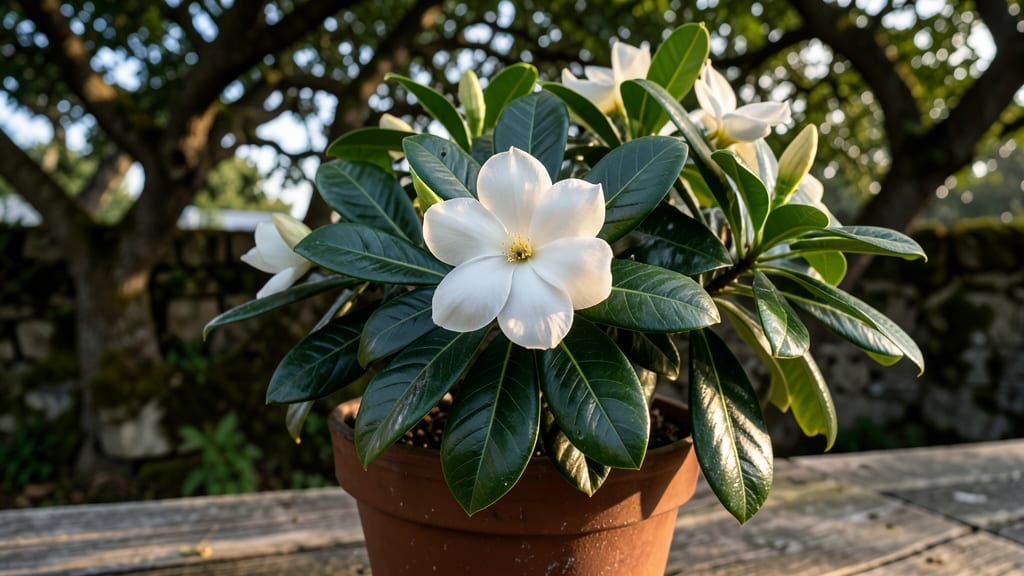
Gardenias bloom in Texas between late spring and early summer 🌸, with timing that shifts dramatically from the Hill Country to the Gulf Coast.
If you’ve ever dreamed of filling your Texas garden with the intoxicating scent of gardenias, timing is everything—these delicate blooms thrive on precise seasonal cues. But with Texas’ diverse climate zones, knowing exactly when to expect those fragrant white flowers can feel like solving a puzzle.
In North Texas (zones 8a-8b), blooms typically kick off in May, while Gulf Coast gardeners (zones 9a-10b) may see flowers as early as March. The difference? Heat, humidity, and a little help from gardeners who understand their plants’ needs.
Here’s your month-by-month guide to gardenia blooming seasons across Texas, plus pro tips to extend your floral display—because in the Lone Star State, the right care can turn a single burst of blooms into a season-long fragrance festival.
Texas gardenia blooming seasons by climate zone: a month-by-month breakdown
Texas gardenias rely on precise temperature cues to trigger their stunning white blooms, but the timing varies dramatically across the state’s three distinct climate zones. In North Texas (Zones 8a-8b), cooler winters delay blooms until late spring, while South Texas (Zones 9b-10b) gardeners often enjoy near-year-round fragrance.
Even Central Texas (Zone 8a-9a) sees a two-month shift between early and late bloomers. Understanding these patterns helps you anticipate peak fragrance and troubleshoot sparse blooms.
Most gardenias in Texas follow a spring-to-early-summer blooming cycle, but temperature thresholds—not calendar dates—dictate when buds open. A consistent 60-75°F range triggers flowering, while heatwaves above 90°F can shock buds prematurely. In cooler zones, second flushes sometimes appear in fall, though they’re less abundant.
Let’s break down what to expect month by month in each zone, plus how to encourage longer bloom seasons.
In North Texas, gardenias typically bloom from April to May, with early varieties pushing buds as early as late March in sheltered microclimates. The Hill Country’s cooler nights (below 55°F) can delay blooming until May in some years.
If your gardenia skips spring blooms entirely, check for over-fertilizing with nitrogen—this promotes leafy growth at the expense of flowers. A balanced 10-10-10 fertilizer in early spring encourages blooms instead.
Central Texas gardeners enjoy the earliest blooms in Texas, often seeing buds open by February in Austin and San Antonio. The Edwards Plateau’s dry climate can cause buds to drop if not watered consistently, so deep watering 2-3 times per week during bloom season is critical.
Some varieties, like ‘Kleim’s Hardy’, may produce a second flush in late summer if given proper care after the first bloom cycle.
South Texas gardenias are the most forgiving about timing, with coastal areas like Corpus Christi enjoying blooms from January through April and again in fall (October-November).
The Gulf Coast’s humidity actually helps gardenias thrive, but avoid overhead watering to prevent fungal issues. In Rio Grande Valley (Zone 10b), some garden
How to extend gardenia blooms in Texas: pruning, fertilizing, and care hacks
Texas gardenias thrive when you give them the right care at the right time. The key to longer blooming seasons lies in understanding their pruning needs, soil preferences, and watering schedules.
Unlike many plants, gardenias respond poorly to harsh pruning or inconsistent care—so let’s focus on gentle, strategic techniques that keep those fragrant blooms coming.
First, let’s tackle the biggest blooming killers in Texas: over-pruning, alkaline soil, and irregular watering. These three mistakes alone can shorten your gardenia’s bloom cycle by 50% or more. The good news? Fixing them is simpler than you think—and the results are worth it.
- Prune after blooming (never in summer heat) to avoid stressing the plant.
- Use acidic fertilizer (pH 5.0-6.5) every 4-6 weeks in spring/summer.
- Water deeply in mornings (1-2 gallons per plant) to prevent fungal blooms.
- Avoid alkaline soil—test pH and amend with sulfur if needed.
- Mulch heavily (3-4 inches) to retain moisture and cool roots.
Let’s start with pruning, the most critical step for encouraging repeat blooming. Many gardeners make the mistake of pruning gardenias in late summer or early fall, which triggers new growth that won’t have time to harden off before winter.
Instead, prune right after the first flush of blooms (typically April-May in North Texas or March-April in South Texas).
When pruning, focus on shaping the shrub and removing dead or crossing branches. Never cut more than 1/3 of the plant at once—this can shock the gardenia and reduce next year’s blooms.
Use sterilized shears to prevent bacterial infections, and always prune just above a leaf node to encourage new growth.
Next, let’s talk fertilizing, which is where most Texas gardeners go wrong. Gardenias are heavy feeders but hate alkaline soil. If your soil pH is above 6.5, blooms will suffer—even with perfect pruning.
Test your soil annually and amend with elemental sulfur or peat moss to keep pH in the 5.0-6.0 range.
For fertilizing, use a balanced acidic fertilizer (like 10-10-10 with sulfur) every 4-6 weeks from March through August. Skip fertilizing in fall and winter—this gives the plant time to rest and store energy for next year’s blooms.
A little goes a long way: over-fertilizing leads to lush foliage but fewer flowers.
Finally, watering is the secret weapon for Texas gardenias. These plants love moisture but hate soggy roots. Water deeply in the morning (1-2 gallons per plant) to encourage strong root growth.
In summer heat, you may need to water every 2-3 days, but always check the soil first—dry topsoil doesn’t mean the roots are thirsty. Mulch with 3-4 inches of organic matter to lock in moisture and keep roots cool.
With these Texas-specific care hacks, your gardenias can bloom continuously from spring through fall—or even year-round in warmer zones like the Gulf Coast. The key is consistency: prune at the right time, feed with acid-loving fertilizer, and water like a pro.
Your garden will thank you with fragrant, long-lasting blooms that make your Texas garden the envy of the neighborhood. 🌸