
Companion Plants
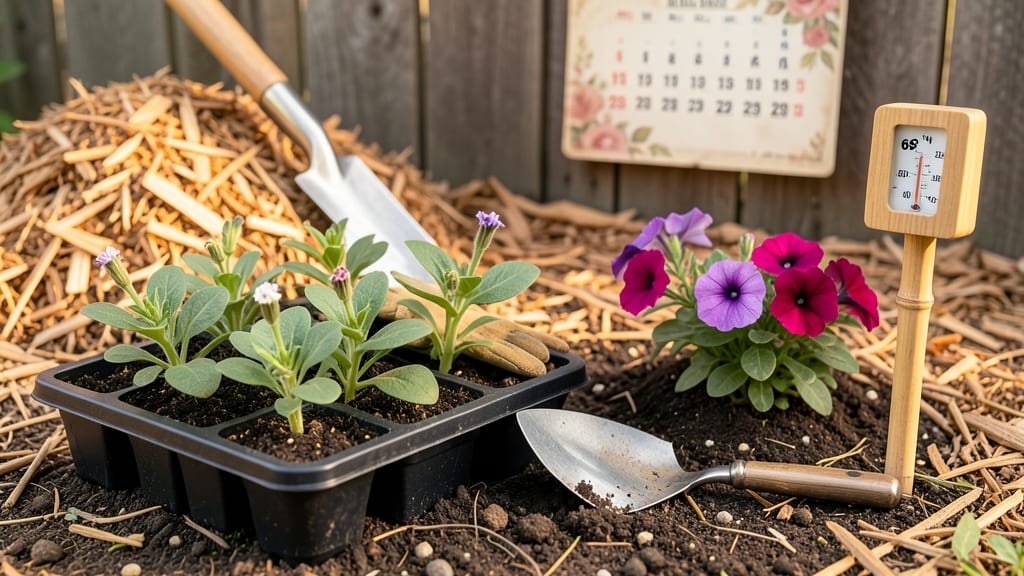
Knowing when to plant a garden in East Tennessee means timing cool-season crops like broccoli and kale for early spring (March-April) and fall (September-October), while warm-season plants such as tomatoes and peppers should wait until after your last frost date (usually mid-May). Always verify your local frost dates, which typically range from late April to early May.
Timing your garden in East Tennessee comes down to understanding your USDA hardiness zones (6b-7a), which shape when frost arrives and departs. 🌱 The mountainous regions tend to have later springs and earlier falls than valley areas, so checking your exact microclimate is key.
For example, while most of Knoxville falls in zone 7a with an average last frost around April 20th, higher elevations might see frost lingering until May 5th. This variation means your neighbor's planting schedule might not match yours—always consult the Tennessee State University Extension Service for localized advice.
The humid subtropical climate here also means warm-season crops like okra and sweet potatoes thrive when soil temperatures hit 65°F or above, usually by early May.
Pro tip: Start cool-season crops indoors in January-February for a head start, while warm-season plants benefit from direct sowing after Memorial Day when soil is consistently warm.
The key is matching your planting to the 30-day frost-free window—anything planted too early risks damage, while waiting too long cuts your harvest season short. For container gardens or raised beds, you can push these windows slightly by using black plastic mulch to warm the soil faster.
💡 In This Article
- East Tennessee Frost Dates and Planting Zones
- Best Planting Schedule for East Tennessee Gardens
East Tennessee frost dates and planting zones
East Tennessee's planting windows are shaped by its USDA hardiness zones 6b-7a, where average last spring frost dates range from April 15-25 and first fall frosts arrive between October 10-20.
The mountainous regions like the Smoky Mountains (zone 6b) experience later springs and earlier falls than valley areas like Knoxville (zone 7a), creating microclimates that can shift planting by 2-3 weeks.
For example, while Knoxville gardeners might plant tomatoes after April 25, those in higher elevations near Gatlinburg should wait until May 10 to avoid frost damage.
The key mechanism here is how elevation affects temperature.
Every 1,000 feet gain in elevation drops temperatures by about 3.5°F, which is why frost dates vary dramatically across the region. 🌡️ The Tennessee Valley Authority's climate data shows that Chattanooga's last frost is typically 5 days earlier than Asheville's due to its lower elevation.
This variation means gardeners should verify their exact frost dates using the National Weather Service's frost calendar or local extension service records rather than relying on general regional averages.
For cool-season crops like broccoli and peas, you can start seeds 4-6 weeks before your last frost date indoors or in cold frames. The soil temperature threshold for germination is 40-50°F—below this, seeds may rot or fail to sprout.
Warm-season crops like squash and beans, however, need soil temperatures above 60°F for consistent germination, which usually occurs after May 1 in most of East Tennessee. The 30-day frost-free window becomes your critical planning tool—anything planted too early risks damage, while waiting too long shortens your harvest season.
Here's what's actually happening in your garden soil: Cold temperatures slow microbial activity, delaying nutrient availability. When you plant cool-season crops too early, the soil's nitrification process (converting ammonia to nitrate) grinds to a halt below 45°F, starving your plants of essential nitrogen.
Conversely, warm-season crops need active soil microbes to break down organic matter and release nutrients at the right pace—hence the 60°F minimum requirement.
This is why black plastic mulch works so well in East Tennessee: it raises soil temperatures by 5-10°F, creating microenvironments that extend planting windows by 10-14 days.
Don't overlook the first fall frost either—it's not just about spring planting. In zone 7a, this typically occurs around October 15, giving you a 120-day growing season for warm-season crops. This means you can still plant beans and cucumbers in early July for a late-summer harvest.
The humid subtropical climate here also means you'll need to account for 30-40% more water during summer months compared to spring, as evaporation rates climb with temperatures. 💦
For precise planning, use these zone-specific guidelines:
- Zone 6b (mountainous areas): Last frost May 1-10, first fall frost October 5-15
- Zone 7a (valleys/cities): Last frost April 15-25, first fall frost October 10-20
- Zone 7b (southern regions): Last frost April 1-15, first fall frost October 20-30