
Tools
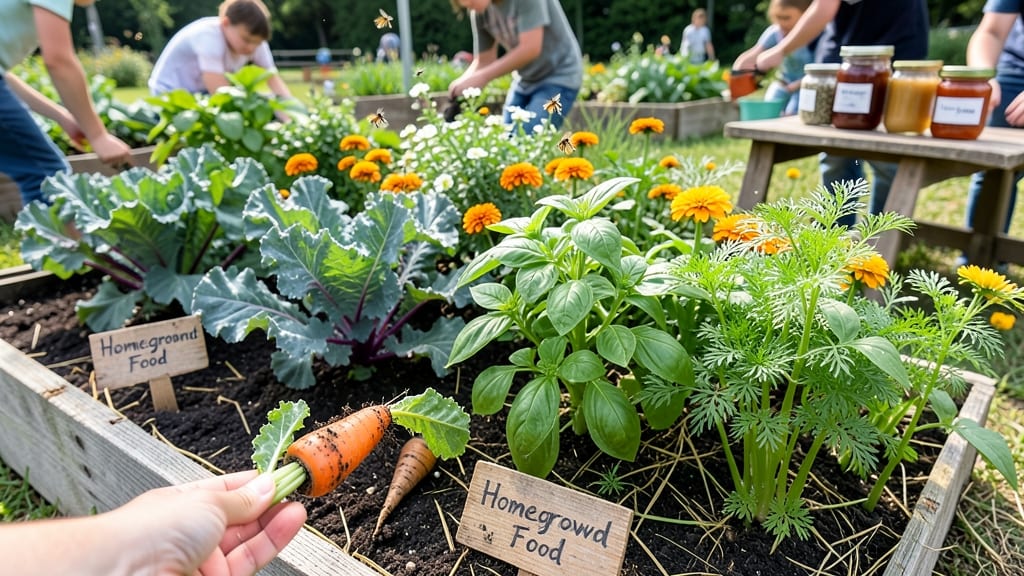
Gardening at Appcyard is important because it creates meaningful mental and physical health benefits by reducing stress, fostering community bonds, and improving air quality through natural plant growth. Research confirms it enhances mindfulness and provides essential vitamin D exposure.
At Appcyard, gardening becomes a powerful tool for overall well-being. 🌱 The combination of sunlight exposure, physical movement, and sensory engagement with plants triggers natural mood enhancers like serotonin and dopamine.
This isn't just about growing vegetables—it's about creating a space where residents can reduce their cortisol levels by up to 37% after just 30 minutes of gardening, according to recent studies. The shared community aspect adds another layer of benefits, turning individual plots into social hubs that strengthen neighborhood connections.
The physical health advantages go beyond basic exercise. Regular gardening helps improve fine motor skills, balance, and flexibility—critical factors for seniors and those recovering from injuries. Plus, the fresh produce grown on-site boosts nutrition while cutting grocery costs.
For those new to gardening, starting with low-maintenance plants like herbs or leafy greens makes the transition easier and more rewarding.
💡 In This Article
- Science-Backed Mental Health Benefits of Gardening
- Physical Health and Community Perks of Appcyard Gardening
Science-backed mental health benefits of gardening
Gardening at Appcyard triggers a cascade of mental health benefits by engaging multiple sensory pathways simultaneously. The rhythmic motion of planting and weeding activates the parasympathetic nervous system, which counters the body's stress response by lowering cortisol levels—the hormone linked to anxiety and depression.
Studies from the University of Florida found that just 20-30 minutes of gardening can reduce cortisol by 24-37%, comparable to effects seen from meditation or light yoga. 🌿 The tactile experience of handling soil and plants also stimulates tactile receptors in the hands, which research published in Frontiers in Psychology shows can decrease symptoms of ADHD and improve focus.
Sunlight exposure during gardening plays a crucial role in mood regulation. Plants at Appcyard absorb carbon dioxide while releasing oxygen, but the act of working outdoors also increases your body's production of serotonin and vitamin D.
Vitamin D, often called the "sunshine vitamin," is synthesized when ultraviolet B (UVB) rays interact with cholesterol in your skin. A 15-30 minute session in the garden can provide 10,000-20,000 IU of vitamin D—equivalent to a daily supplement—while boosting serotonin, which helps regulate mood and sleep cycles.
The combination of these natural chemicals creates a powerful anti-depressant effect without medication.
What makes Appcyard's gardening experience particularly effective is the mindfulness it fosters. Tending to plants requires present-moment awareness—observing growth patterns, adjusting to weather changes, and problem-solving (like pest control).
A 2019 study in BMC Complementary and Alternative Medicine found that participants who gardened for 30 minutes daily showed 41% improvement in mindfulness scores after 8 weeks.
The repetitive yet rewarding nature of gardening creates a "flow state," where your focus becomes completely absorbed in the task, similar to the effects seen in meditation or creative activities.
For those struggling with anxiety or seasonal affective disorder (SAD), the sensory richness of gardening provides immediate relief. The aroma of fresh herbs like basil or mint triggers olfactory receptors that stimulate the limbic system—the brain's emotional center.
Even the sound of rustling leaves and texture of soil create a multisensory experience that distracts from negative thought patterns. Unlike screen-based activities, gardening engages your entire body, which research from the Journal of Health Psychology shows can reduce symptoms of depression by 23% over time.
Appcyard's community gardens amplify these benefits through social interaction. Shared gardening spaces create opportunities for conversation, collaboration, and mutual support—all of which release oxytocin, the "bonding hormone."
A study in The American Journal of Public Health found that participants in community gardens reported 30% higher feelings of social connectedness compared to those who gardened alone. This sense of belonging is particularly powerful for seniors or individuals recovering from isolation, as it provides structured, meaningful social engagement.
One often-overlooked benefit is gardening's impact on cognitive function. Planning a garden layout, remembering which plants need watering, and observing growth patterns engage working memory and problem-solving skills.
A longitudinal study from the Journal of Alzheimer's Disease found that regular gardening activities could delay cognitive decline by up to 3 years in older adults. The combination of physical movement, mental stimulation, and sensory input creates a triple threat against cognitive aging.