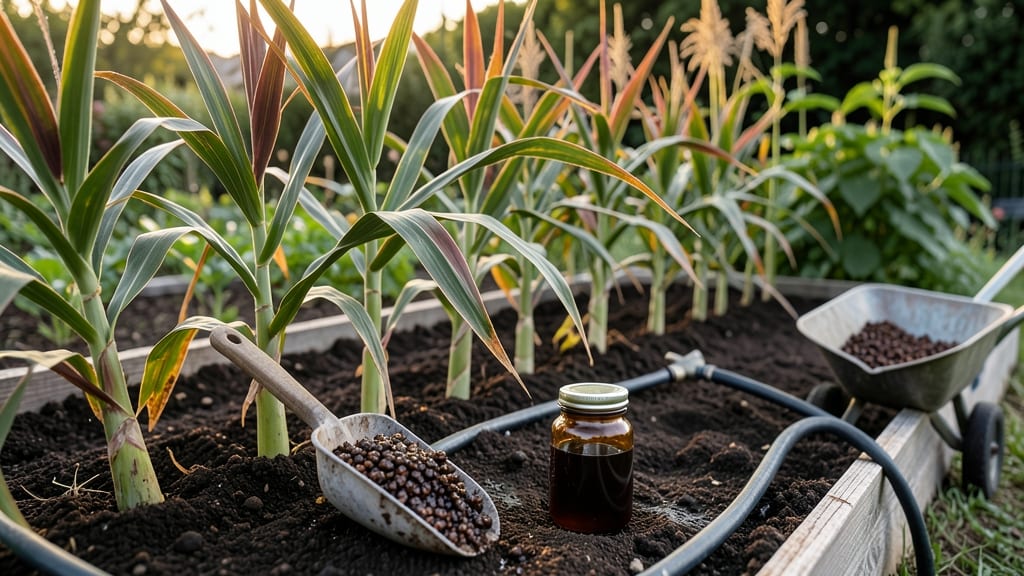
💥 Quick Answer Using molasses in the garden serves as a dual-purpose organic solution that feeds beneficial insects like ladybugs and bees while deterring pests such as slugs and aphids. A diluted mixture (1-2…
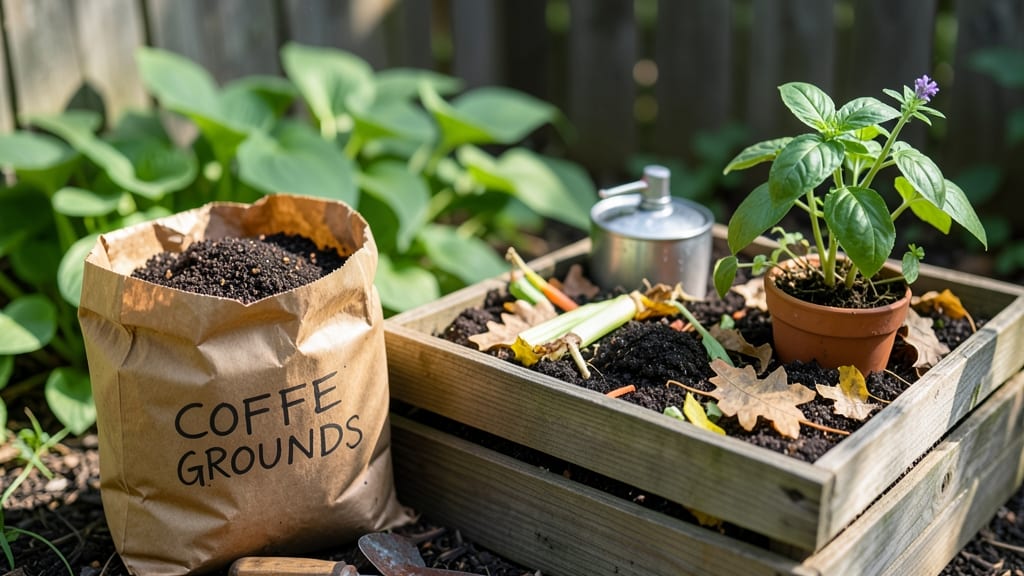
💥 Quick Answer Using coffee grounds as garden fertilizer adds nitrogen-rich organic matter to soil, improving moisture retention and microbial activity while repelling pests like slugs and snails. Spread dried grounds…
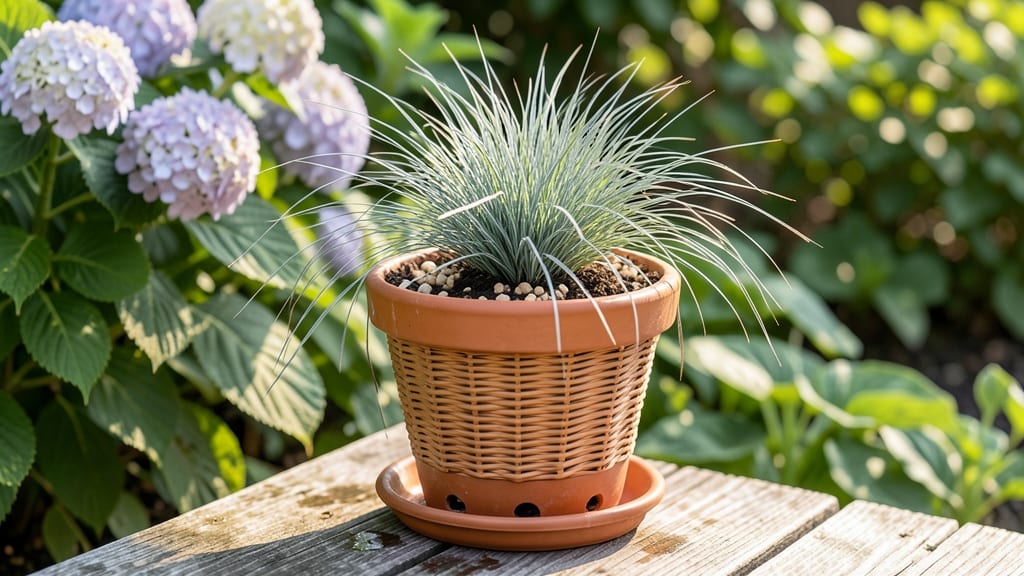
💥 Quick Answer 15-gallon garden pots offer ideal root space and drainage for medium-sized plants like tomatoes, peppers, or small shrubs, delivering about 15 cubic feet of volume while requiring 4-6 drainage holes to…
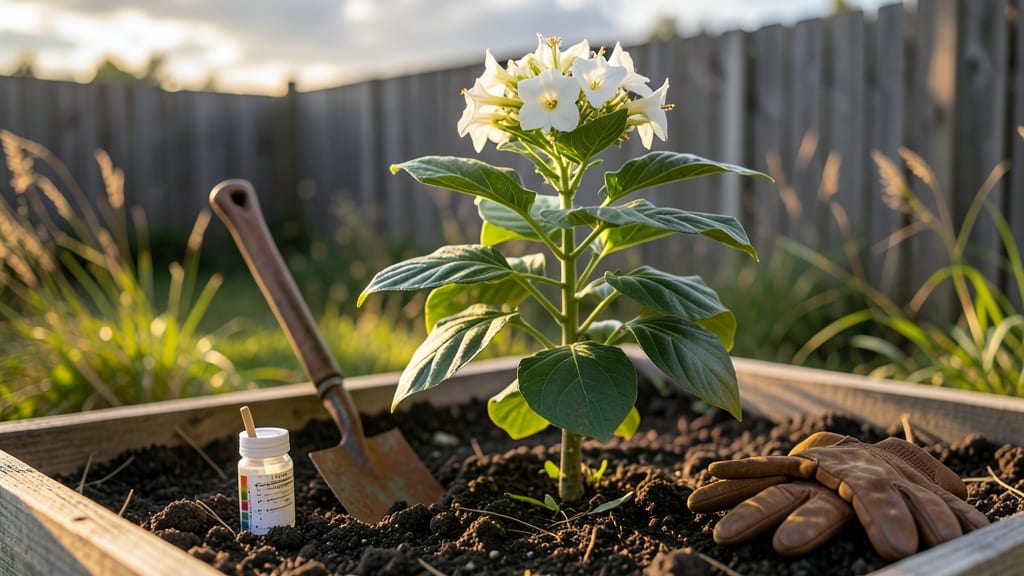
💥 Quick Answer You can grow tobacco in your garden, but strict regulations apply: verify your state's laws first, as many require permits or prohibit cultivation entirely. Plant in well-draining, slightly acidic soil…
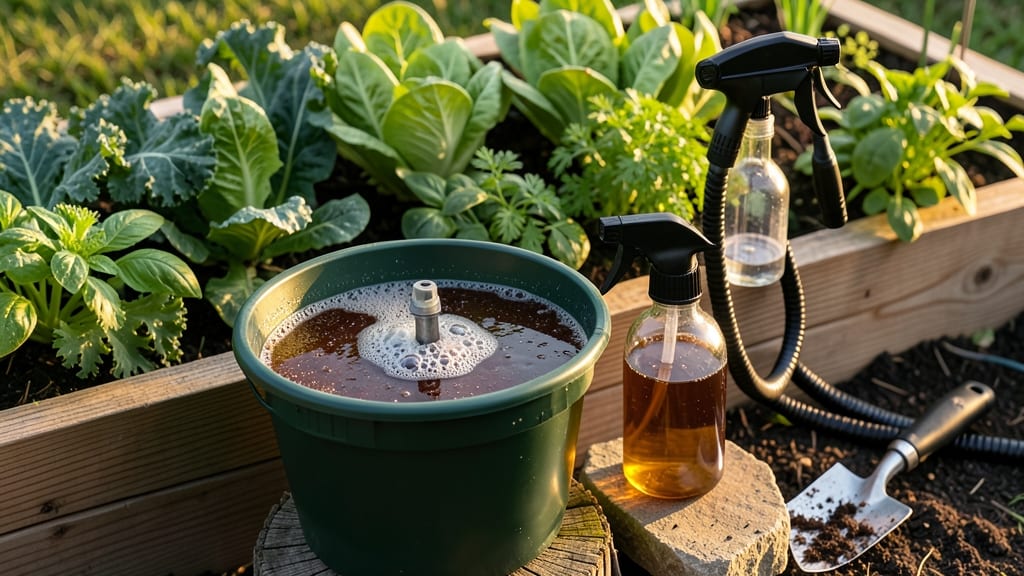
💥 Quick Answer Creating compost tea for garden means soaking well-aged compost in water for 24-48 hours to extract nutrients, then straining and diluting the liquid to prevent over-fertilizing plants. This…
💥 Quick Answer The Fenway Victory Gardens in Boston produced over 50,000 pounds of fresh produce during WWII by transforming vacant lots into high-yield urban farms through community collaboration and efficient growing…
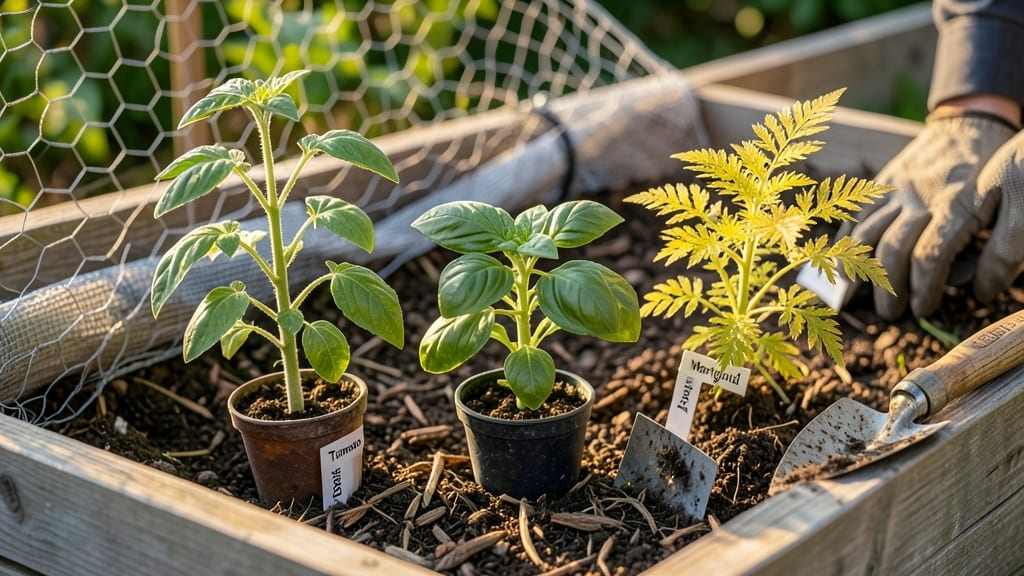
💥 Quick Answer Using garden and plant mesh creates a protective barrier that safeguards young plants from insects, wind, and intense sunlight while maintaining airflow and moisture access to roots, ensuring strong…
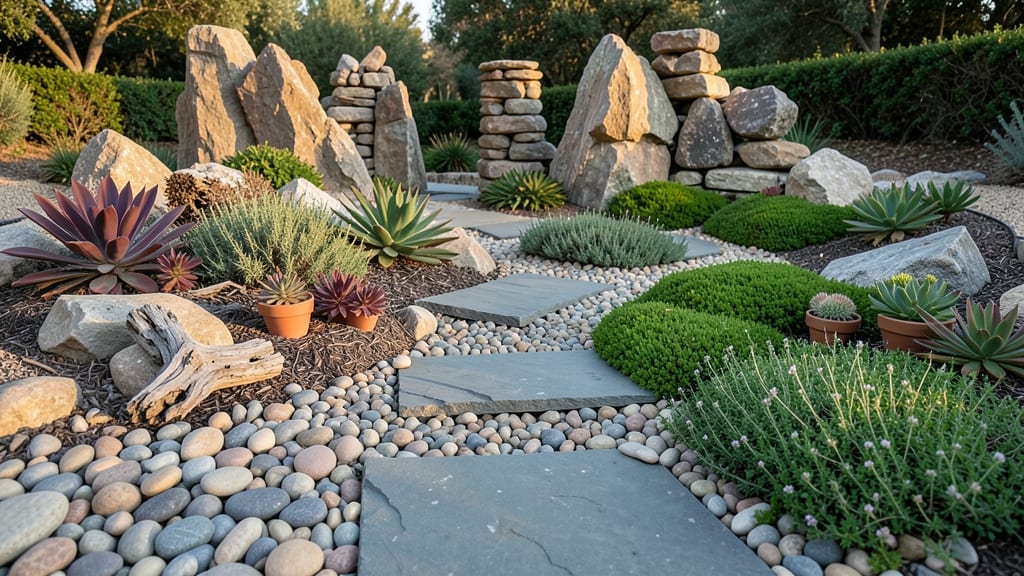
💥 Quick Answer Garden ideas using stones transform outdoor spaces into low-maintenance, visually striking landscapes by creating pathways, borders, or focal points with natural or decorative rocks. Flat stones work…
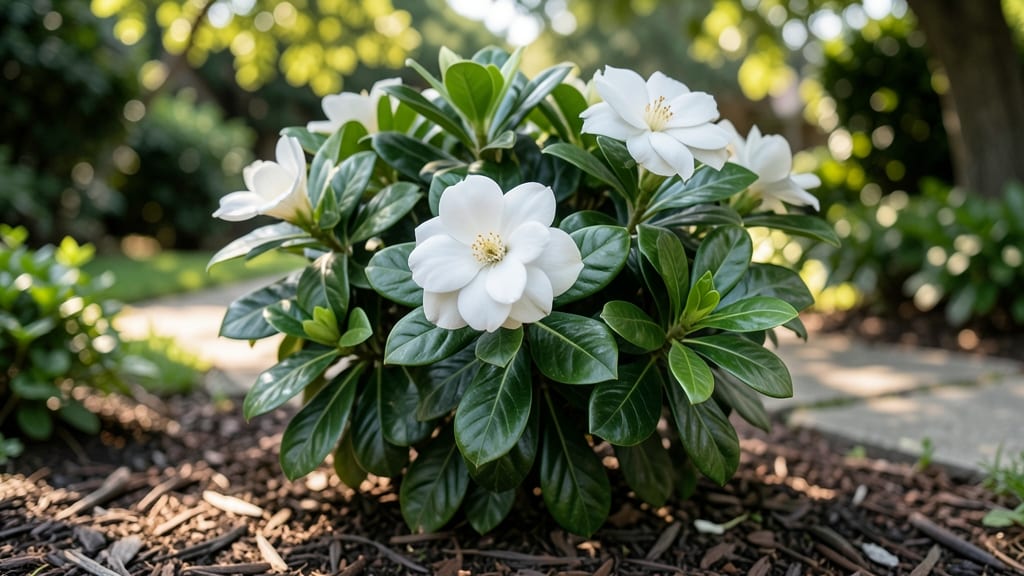
Understanding a gardenia’s mature height and width is the key to shaping it into the fragrant, manageable shrub you envision 🌸 — and avoiding the overgrown mess that ruins the look. If you're dreaming of fragrant white…
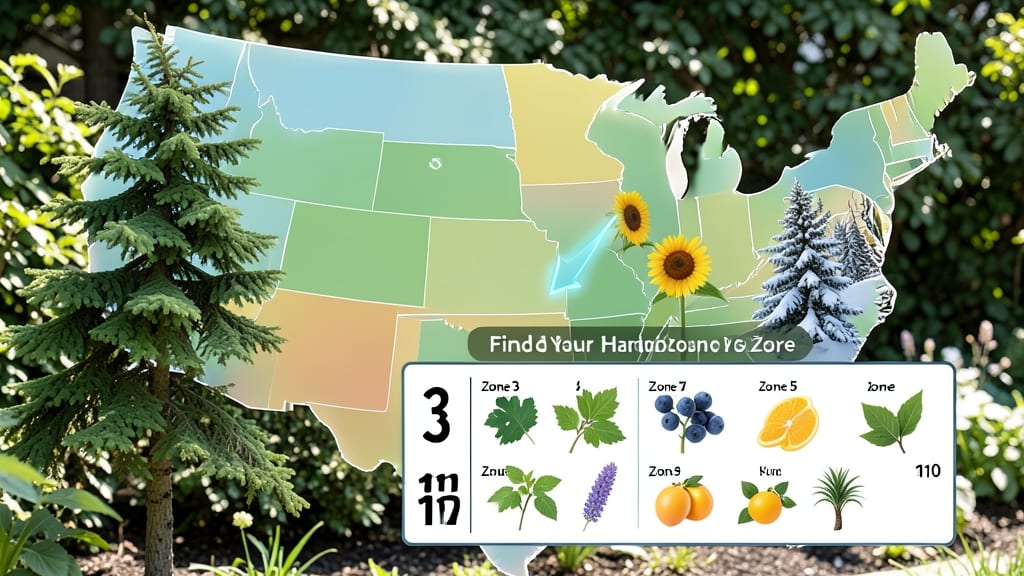
💥 Quick Answer To find your gardening zones by zip, use the USDA Plant Hardiness Zone Map by entering your location, which reveals your 5-11 zone range (like Zone 7a) based on coldest winter temperatures. This zone…
I still remember the thrill of watching my first tomato plant sprout from a seed I planted in a tin can. My grandfather taught me that gardening isn’t just about growing plants—it’s about patience, curiosity, and a little bit of magic.
This site is where I share the lessons I’ve learned over the years, from the joy of a well-tended garden to the quiet satisfaction of turning seeds into something beautiful. Here, you’ll find practical tips, heartfelt stories, and a space to celebrate the simple pleasures of working with the earth.