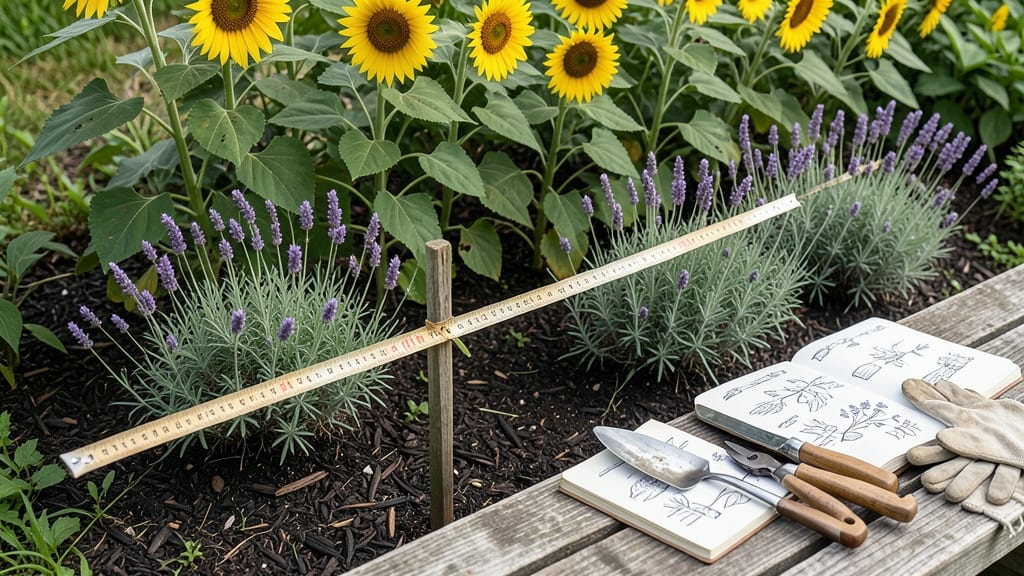
💥 Quick Answer Figuring out the size of a garden requires measuring in square feet (length × width) for planting areas or linear feet (perimeter) for fencing and borders. Square footage determines how much space you…
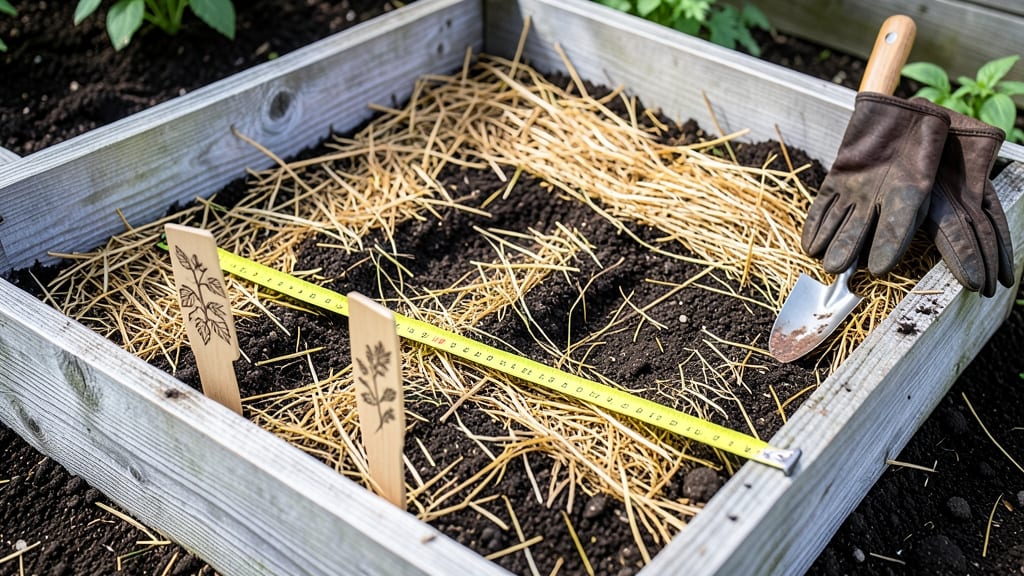
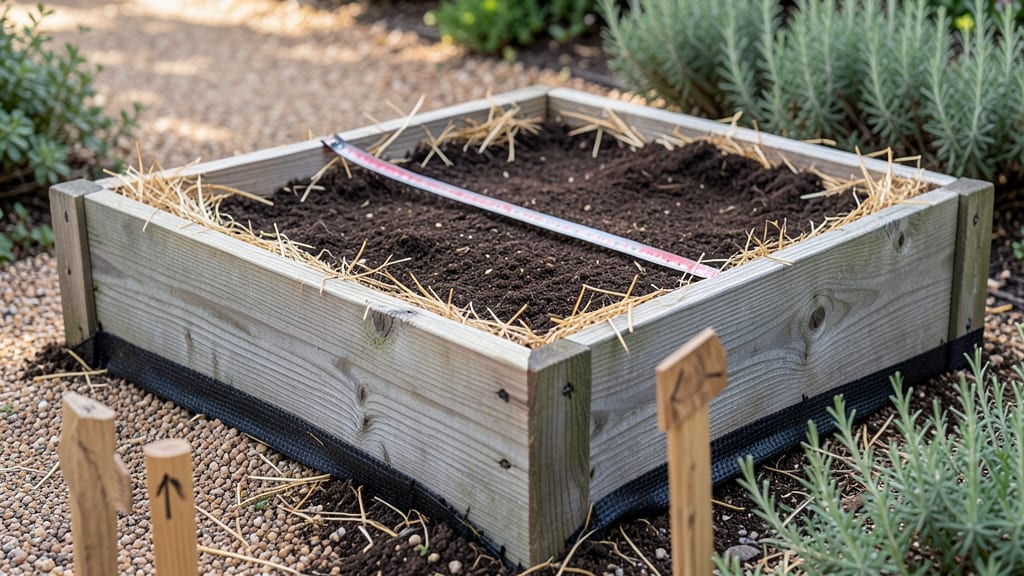
💥 Quick Answer Standard garden bed sizes are designed to be 4 feet wide, 8 to 12 feet long, and 6 to 12 inches deep, creating the perfect balance between accessibility, soil health, and efficient planting space. These…
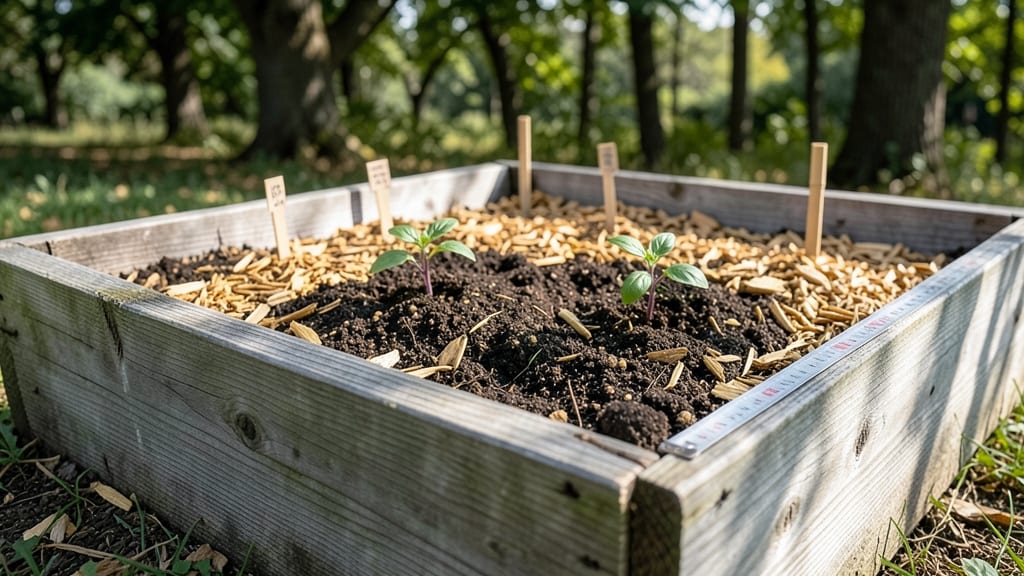
💥 Quick Answer The most effective standard raised garden bed size is 4 feet wide by 8 to 12 feet long, with a depth of 6 to 12 inches, designed to maximize plant health, accessibility, and soil efficiency. These…
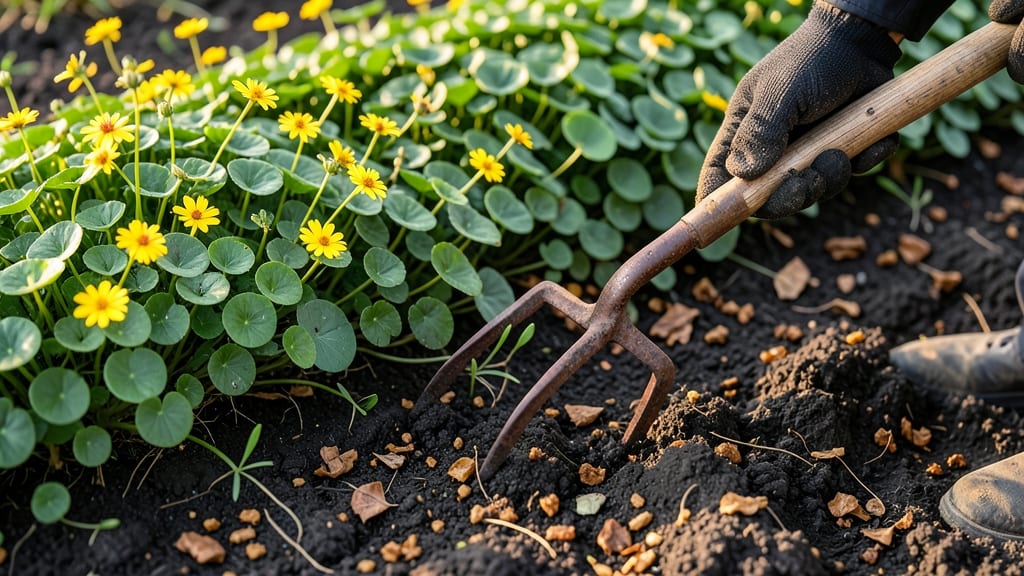
💥 Quick Answer Till the garden meaning involves loosening soil to break up compacted earth, eliminate weeds, and mix in compost or organic material—creating ideal conditions for planting by improving water absorption…
💥 Quick Answer Typical raised garden bed sizes are most commonly 4’ x 8’ , but standard options range from 3’ x 6’ to 4’ x 12’ , with a recommended depth of 6–12 inches for optimal plant growth. These dimensions aren't…
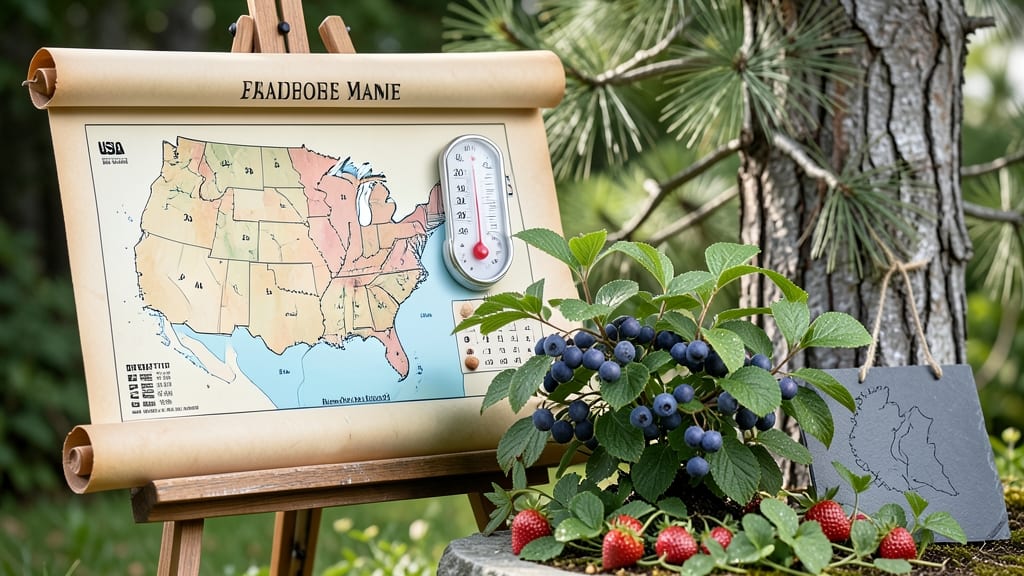
💥 Quick Answer What gardening zone is Maine in? It falls within USDA Hardiness Zones 4 through 6, with coastal regions primarily in Zone 5, inland areas—including northern counties—in Zone 4, and parts of York and…
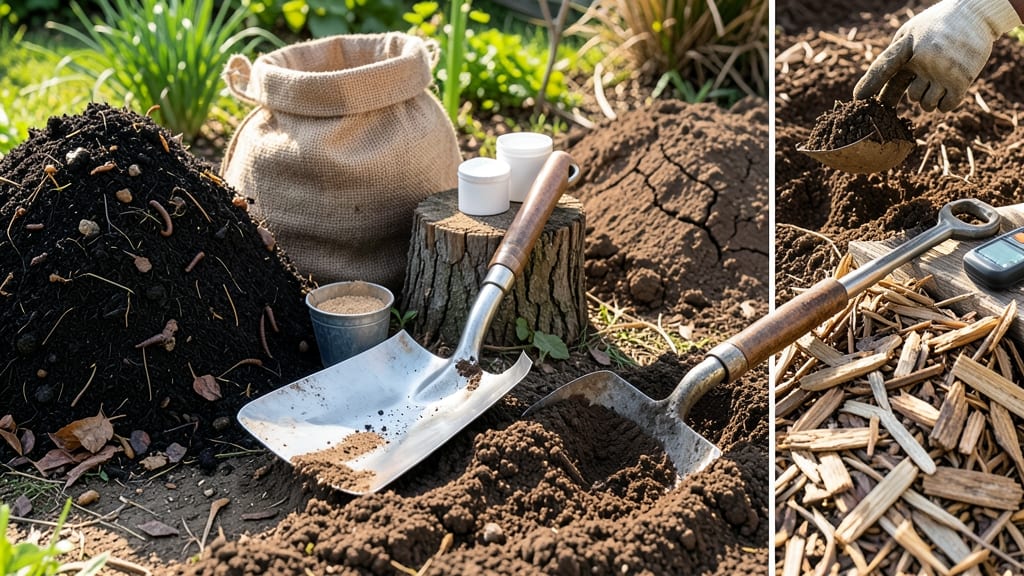
💥 Quick Answer To improve clay garden soil, add organic amendments like compost, aged manure, or leaf mold to break up compaction and enhance nutrient retention. For better drainage, incorporate coarse sand or perlite…
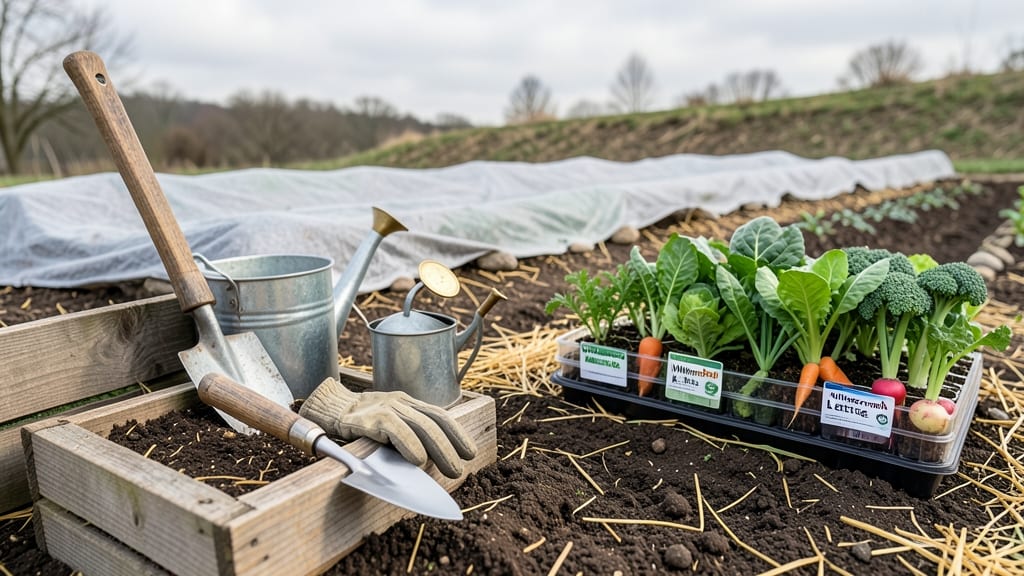
Planting a fall garden in Texas requires timing it just right—between the brutal summer heat and the first frost, which can arrive as early as November in some regions. Texas gardeners know the summer heat can be…
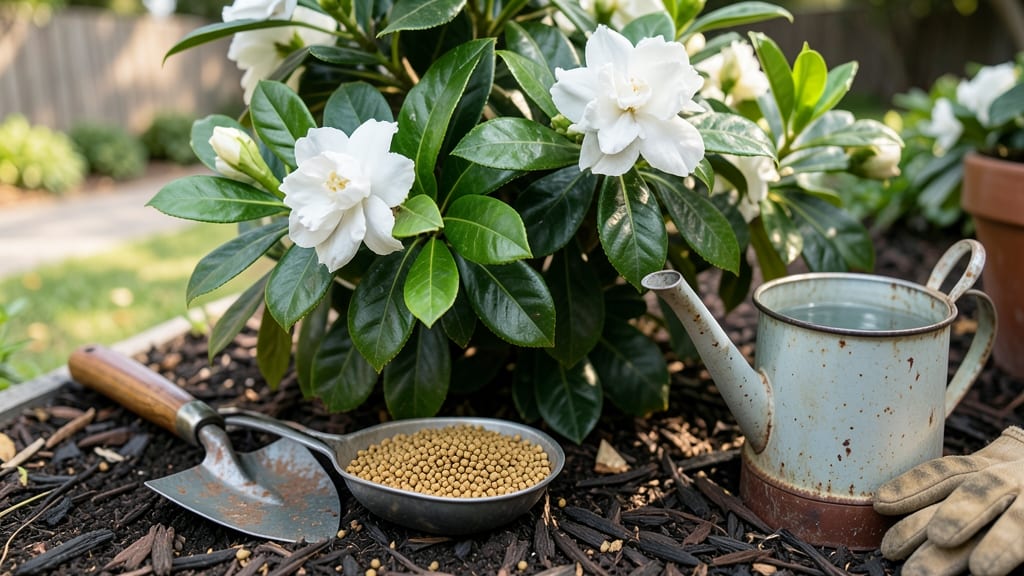
To fertilize gardenias at the right time means feeding them just as their blooms begin to form—typically in early spring and again in mid-summer , when they need that extra nutrient push for vibrant flowers. Picture…
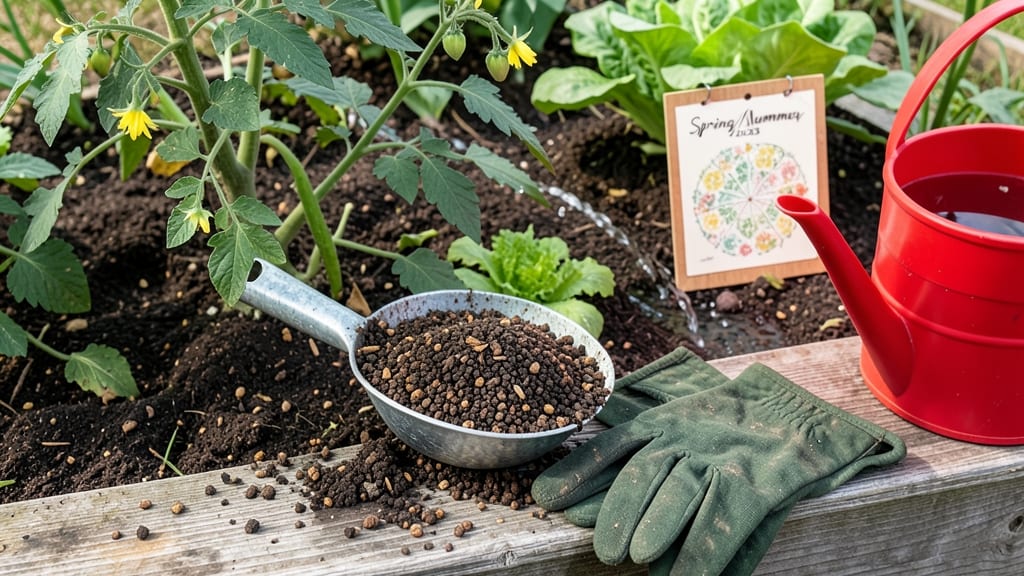
💥 Quick Answer To fertilize a vegetable garden, time applications based on soil tests and crop types: add organic fertilizer in early spring before planting, feed leafy greens every 3-4 weeks mid-season, and use…
I still remember the thrill of watching my first tomato plant sprout from a seed I planted in a tin can. My grandfather taught me that gardening isn’t just about growing plants—it’s about patience, curiosity, and a little bit of magic.
This site is where I share the lessons I’ve learned over the years, from the joy of a well-tended garden to the quiet satisfaction of turning seeds into something beautiful. Here, you’ll find practical tips, heartfelt stories, and a space to celebrate the simple pleasures of working with the earth.