I still remember the thrill of watching my first tomato plant sprout from a seed I planted in a tin can. My grandfather taught me that gardening isn’t just about growing plants—it’s about patience, curiosity, and a little bit of magic. This site is where I share the lessons I’ve learned over the years, from the joy of a well-tended garden to the quiet satisfaction of turning seeds into something beautiful. Here, you’ll find practical tips, heartfelt stories, and a space to celebrate the simple pleasures of working with the earth.
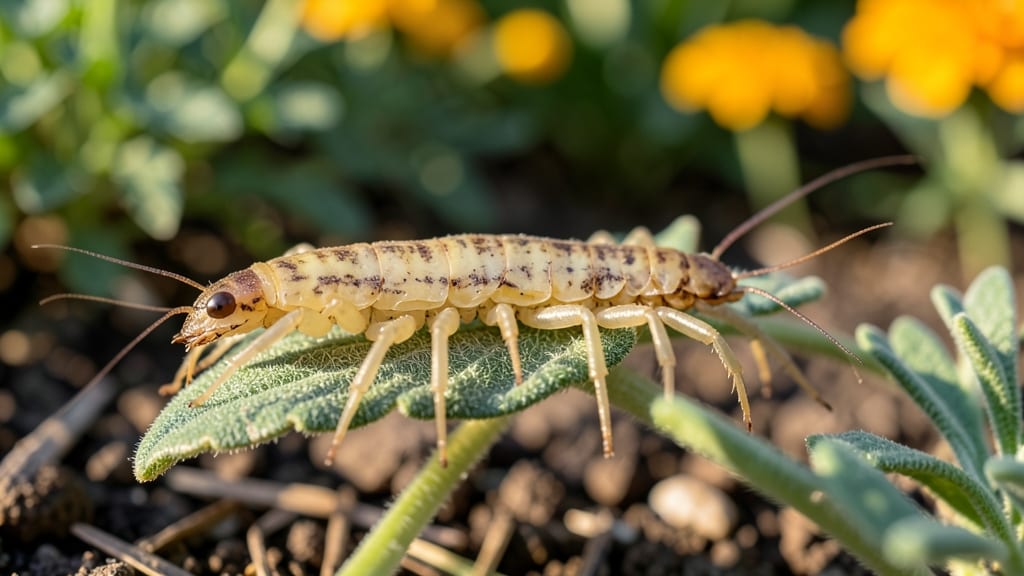
💥 Quick Answer Centipedes in gardens aren't inherently bad—they're natural pest controllers that target slugs, snails, and soft-bodied insects, but overpopulated areas may see them occasionally preying on earthworms or…
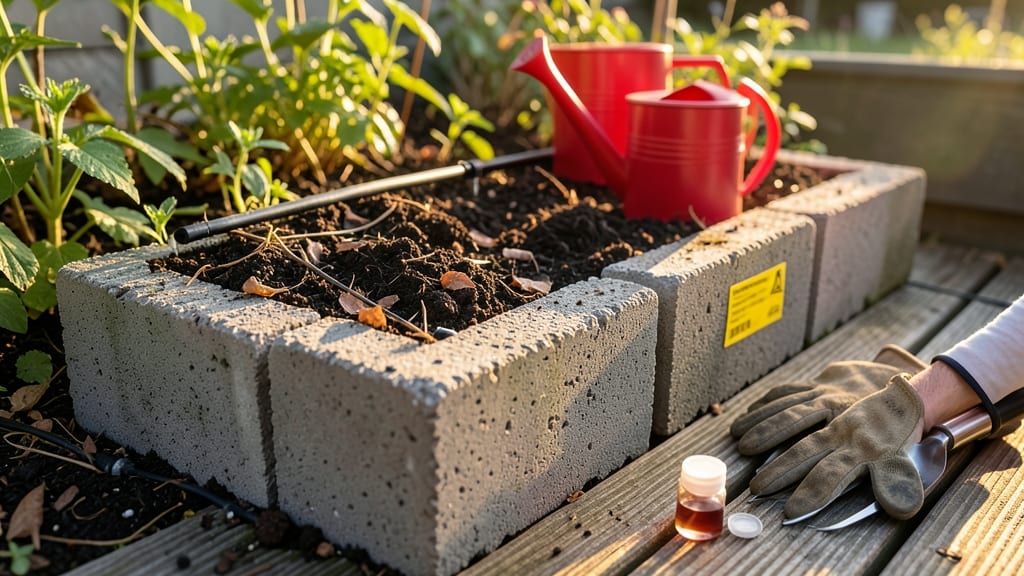
💥 Quick Answer Cinder blocks are not safe for vegetable gardens because they leach alkaline minerals, raising soil pH and creating inhospitable conditions for most edible plants. Their porous structure also retains…
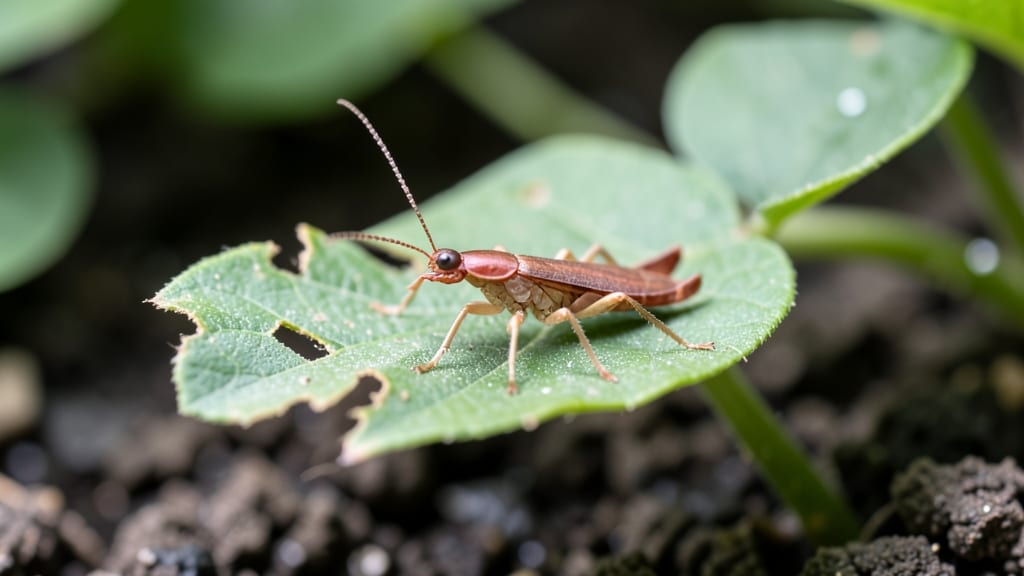
💥 Quick Answer Earwigs aren't inherently bad for gardens—they primarily help by consuming decaying plant matter and soft-bodied pests like aphids while rarely causing significant damage to mature plants. Their…
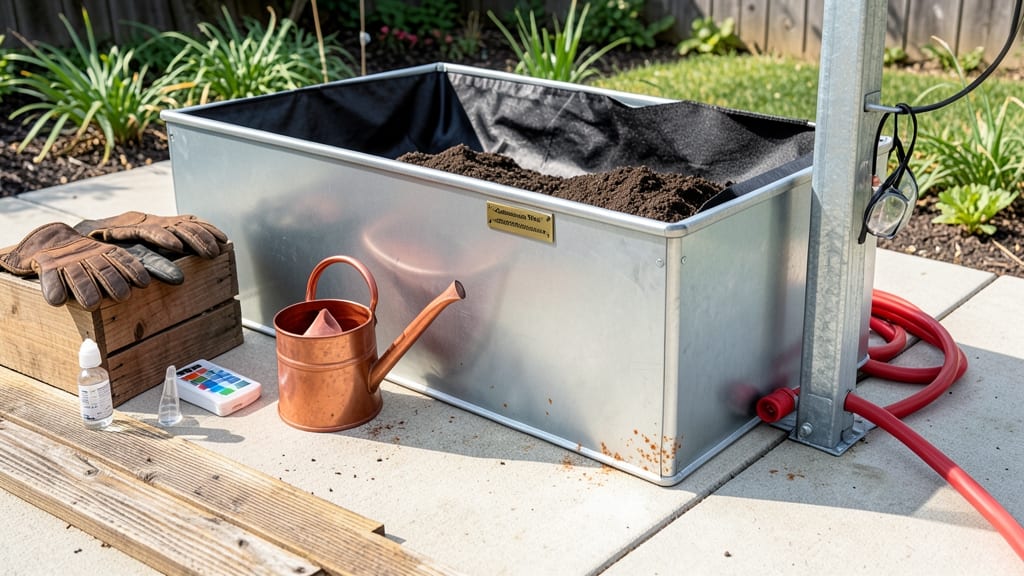
💥 Quick Answer Galvanized garden beds are not safe for growing edible plants because their zinc and cadmium coatings leach into the soil over time, potentially contaminating crops and posing health risks. For edible…
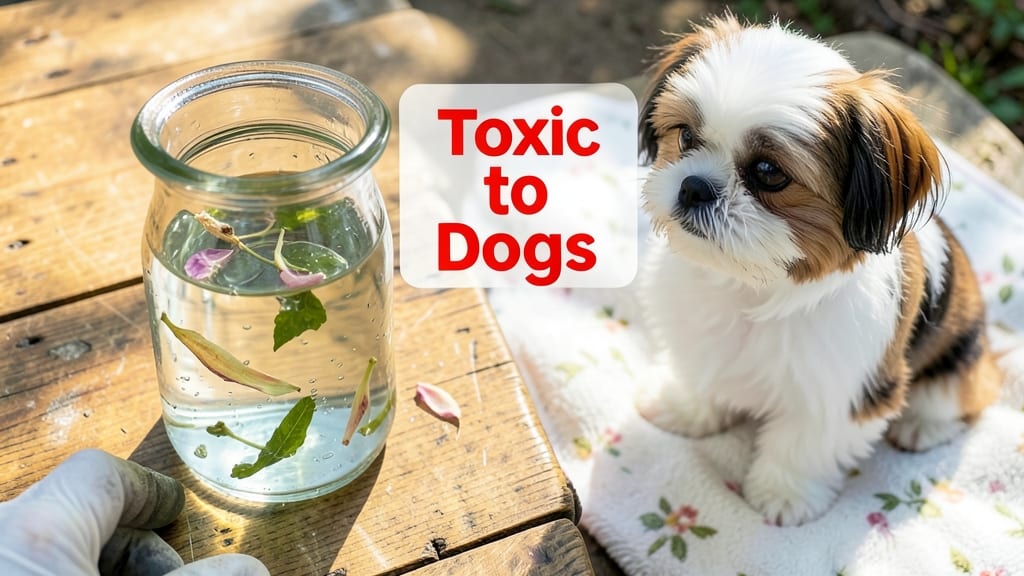
💥 Quick Answer Garden mums (chrysanthemums) are toxic to dogs because they contain pyrethrins and sesquiterpene lactones, which trigger vomiting, diarrhea, and drooling. Consuming leaves or stems can also cause weakness…
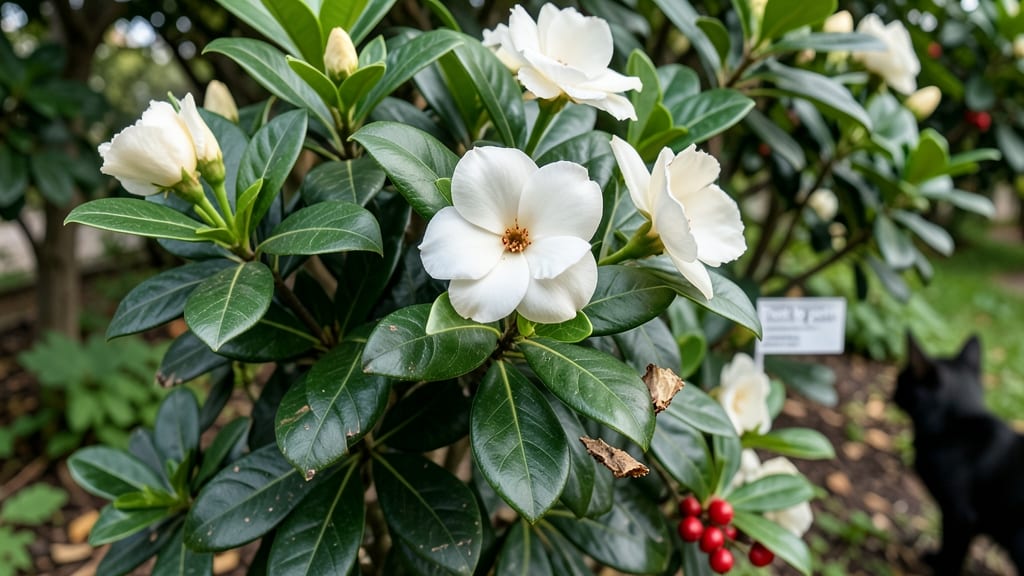
💥 Quick Answer Gardenias are toxic to pets because they contain harmful compounds like saponins and glycosides, which can trigger severe symptoms including vomiting, diarrhea, and excessive drooling if ingested. Always…
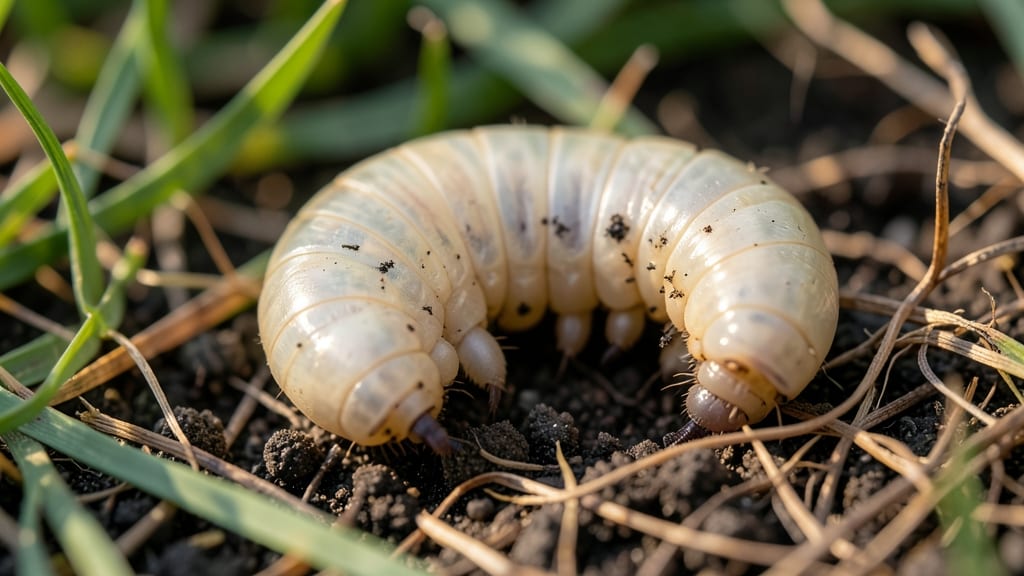
💥 Quick Answer Grubs are bad for your garden because they devour plant roots, leading to wilting, yellowing foliage, and plant death as beetle larvae chew through root systems like Japanese beetle and June bug grubs…
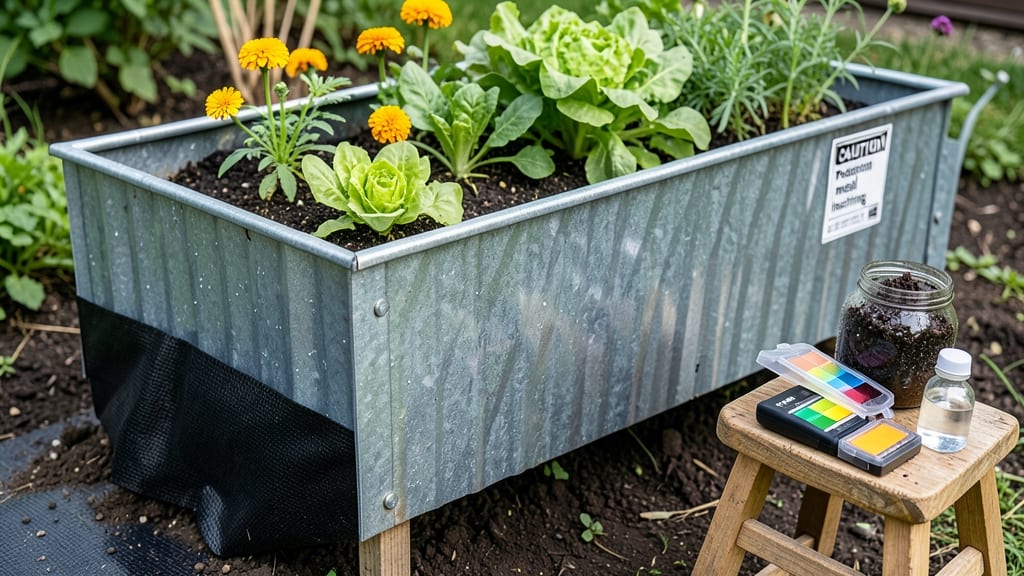
💥 Quick Answer Metal raised garden beds can be safe when made from food-grade materials like galvanized steel or stainless steel, but low-quality metals or improper coatings may release harmful chemicals into your soil…
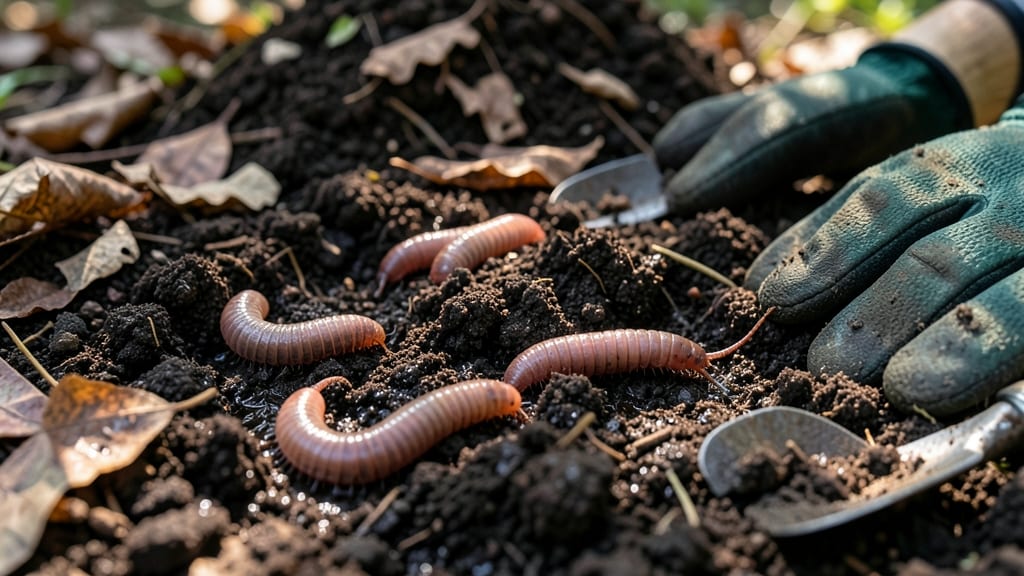
💥 Quick Answer These night crawlers are good for gardens because they aerate soil, break down organic matter into nutrient-rich castings, and improve drainage while attracting other beneficial worms and microbes. Night…
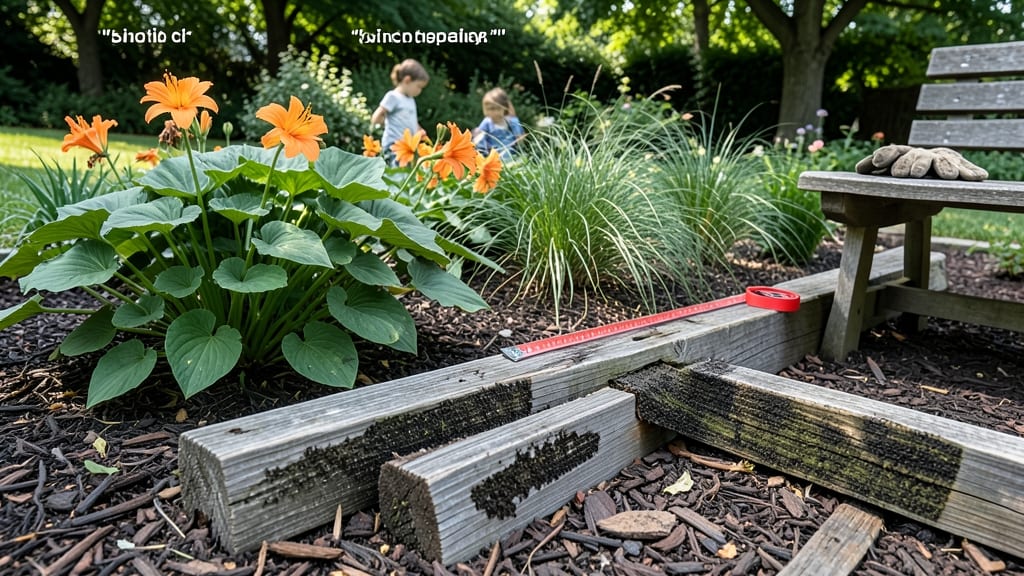
💥 Quick Answer Railroad ties are not safe for gardens because they contain creosote and pentachlorophenol (PCP) chemicals that leach into soil, poisoning plants, pets, and humans over time. Choose untreated wood…