I still remember the thrill of watching my first tomato plant sprout from a seed I planted in a tin can. My grandfather taught me that gardening isn’t just about growing plants—it’s about patience, curiosity, and a little bit of magic. This site is where I share the lessons I’ve learned over the years, from the joy of a well-tended garden to the quiet satisfaction of turning seeds into something beautiful. Here, you’ll find practical tips, heartfelt stories, and a space to celebrate the simple pleasures of working with the earth.
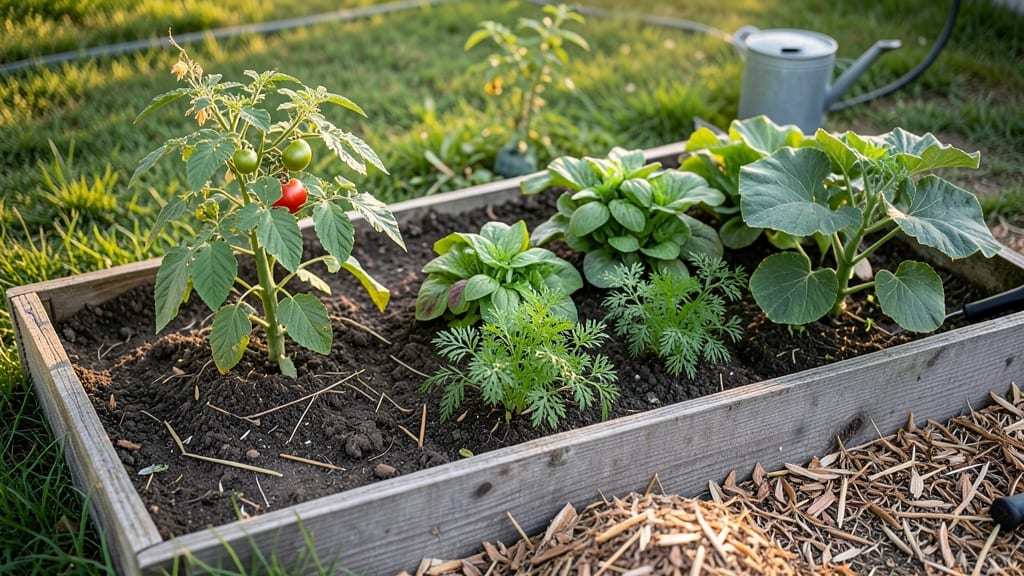
💥 Quick Answer You should put mulch in your vegetable garden to boost moisture retention, block weeds, and stabilize soil temperatures—but use thin layers (2-4 inches) to prevent suffocating roots or attracting pests…
💥 Quick Answer The importance of garden lies in its power to enhance mental well-being and productivity by creating spaces that reduce stress, elevate mood, and sharpen focus through hands-on engagement with nature…
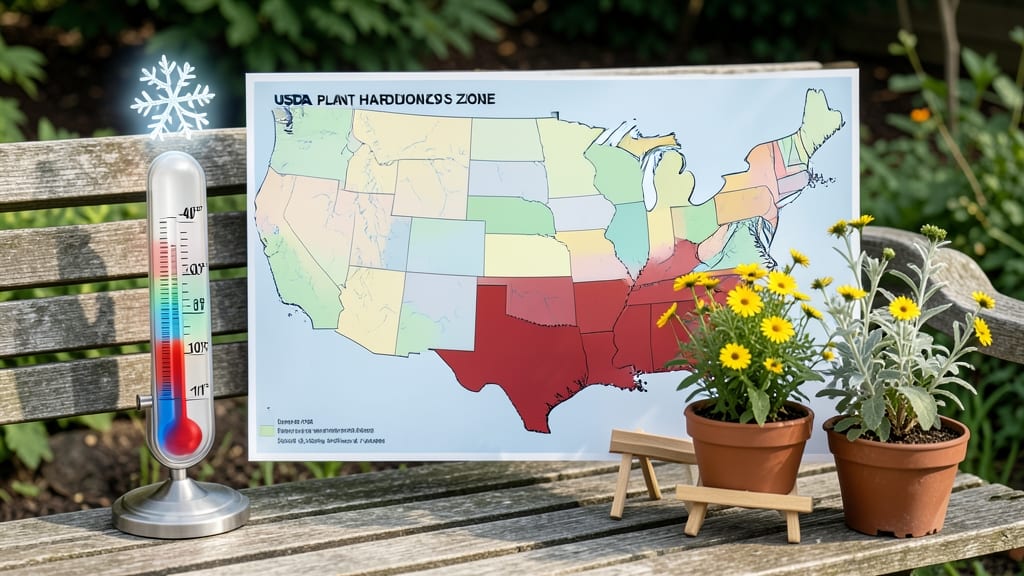
💥 Quick Answer USA garden zones classify planting regions by average annual minimum temperatures, helping you choose plants that thrive in your local climate. With 13 zones—from Zone 1 (coldest) to Zone 13 (warmest)—and…
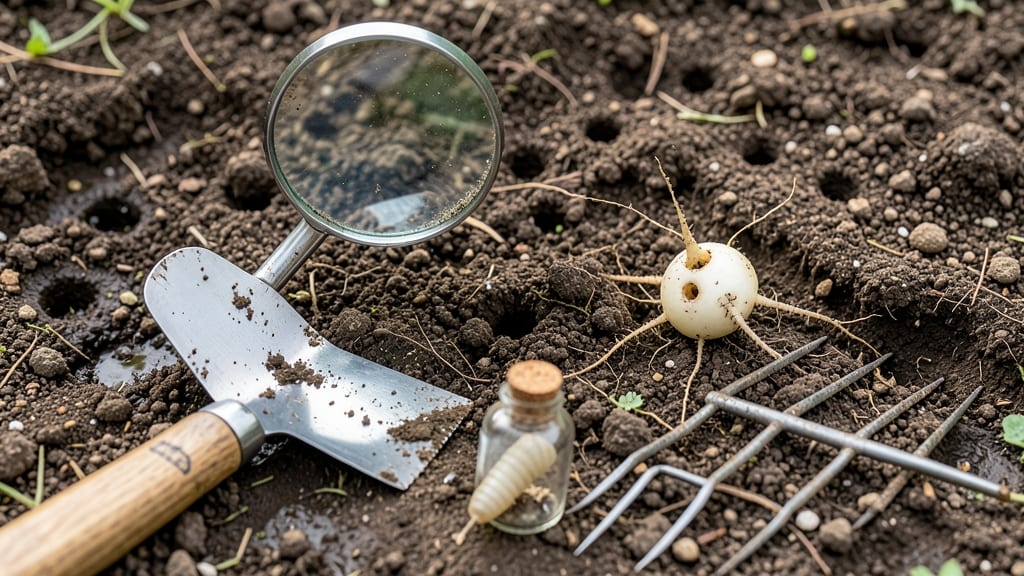
💥 Quick Answer Small holes in garden soil typically indicate underlying issues like insect larvae, fungal networks, or root decay that can harm plants by compromising root systems or disrupting soil structure. Always…
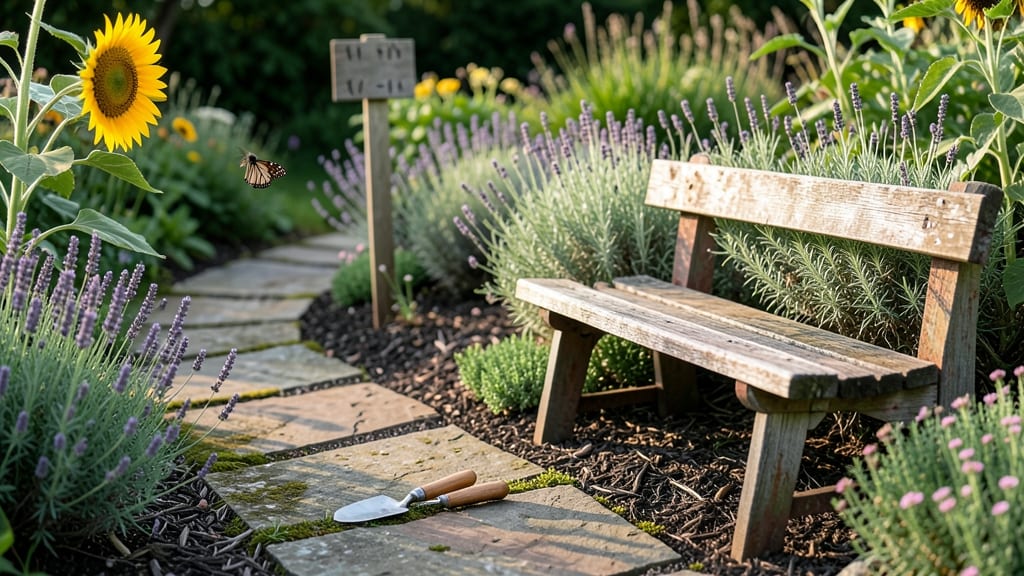
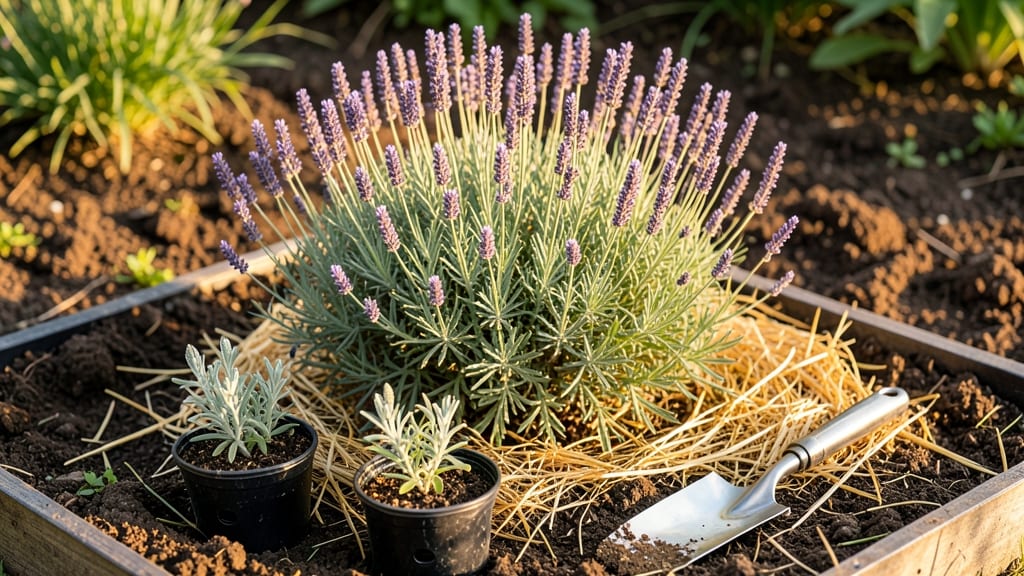
💥 Quick Answer To plant lavender in a vegetable garden, choose the sunniest corner possible, use sandy or gravelly soil with excellent drainage, and space plants 18-24 inches apart. Keep them away from water sources and…
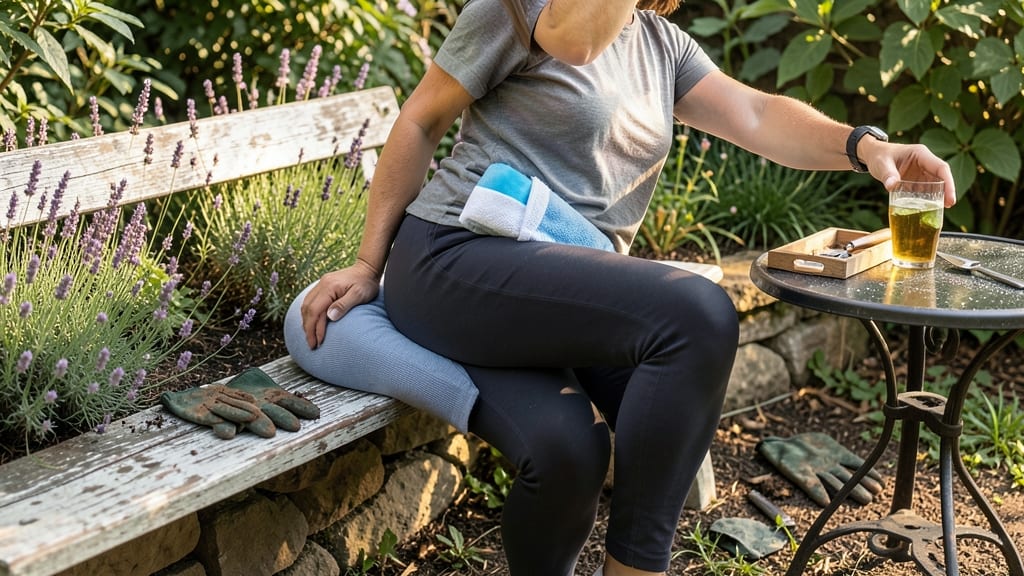
💥 Quick Answer Treating lower back pain after gardening begins with gentle movement like the cat-cow stretch to mobilize stiff joints, followed by targeted heat therapy to ease muscle tightness. Skip heavy lifting or…
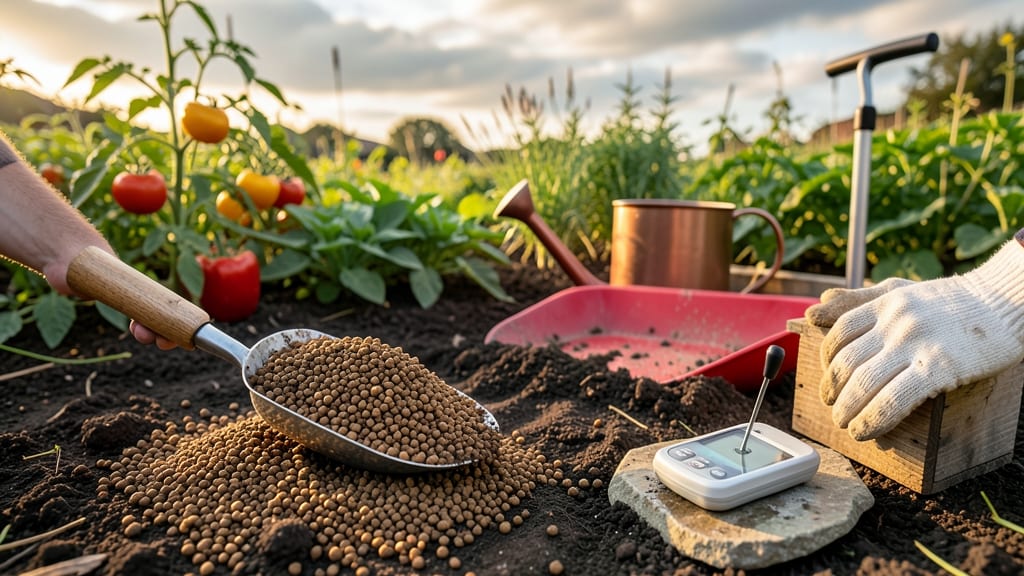
💥 Quick Answer Reviews of garden fertilizers consistently rank Espoma Organic Garden Food as the best option for quickly revitalizing soil, thanks to its nutrient balance and microbial boost that restore depleted garden…
💥 Quick Answer North Carolina's gardening zones range from USDA zone 5b in the mountains to 8b along the coast, creating dramatic differences in frost timing and planting windows. Coastal areas like Wilmington typically…
💥 Quick Answer Your vegetable garden needs morning sun for most crops, as cooler, gentler light prevents stress and wilting, while afternoon sun works best for heat-loving plants like tomatoes and peppers. Leafy greens…