I still remember the thrill of watching my first tomato plant sprout from a seed I planted in a tin can. My grandfather taught me that gardening isn’t just about growing plants—it’s about patience, curiosity, and a little bit of magic. This site is where I share the lessons I’ve learned over the years, from the joy of a well-tended garden to the quiet satisfaction of turning seeds into something beautiful. Here, you’ll find practical tips, heartfelt stories, and a space to celebrate the simple pleasures of working with the earth.
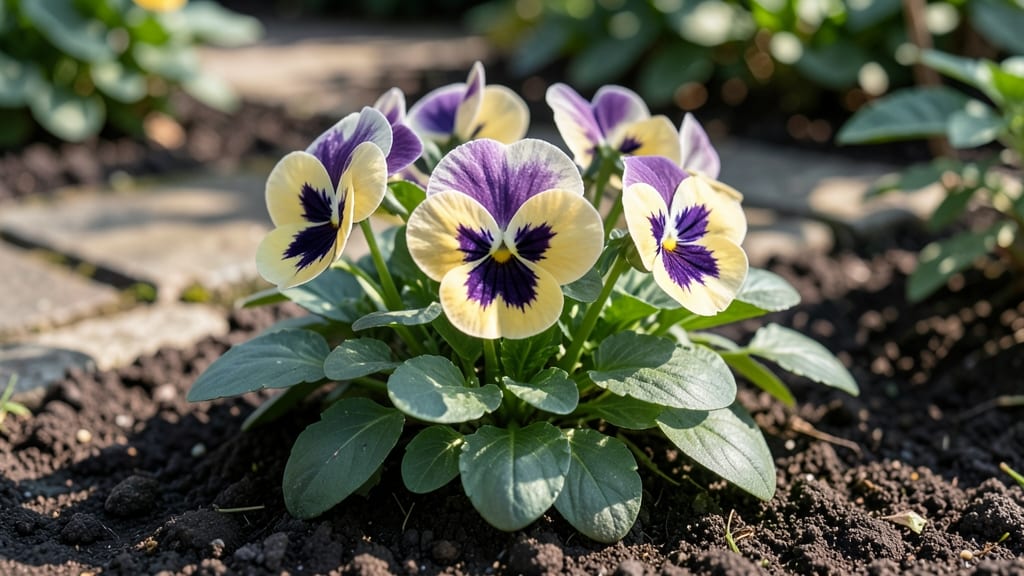
💥 Quick Answer Good little garden plants are perfect for small spaces, including compact herbs like thyme and oregano, dwarf vegetables such as cherry tomatoes and bush beans, and ornamental varieties like miniature…
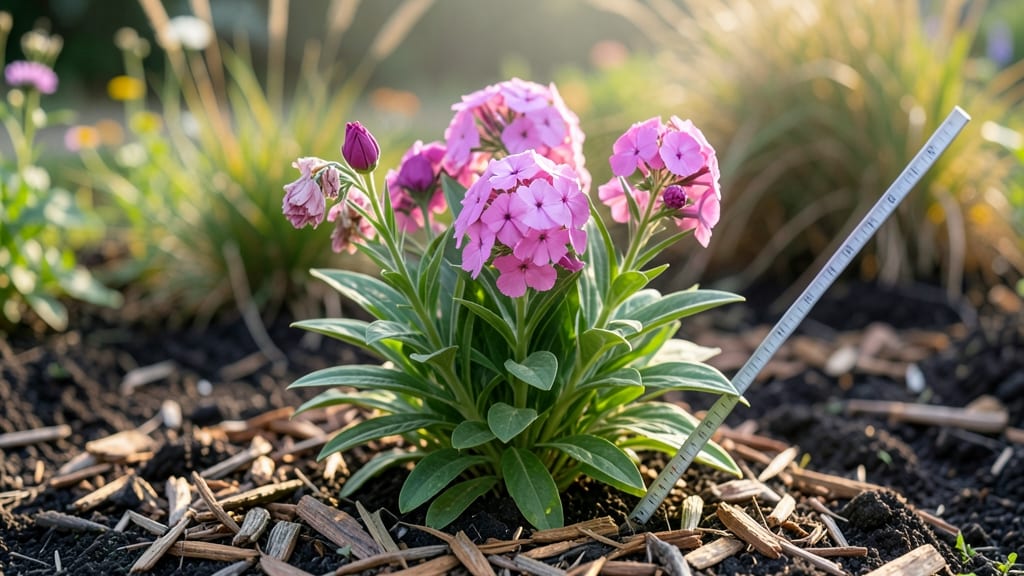
💥 Quick Answer Garden phlox spreads gradually through underground rhizomes, expanding about 1–2 feet per year when conditions are ideal. Clumping types grow more slowly, while creeping varieties spread wider if not…
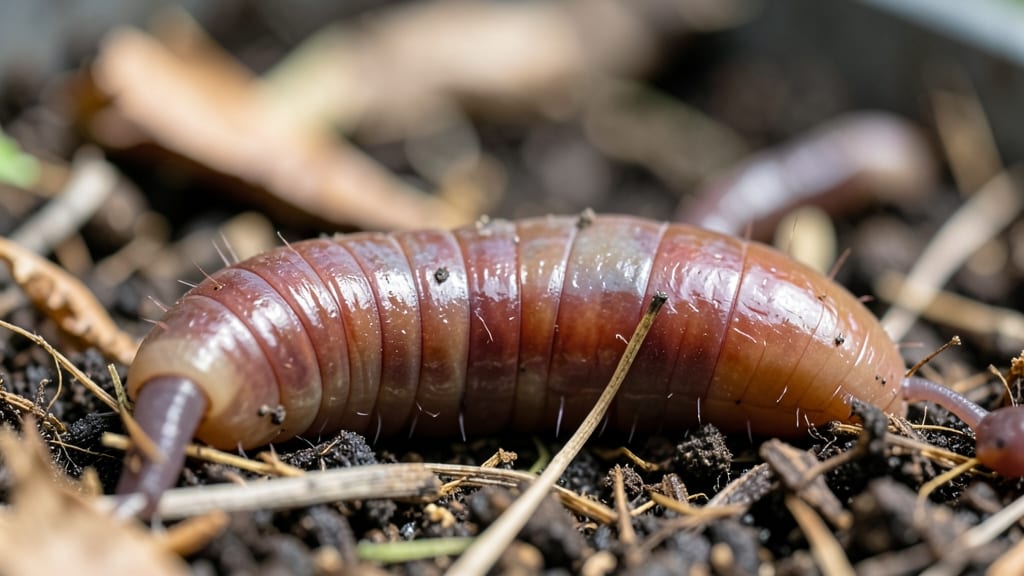
💥 Quick Answer Putting worms in your raised garden bed can significantly enhance soil fertility, as they decompose organic matter, improve aeration, and create nutrient-rich castings—but you must carefully select…
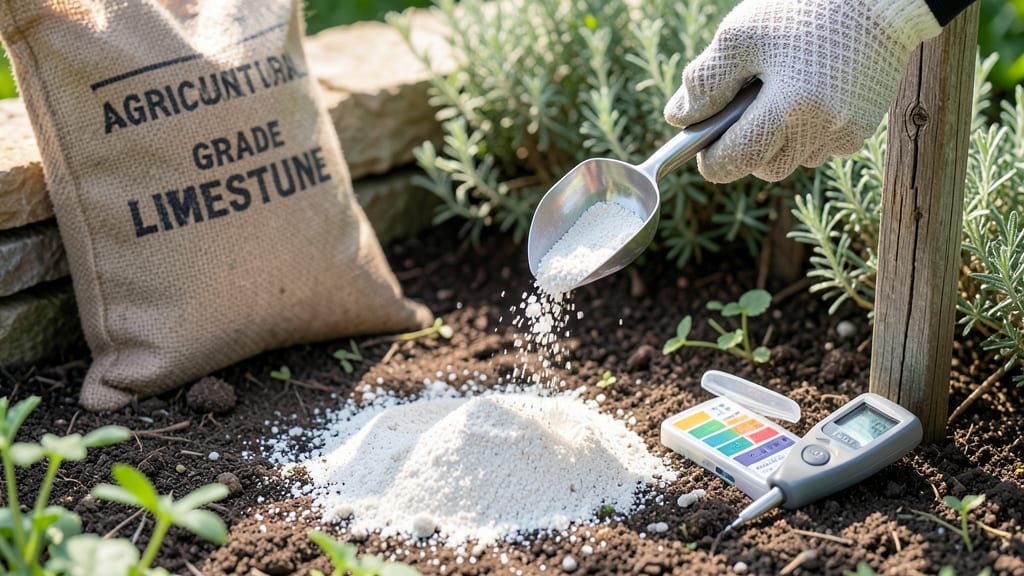
💥 Quick Answer Using calcium carbonate in gardening helps balance soil pH for acid-sensitive plants like blueberries or azaleas. Spread 1-2 pounds per 100 square feet into the top 6 inches of soil for gradual pH…
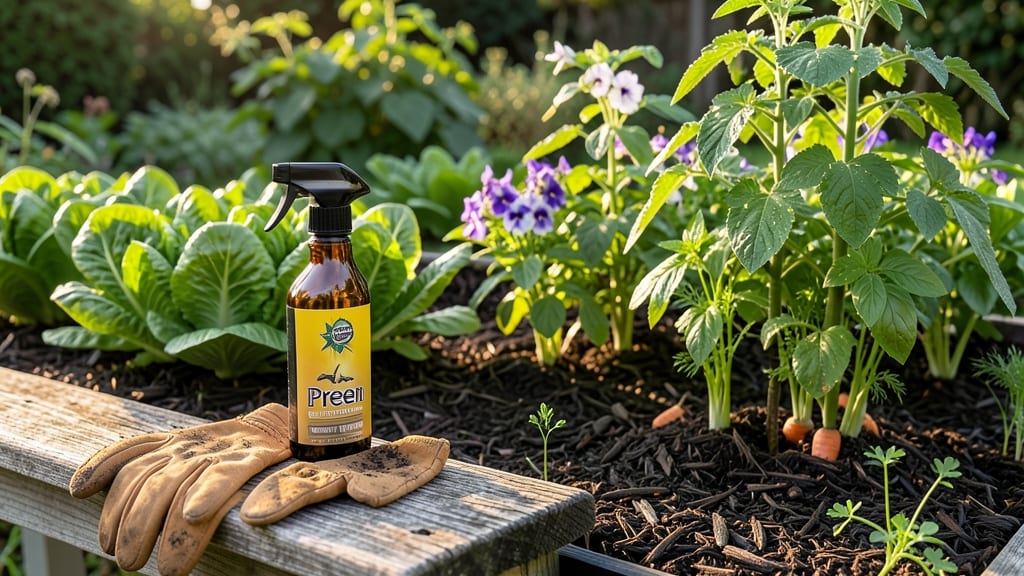
💥 Quick Answer Yes, Preen can be used in a vegetable garden but requires careful application to avoid harming edible plants. Apply only to mature plants, never on leaves, fruits, or roots, and focus on weed suppression…
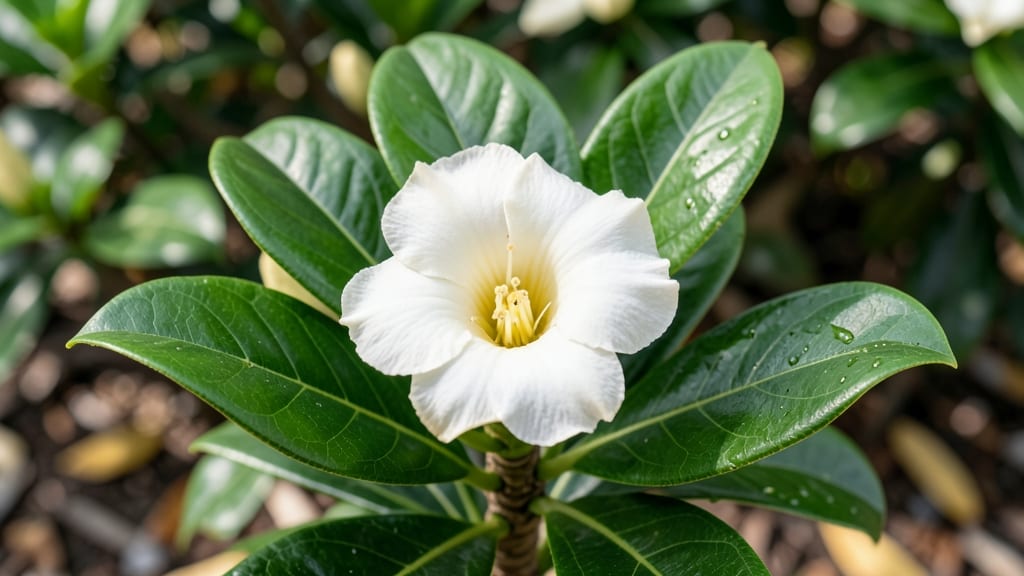
💥 Quick Answer Gardenia plants are naturally deer-resistant thanks to their glossy leaves and intense fragrance, though hungry deer may still nibble when food is scarce. For complete protection, try deer-repellent…
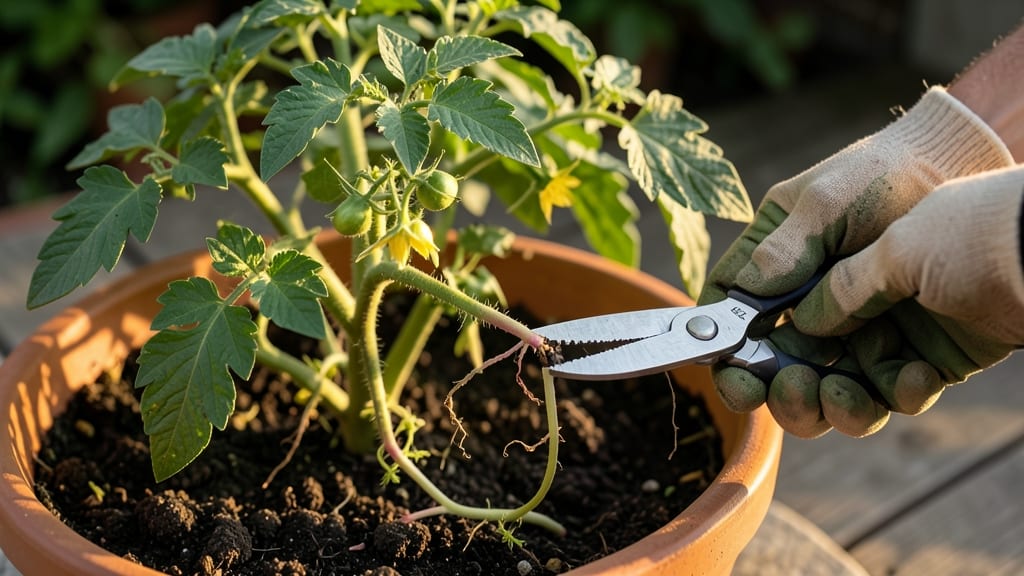
💥 Quick Answer Thinning in gardening means removing excess seedlings to give remaining plants more space, nutrients, and sunlight, which prevents overcrowding and promotes stronger, healthier growth for your crops…
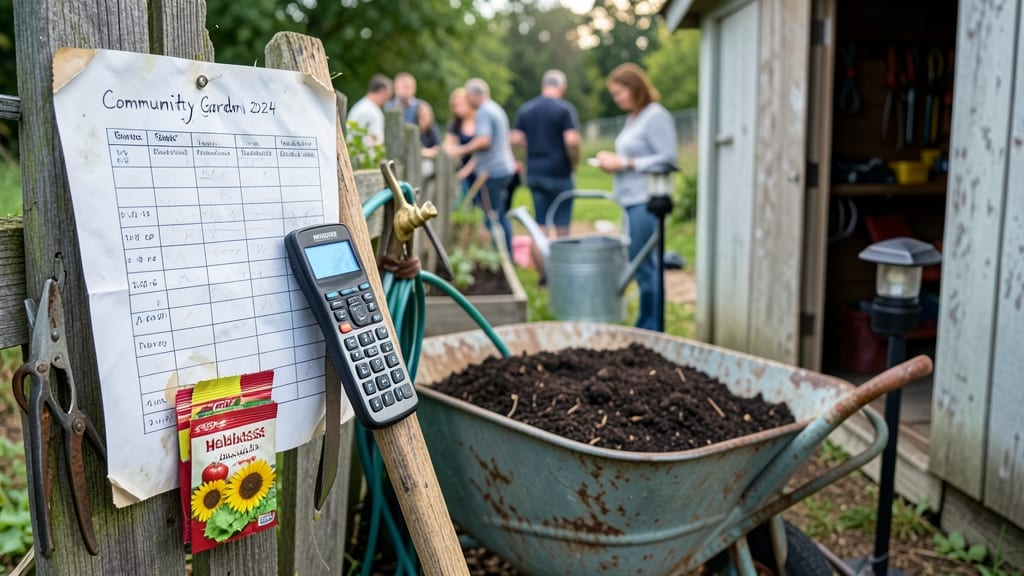
💥 Quick Answer For a community garden startup budget and operating costs feasibility study, initial investments typically span $5,000–$50,000+ based on scale and location, with annual upkeep averaging $3,000–$20,000 for…
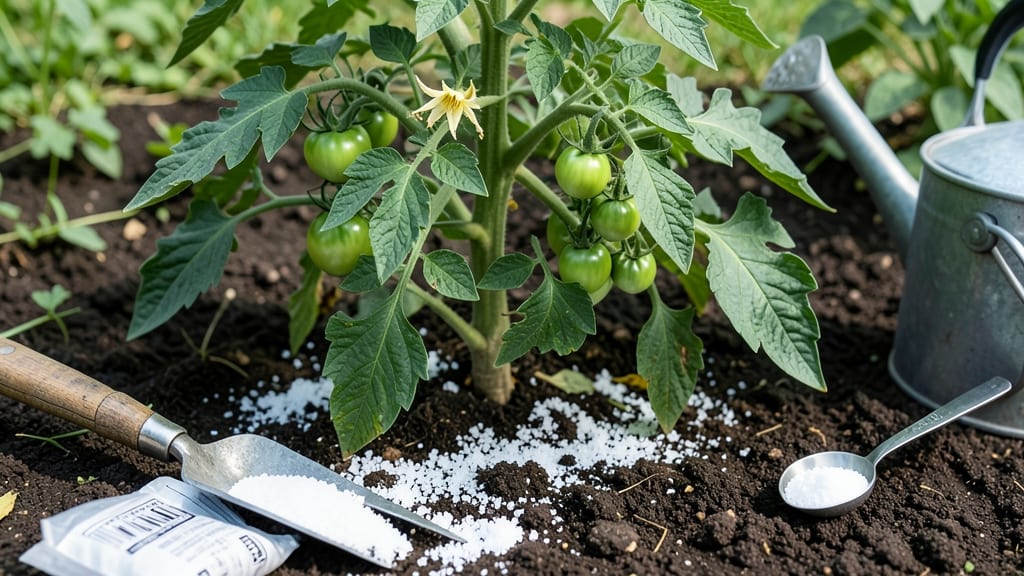
💥 Quick Answer Epsom salt for garden soil boosts magnesium and sulfur levels, helping plants develop stronger roots, deeper green foliage, and resistance to yellowing in nutrient-deficient crops like tomatoes and…