I still remember the thrill of watching my first tomato plant sprout from a seed I planted in a tin can. My grandfather taught me that gardening isn’t just about growing plants—it’s about patience, curiosity, and a little bit of magic. This site is where I share the lessons I’ve learned over the years, from the joy of a well-tended garden to the quiet satisfaction of turning seeds into something beautiful. Here, you’ll find practical tips, heartfelt stories, and a space to celebrate the simple pleasures of working with the earth.
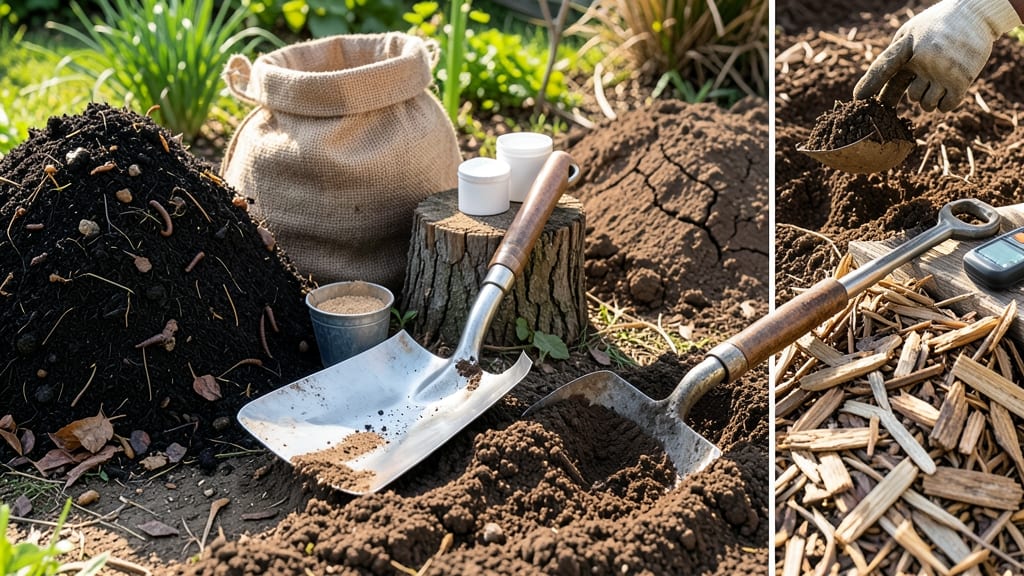
💥 Quick Answer To improve clay garden soil, add organic amendments like compost, aged manure, or leaf mold to break up compaction and enhance nutrient retention. For better drainage, incorporate coarse sand or perlite…
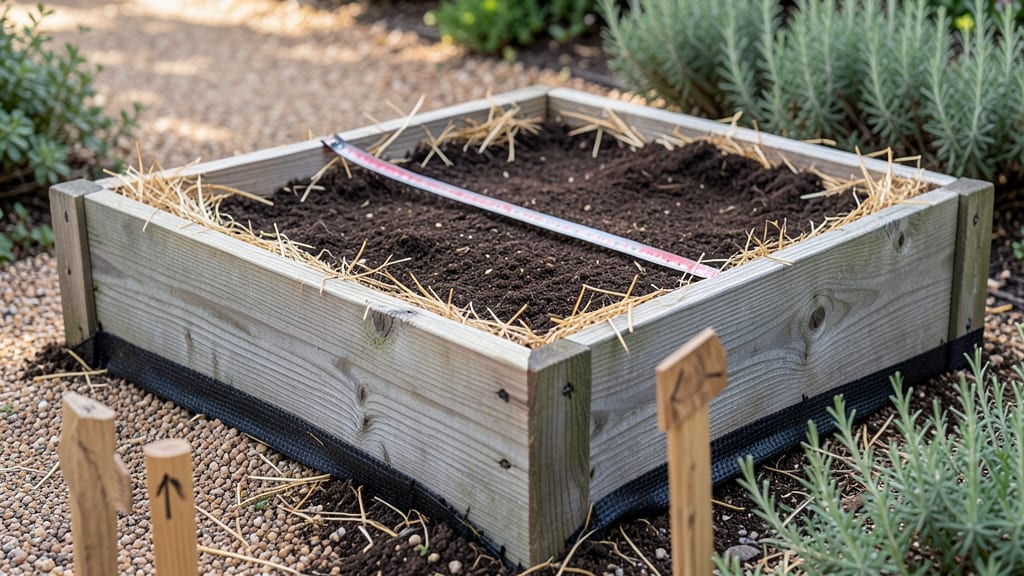
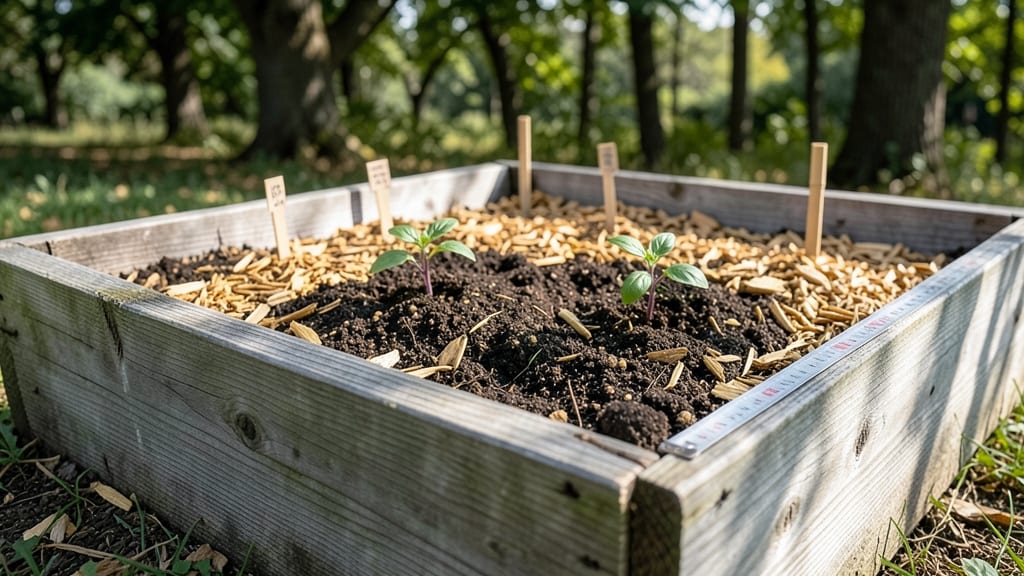
💥 Quick Answer Typical raised garden bed sizes are most commonly 4’ x 8’ , but standard options range from 3’ x 6’ to 4’ x 12’ , with a recommended depth of 6–12 inches for optimal plant growth. These dimensions aren't…
💥 Quick Answer The most effective standard raised garden bed size is 4 feet wide by 8 to 12 feet long, with a depth of 6 to 12 inches, designed to maximize plant health, accessibility, and soil efficiency. These…
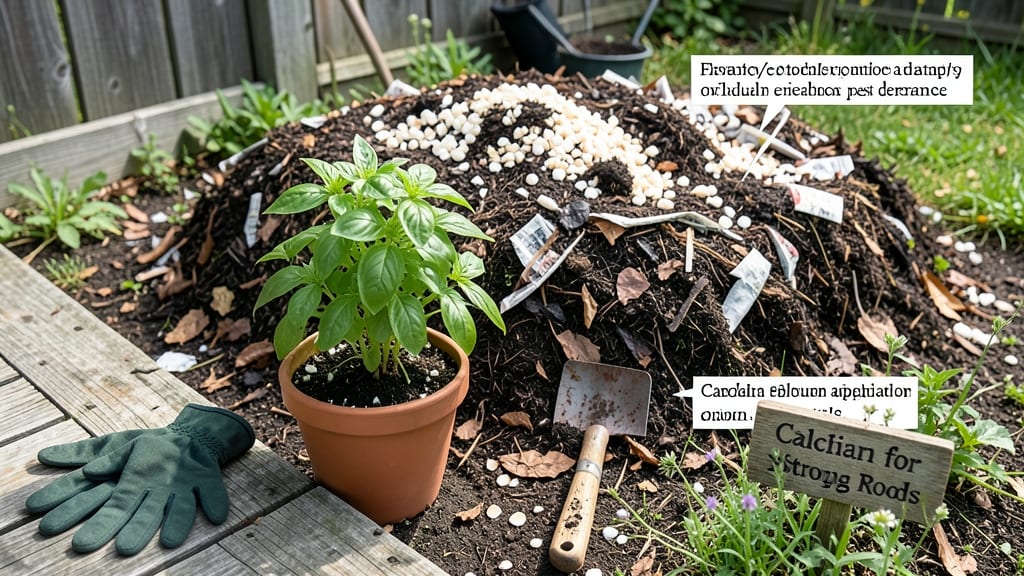
💥 Quick Answer Using eggshells in the garden provides calcium-rich fertilizer that strengthens plant cell walls, deters pests like slugs, and adds texture to compost. Crush them into small pieces before applying to soil…
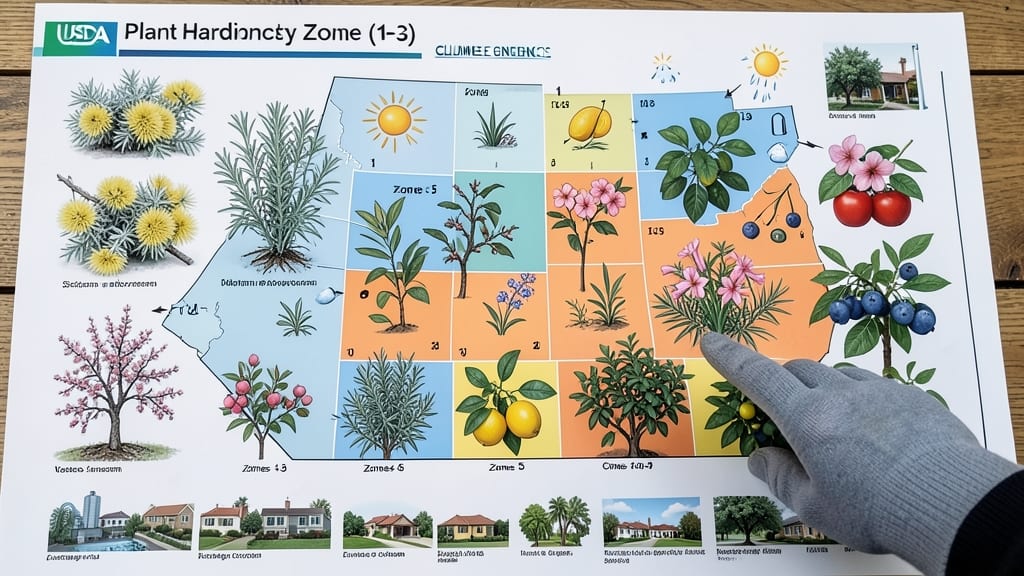
💥 Quick Answer Understanding climate zones in gardening helps you grow plants that match your region's temperature ranges, frost patterns, and seasonal shifts. These zones—like USDA Hardiness Zones and Köppen…
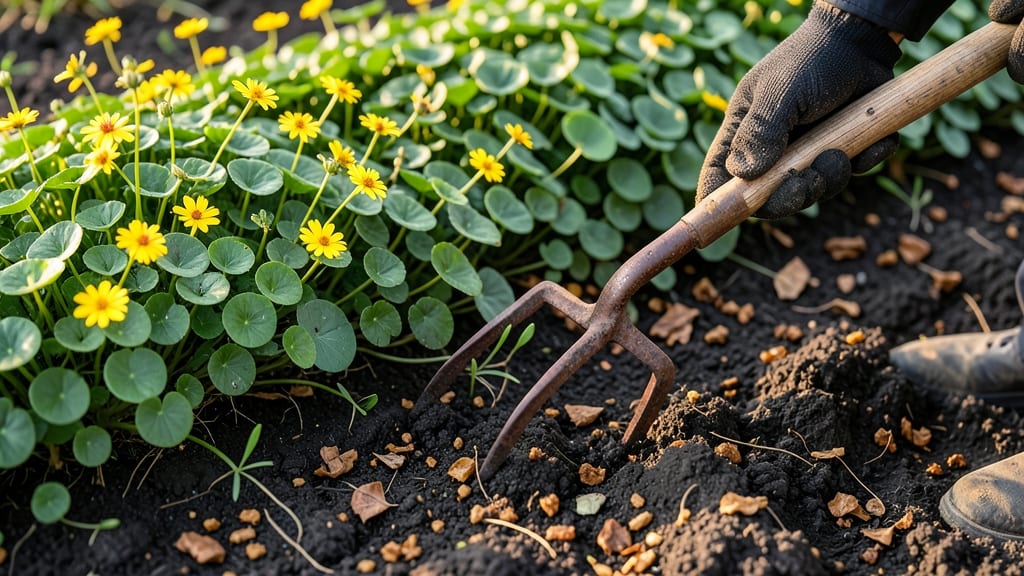
💥 Quick Answer Till the garden meaning involves loosening soil to break up compacted earth, eliminate weeds, and mix in compost or organic material—creating ideal conditions for planting by improving water absorption…
💥 Quick Answer Gardenias' mosquito repellent properties come from their potent floral aroma, packed with natural compounds like geraniol and linalool that confuse mosquitoes' scent-detection systems. These chemicals…
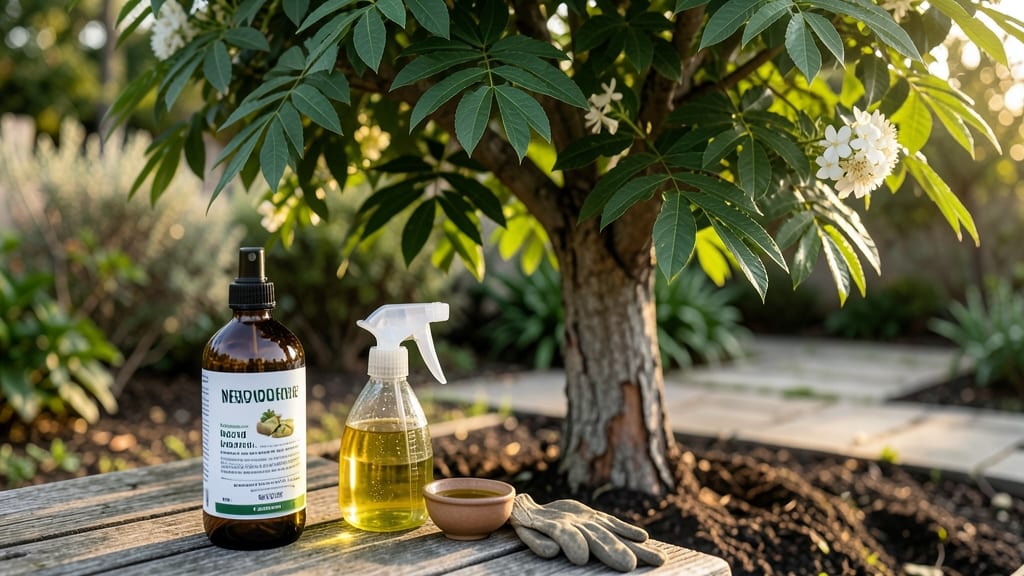
💥 Quick Answer Neem oil in organic gardening serves as a versatile natural solution for pest control and soil health, harnessing compounds from the Azadirachta indica tree. This powerhouse oil disrupts insect life…
💥 Quick Answer Watering gardens in the morning is generally better than evening because cooler temperatures reduce evaporation, allowing roots to absorb moisture efficiently while minimizing fungal risks from prolonged…
💥 Quick Answer Standard garden bed sizes are designed to be 4 feet wide, 8 to 12 feet long, and 6 to 12 inches deep, creating the perfect balance between accessibility, soil health, and efficient planting space. These…