I still remember the thrill of watching my first tomato plant sprout from a seed I planted in a tin can. My grandfather taught me that gardening isn’t just about growing plants—it’s about patience, curiosity, and a little bit of magic. This site is where I share the lessons I’ve learned over the years, from the joy of a well-tended garden to the quiet satisfaction of turning seeds into something beautiful. Here, you’ll find practical tips, heartfelt stories, and a space to celebrate the simple pleasures of working with the earth.
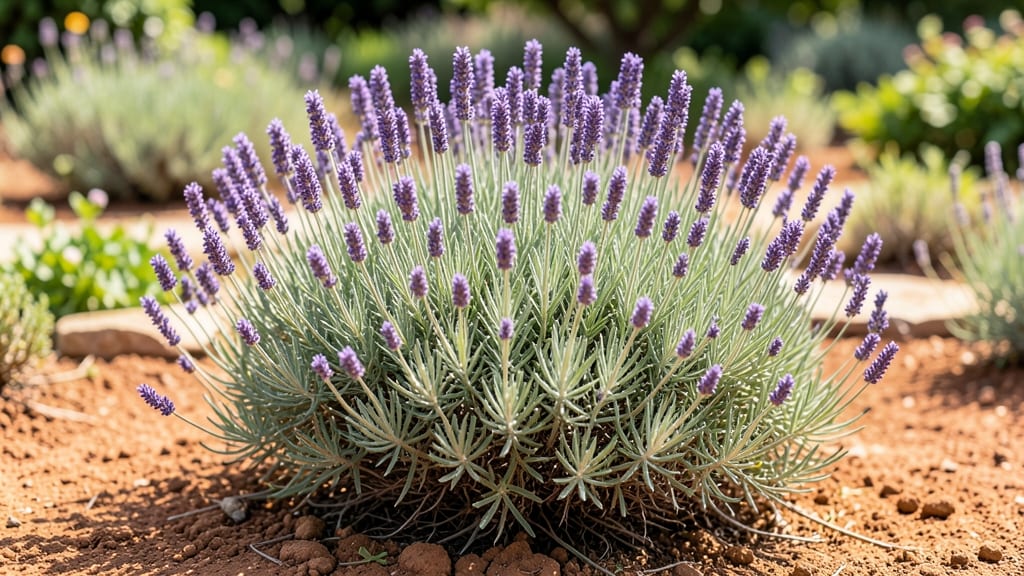
💥 Quick Answer Lavender plants provide garden benefits like natural pest control, enriched soil conditions, and fragrant blooms that draw in pollinators while creating a serene atmosphere. Their ability to thrive in dry…
💥 Quick Answer The largest botanical garden in the US is the New York Botanical Garden (NYBG) in the Bronx, spanning 250 acres with over 1 million living plants across 50 specialized gardens, including rare orchids…
💥 Quick Answer Victory gardens during WW2 turned vacant urban spaces and family backyards into vital food sources, producing roughly 40% of America's vegetables while easing wartime food shortages and lifting community…
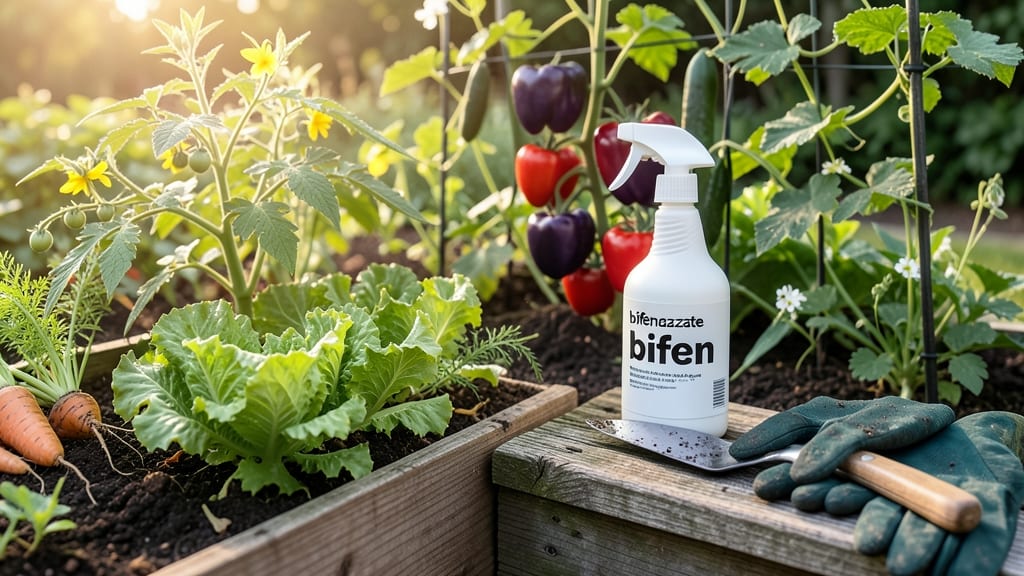
💥 Quick Answer Bifen (bifenthrin) is not safe for vegetable gardens because it leaves neurotoxic residues that can contaminate edible crops and harm pollinators like bees and butterflies. This synthetic pesticide is…
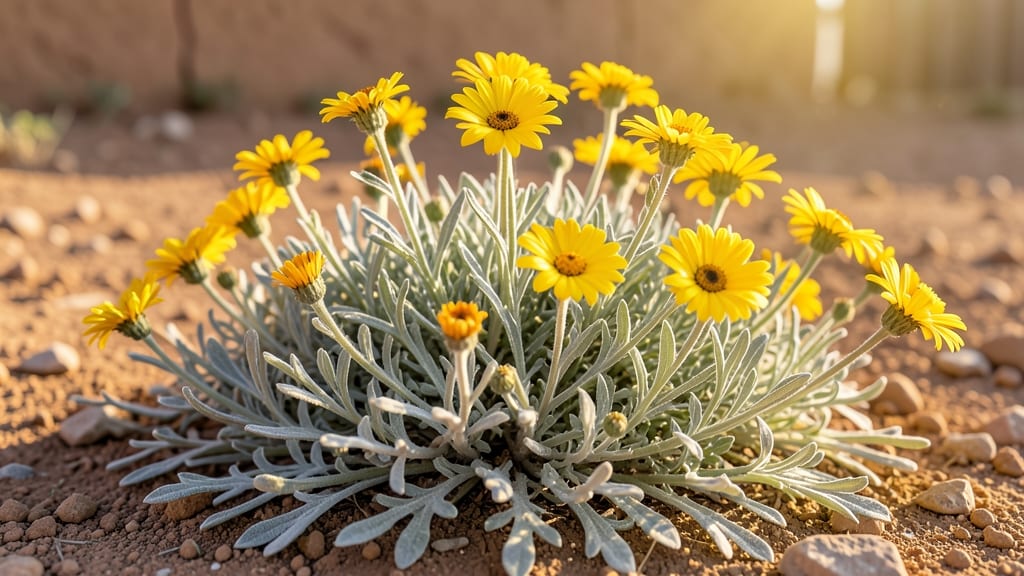
💥 Quick Answer A Sunset Western Garden thrives with heat-resistant plants like California buckwheat, Cleveland sage, and deer grass, which require minimal water and tolerate intense sun exposure while supporting local…
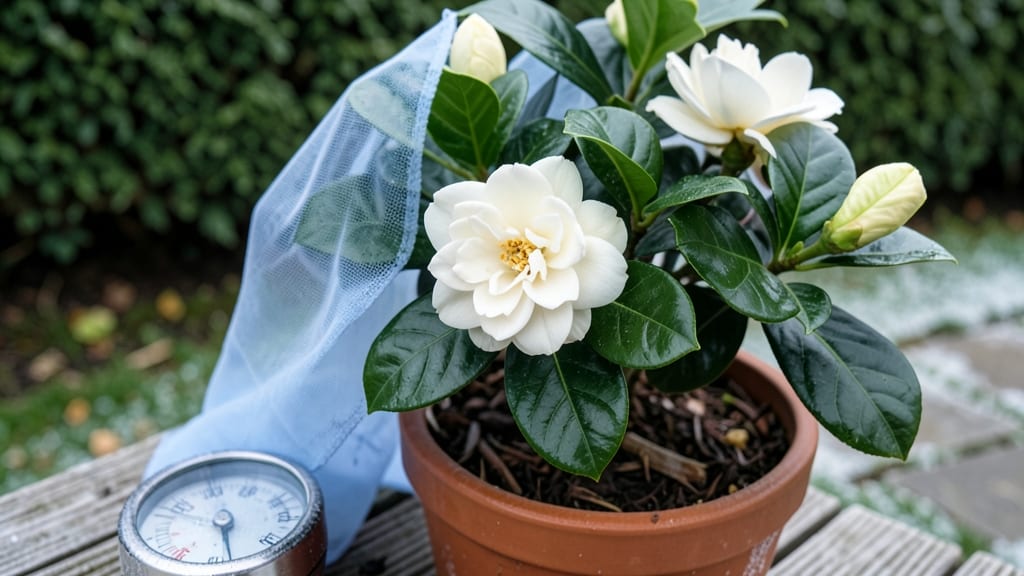
💥 Quick Answer The August Beauty gardenia's cold tolerance allows it to survive brief dips to 28°F (-2°C) in USDA zones 9-11, but sustained temperatures below 32°F (0°C) can cause leaf burn or force dormancy. Proper…
💥 Quick Answer To spell 'garden', write it as G-A-R-D-E-N with a hard 'G' sound (like 'garden'), not 'jarden'. The word traces back to Old English gard , meaning an enclosed plant-growing space. This spelling reflects…
💥 Quick Answer Gardening is good exercise because it burns 200–400 calories per hour, depending on intensity, while engaging core, leg, and arm muscles through bending, lifting, and reaching. It’s a low-impact activity…
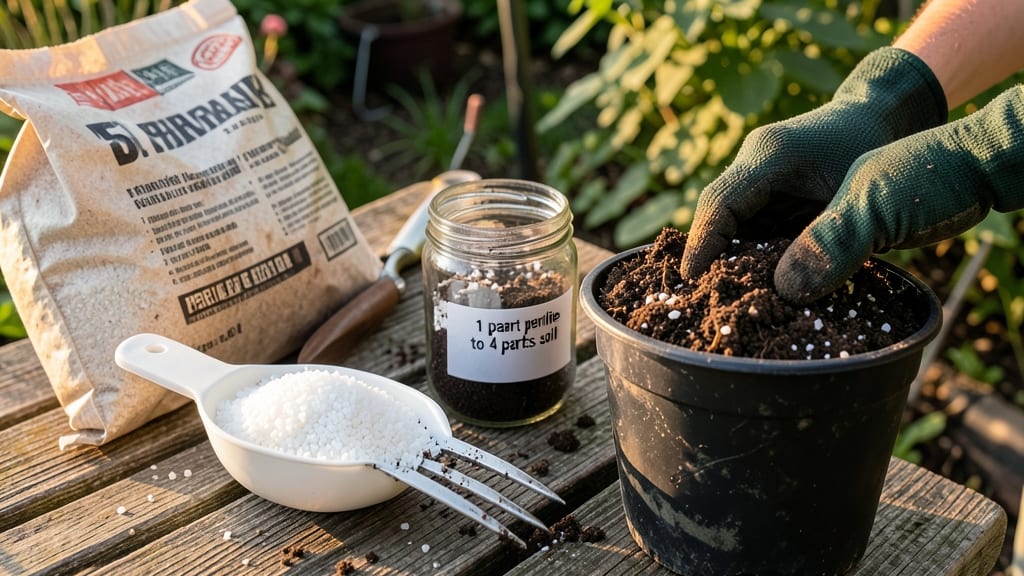
💥 Quick Answer To determine how much perlite to add to garden soil, start with a 1:3 perlite-to-soil ratio for most plants. Adjust to 1:2 for sandy soil and 1:4 or 1:5 for heavy clay to optimize drainage without drying…
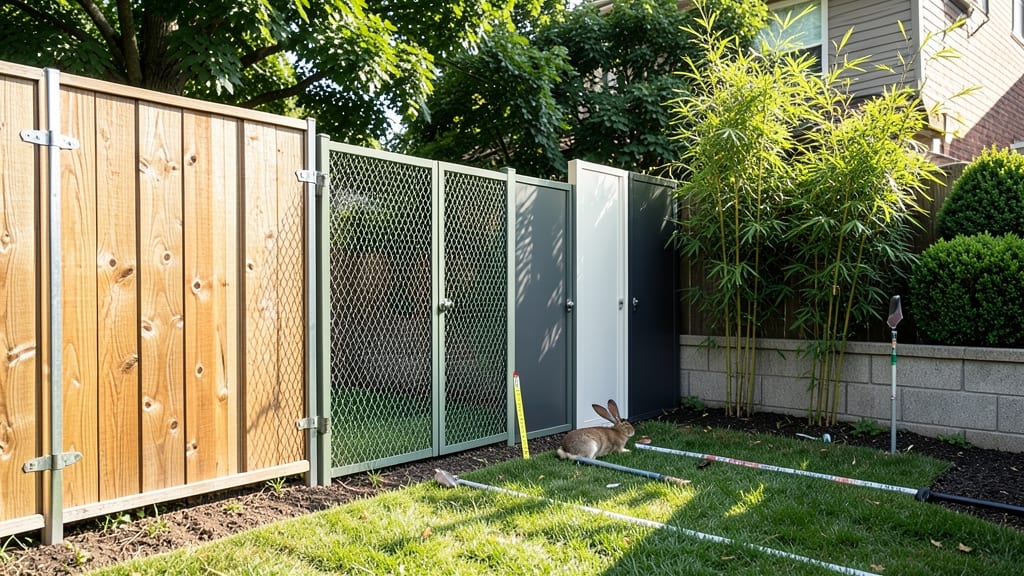
💥 Quick Answer Determining how high a garden fence should be depends on balancing privacy needs with local regulations, as most areas enforce height restrictions between 4 to 6 feet to maintain neighborhood harmony and…